

Perseverance amid adversity: A Syrian family’s story on World Refugee Day
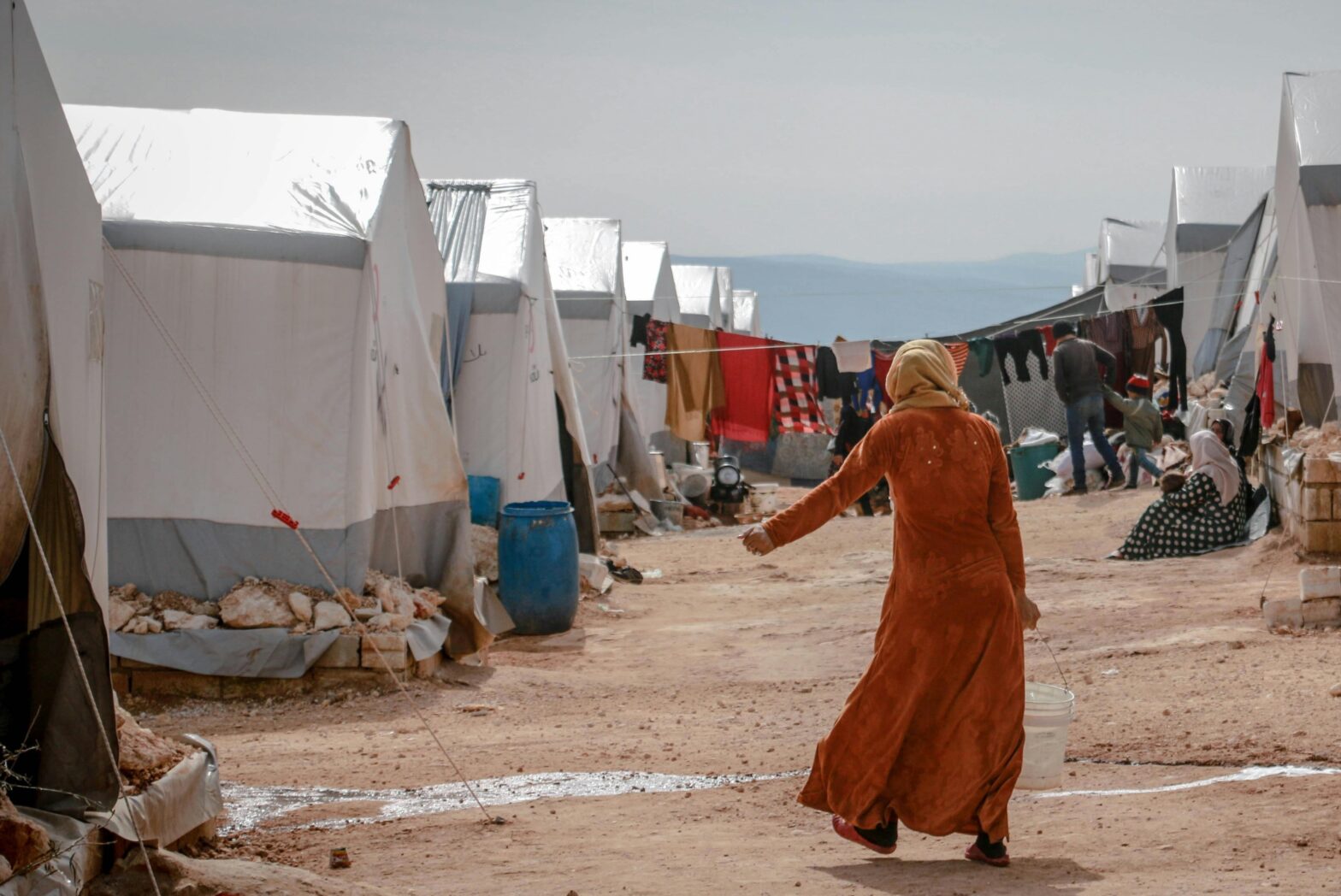
In the face of war and displacement, Syrian refugees have shown remarkable resilience. This World Refugee Day, we share the story of Hana* and her family, who have navigated the challenges of displacement with strength and courage.
Leaving everything behind
Hana was once a thriving shop owner in the city of Aleppo. Her life was filled with bustling activity around running her small grocery store, which helped support her family. However, the outbreak of crisis turned her world upside down. Her shop was destroyed, and Hana’s family was forced to flee their home under the cover of night, seeking refuge in Lebanon.
“I remember the night we left,” she recalls. “We could hear the bombs in the distance. We packed what we could carry and just ran.” Hana, her husband Tarek, and their 4 children embarked on a perilous journey, eventually settling in a cramped apartment in Beirut, the Lebanese capital.
Struggling in a new land
Life in Beirut has been anything but easy. Tarek, a skilled carpenter, struggles to find work, and the family relies heavily on humanitarian aid. Hana’s days are spent caring for their children and trying to make their new home as comfortable as possible. “We lost everything, but we still have each other,” she says. “That’s what keeps us going.”
The psychological toll of displacement has been immense. Hana often finds herself overwhelmed by anxiety and fear for her children’s future. Recognising the need for support, she reached out to local aid organisations. Through Islamic Relief, Hana began attending psychological and social support sessions designed for refugees.
Finding strength in support
“The sessions were a turning point for me,” Hana explains. “I always considered myself strong, but these sessions made me even stronger.” The group therapy sessions provided a safe space for Hana to share her experiences and connect with other women facing similar challenges.
Hana formed close bonds with her fellow participants, creating a network of support that extended beyond the sessions. “We shared our stories, our fears, and our hopes. It was incredibly healing,” she says. The psychological support not only improved Hana’s mental wellbeing, but also gave her practical tools to manage her stress and anxiety.
Tarek’s journey: Rebuilding from ruins
While Hana found solace in the support sessions, Tarek struggled to adapt to their new life. The loss of his livelihood and constant worry about providing for his family weighed heavily on him. However, he found a renewed sense of purpose through a vocational training programme offered by Islamic Relief.
Tarek enrolled in a carpentry workshop, where he could hone his skills and regain his confidence. “Working with my hands again gave me hope,” he says. “It reminded me of who I am and what I’m capable of.” The training not only strengthened Tarek’s carpentry skills, but also provided him with a sense of community and support.
Building a new future
As Hana and Tarek continue to navigate their new lives in Lebanon, they remain hopeful for the future. Their children, inspired by their parents’ resilience, are adjusting well. Their eldest daughter, Lina, dreams of becoming a doctor, while their son, Ahmed, is excelling in his studies.
“I want my children to have the opportunities we never had,” Hana says. “I want them to be safe, to be educated, and to have a future full of possibilities.” With the support of Islamic Relief, Hana and Tarek are working towards rebuilding their lives and providing a better future for their children.
Islamic Relief stands in solidarity #withrefugees
Islamic Relief has been responding to forced migration crises since we began our humanitarian work in 1984, and last year alone provided lifesaving support to around 800,000 refugees.
We are at the forefront of efforts to assist families forced from their homes, including those affected by crises in Syria, Gaza and Sudan, and by devastating droughts in Somalia and Ethiopia.
As well providing lifesaving aid, Islamic Relief strives to address the root causes of displacement, and eases suffering by supporting host and displaced communities and helping communities to adapt to the changing climate.
Hana and Tarek’s story is a testament to the strength and resilience of Syrian refugees and highlights the critical need for ongoing humanitarian support to help families rebuild their lives. This World Refugee Day, let us remember the millions of displaced individuals like Hana and Tarek, and reaffirm our commitment to providing the support and resources they need to thrive.
Join us in supporting families who have been forced to leave their homes due to conflict and disaster. By donating to Islamic Relief, you can help provide essential resources and empower refugees to rebuild their lives with dignity and hope.
*Name changed to protect confidentiality
IR Malaysia, AKM Pejabat Perdana Menteri Jalin Kerjasama Membina Pemimpin Muda
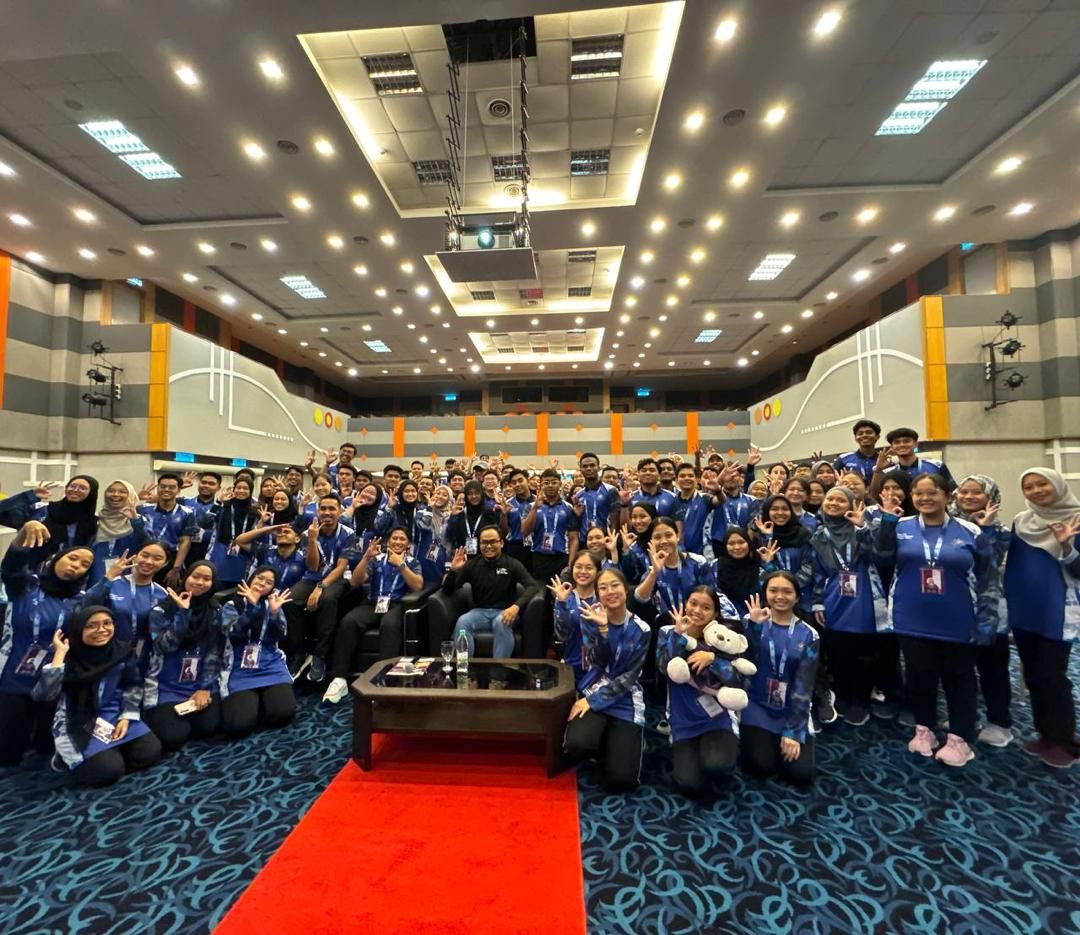
Dalam usaha untuk membina negara bangsa dalam kalangan belia berkepimpinan, Islamic Relief Malaysia (IR Malaysia) sekali lagi diberi kepercayaan untuk bekerjasama dengan Akademi Kenegaraan Malaysia (AKM), Pejabat Perdana Menteri bagi mengendalikan modul latihan Volunteer Aspiration & Social Thinking (VAST) buat kali ketiga di dalam program Malaysian Future Leaders School (MFLS) Tier 3 yang dijalankan pada Mei 2024.
Menurut Pengurus di Pejabat Ketua Pegawai Eksekutif IR Malaysia, Muhammad Haris Sharim yang juga Pengarah Projek dan Ketua Fasilitator Modul VAST, seramai 150 orang peserta MFLS Tier 3 yang terdiri daripada golongan belia dari seluruh Malaysia telah menyertai modul latihan tersebut.
“Alhamdulillah, tahun ini sekali lagi IR Malaysia terpilih untuk menyampaikan modul VAST yang menekankan aspek kesukarelawanan dalam membangun kepimpinan belia.
“Tujuan program ini diadakan adalah untuk membuka spektrum minda peserta berkenaan sektor kemanusiaan sebagai karier profesional, advokasi dan aktivisme, perkongsian situasi dan pengalaman kemanusiaan serta kesukarelawanan, memahami isu dan permasalahan yang berlaku di persekitaran dan di dalam masyarakat Malaysia serta mengajak peserta untuk berfikir tentang solusi dan usaha kolektif bagi menyelesaikan isu masyarakat.
“Peserta-peserta yang terlibat dalam program ini adalah mereka yang telah melepasi beberapa sesi saringan dan pemilihan,” katanya.
Dalam program tersebut, IR Malaysia bekerjasama rapat dengan AKM, Pejabat Perdana Menteri dan rakan-rakan NGO lain seperti Persatuan Haiwan Malaysia, Generasi Peduli Sampah (GPS) Malaysia, Hara Makers dan Toy Library Malaysia dalam membangun modul pembangunan terhadap para peserta.
“Modul ini memberi pengalaman praktikal kepada para peserta MFLS Tier 3 berkenaan komponen kemanusiaan dan kebajikan dengan membawa pelbagai spektrum isu-isu yang berlaku di sekeliling yang mampu membawa kepada krisis kemanusiaan.
“Para peserta dibimbing untuk memikirkan kaedah ataupun solusi jangka masa panjang supaya isu-isu yang berlaku dapat dikurangkan risikonya. Pemimpin muda perlu diberi pendedahan berkenaan isu yang berkaitan dengan krisis kemanusiaan dalam membangun negara dengan penuh tanggungjawab,” tambah Muhammad Haris.
Pelbagai aktiviti didedahkan kepada setiap peserta seperti program pendidikan kesedaran dan kebajikan haiwan, aktiviti pembersihan pantai dan kaedah mengaudit sampah yang diadakan di Pantai Kelanang, pemahaman terhadap teknologi dan ilmu pengurusan sisa plastik yang efektif di PJ Eco Recycling Centre dan pendedahan menjadi toy inspectors dan toy doctors yang membaiki alat permainan serta memahami falsafah hak bermain sebagai hak asasi kanak-kanak bersama Play Unlimited.
Rata-rata peserta sangat gembira dan menghargai slot kesukarelawanan yang memberi pengalaman baharu serta memberi banyak manfaat kepada mereka.
Muhammad Haris berharap semoga program sebegini dapat diteruskan pada tahun seterusnya dan pengisian yang disampaikan meninggalkan impak berpanjangan dalam usaha untuk memberi kesan positif Lestari kepada sektor kemanusiaan dan alam sekitar melalui advokasi dan aktivisme.
World Refugee Day: Horn of Africa mothers struggle amid crisis
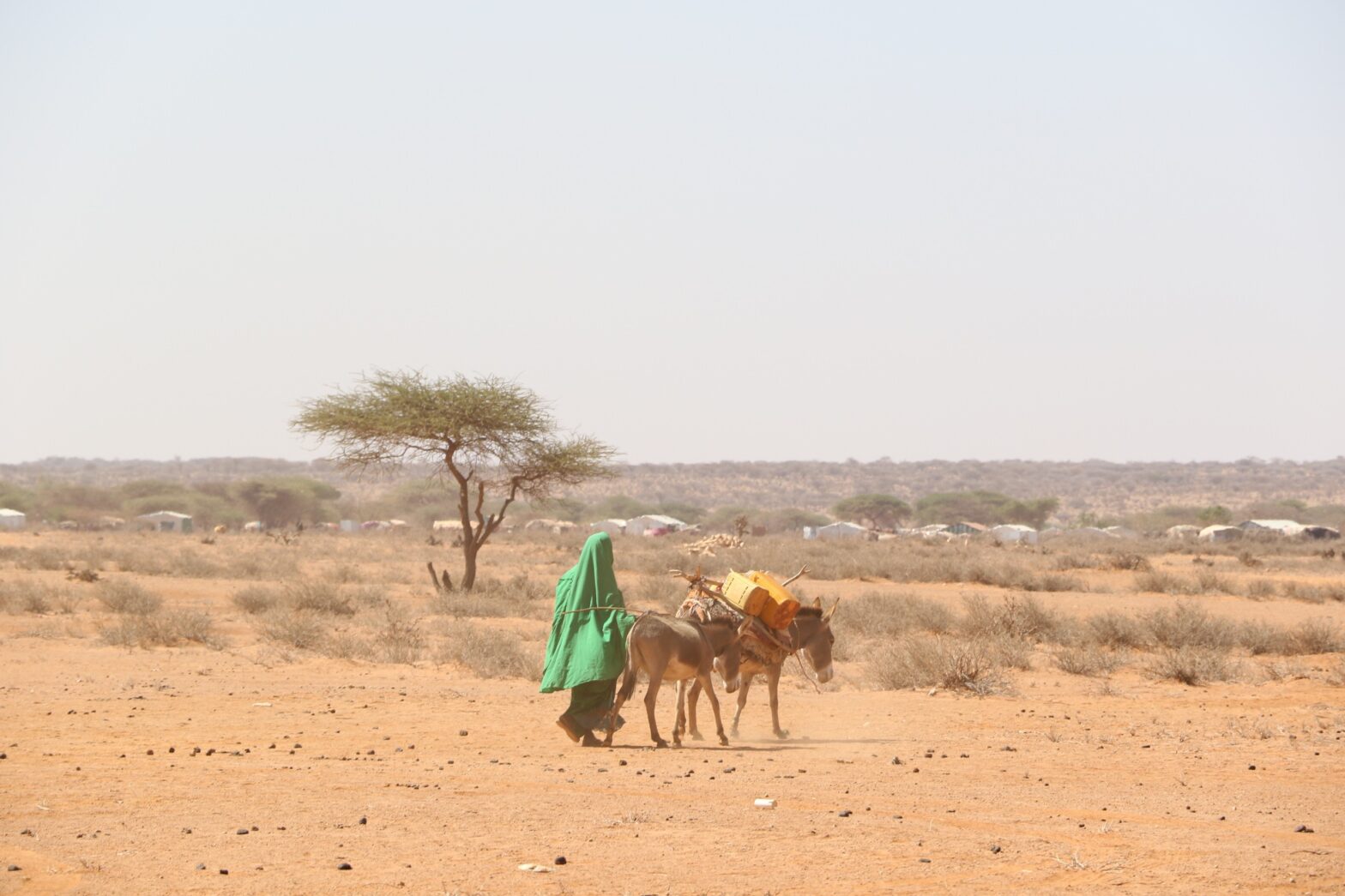
World Refugee Day: Horn of Africa mothers struggle amid crisis
In the Horn of Africa, the confluence of natural disasters and conflict has forced millions from their homes. As Islamic Relief marks World Refugee Day, we turn our attention to the enduring spirit of those who have been displaced. These are the stories of Amina and Sacdiya, 2 mothers whose lives have been upended by relentless droughts and violent unrest. Despite these challenges, they continue to strive for a better future for their children.
The crisis unfolds
The Horn of Africa is experiencing its worst humanitarian crisis in decades. 3 years of drought decimated crops and livestock, only for unexpected floods to wash away the little that remained. According to the World Health Organization, over 50 million people in the region are facing acute food insecurity. Among them, the most vulnerable are children under 5, with mothers like Amina and Sacdiya doing everything possible to keep their families nourished and safe.
Amina: Fleeing from flames
Amina lived a peaceful life in the once-flourishing village of Kaaro in Somalia. Her days were filled with tending to her small farm where she grew vegetables and raised chickens. However, the onset of severe drought turned her fertile land into a barren desert. Without rain, her crops failed, and her chickens perished. The situation grew worse still when conflict erupted in her region, forcing her to flee with her family.
“We had to run from our home because the fighting was so close,” Amina recalls. “I could hear gunshots and see smoke rising from nearby villages. It was terrifying.” She gathered her 3 children and embarked on a harrowing journey to find safety, leaving behind everything they owned.
Now living in a camp for internally displaced persons (IDPs), Amina reflects on the life she had to abandon. “We were self-sufficient. We had enough to eat, and my children were happy. Now, we rely on aid for our survival.”
Despite the hardships, Amina remains determined to provide for her children. With support from organisations like Islamic Relief, she receives cash that enables her to buy essential food items. “I can at least get rice and beans for my children. It’s not much, but it’s something”.
Sacdiya: Surviving the floods
In Ethiopia’s Afar region, Sacdiya and her family faced a different but equally devastating struggle. For years, they endured relentless drought that dried up their wells and left their livestock parched. When the rains finally came, they brought not relief but destruction. Flash floods ravaged her village, sweeping away homes, livestock, and livelihoods.
Sacdiya vividly remembers the day the floods hit. “We heard a loud roar, and before we knew it, water was everywhere,” she says. “I grabbed my 4 children and ran towards higher ground. We lost everything in the flood, including our home and our animals.”
Displaced and destitute, Sacdiya’s family sought refuge at an IDP camp. Life in the camp is a daily struggle, but Sacdiya’s spirit remains unbroken. She has used cash provided by Islamic Relief to purchase food and basic necessities. “This help is a lifeline for us,” she explains. “It gives me the ability to choose what my family needs most. My children can eat, and I have hope for their future.”
The power of resilience
Amina and Sacdiya’s stories are emblematic of the millions of families that have been uprooted by climate change and conflict in the Horn of Africa. Their resilience is a testament to the human spirit’s ability to endure and adapt in the face of overwhelming adversity. Through the support of Islamic Relief, they are finding ways to survive and rebuild their lives.
For Amina, the hope is to one day return to her village and revive her farm. “I dream of the day I can go back home and see my children running through the fields again,” she says. For Sacdiya, the goal is to secure a stable future for her children. “I want them to go to school and have opportunities I never had,” she shares. “I want them to have a life where they don’t have to worry about their next meal.”
A call to action
On this World Refugee Day, we honour the resilience of refugees and displaced persons like Amina and Sacdiya Their stories remind us of the urgent need for continued humanitarian support and long-term solutions to address the root causes of displacement. As we reflect on their struggles and hopes, let us reaffirm our commitment to standing in solidarity with all those who have been forced to leave their homes in search of safety and a better life.
Join us in standing in solidarity with families forced to flee and donate to Islamic Relief to support our work to enable refugees to live dignified lives.
Islamic Relief Malaysia and IIUM Forge Strategic Partnership Through MoU Signing
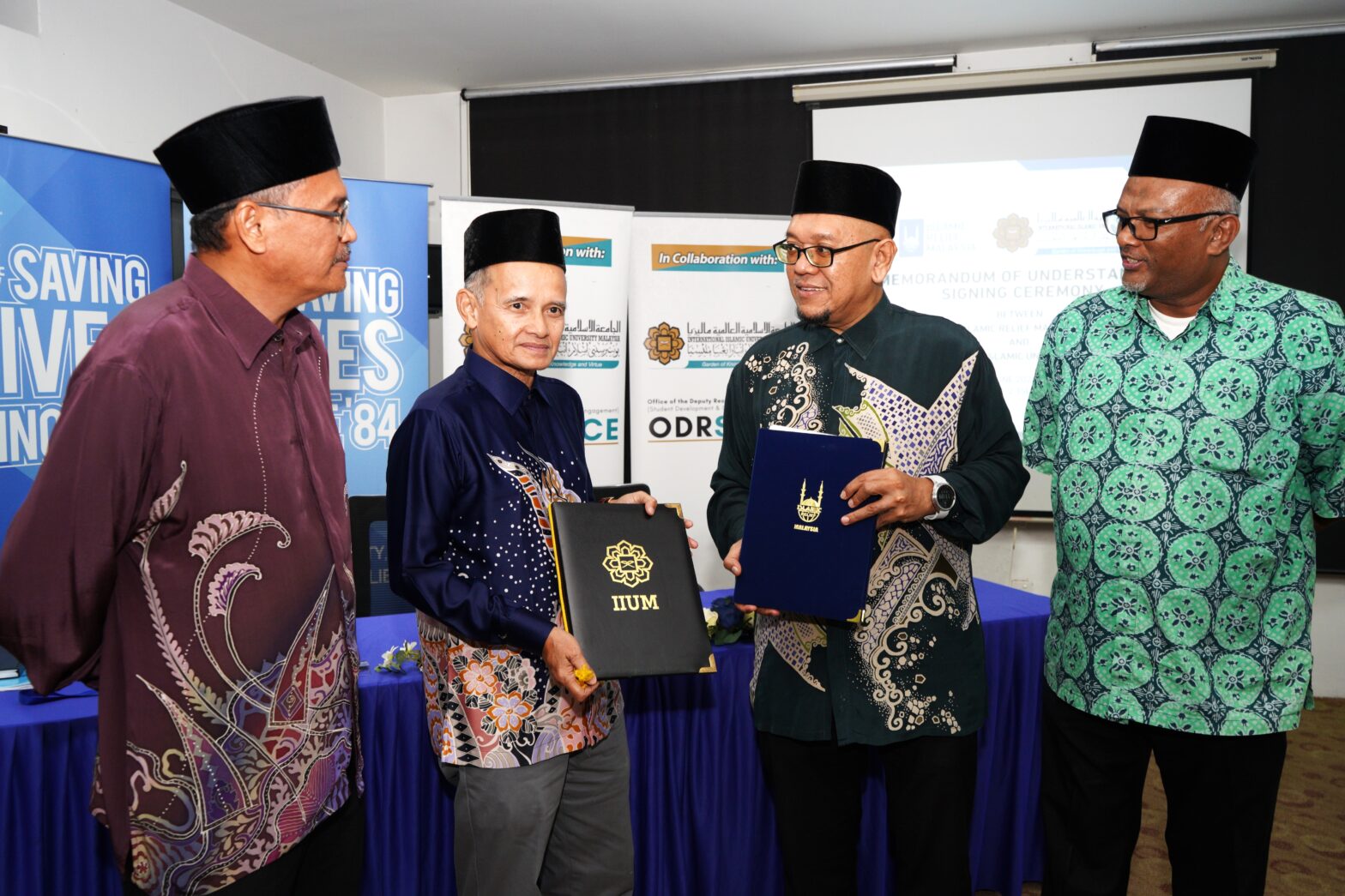
BANGI, May 14, 2024 – A significant step towards enhancing humanitarian efforts was taken today as Islamic Relief Malaysia (IR Malaysia) and the International Islamic University Malaysia (IIUM) signed a Memorandum of Understanding (MoU) at the IR Malaysia office.
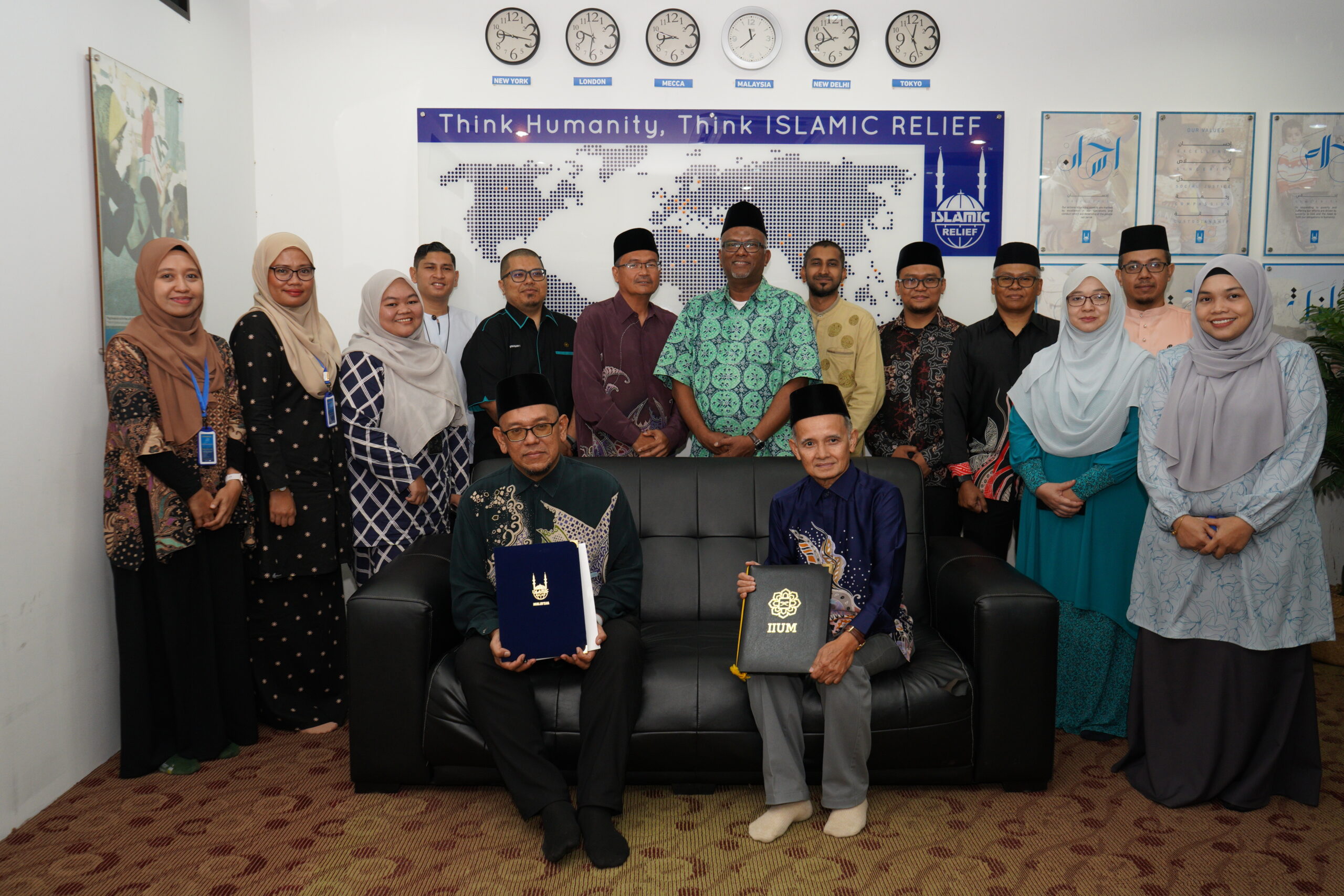
The formalization of the MoU saw Datuk Nur Iskandar A Samad, a Member of the Board of Trustees of IR Malaysia, and Prof. Dr. Akmal Khuzairy Abd. Rahman, Deputy Rector (Student Development and Community Engagement) of IIUM, signed the agreement. The ceremony was witnessed by Mohd Shukor Tahir, Chief Executive Officer of IR Malaysia, and Anizam Hj. Ali, Senior Deputy Director, Office of the Deputy Rector (Student Development and Community Engagement) IIUM.
This agreement marks a collaborative effort aimed at enhancing humanitarian activities both at IIUM Gombak Campus and other campuses. Datuk Nur Iskandar expressed IR Malaysia’s honor in formalizing this collaboration, emphasizing the organization’s openness to partnerships that empower communities and alleviate the suffering of those in need.
“The collaboration with IIUM is a significant event in IR Malaysia’s mission to provide aid and support to communities in need. By combining our expertise and resources, we can contribute more to society and achieve maximum impact, insya-Allah.
“I believe that this strategic partnership will help IIUM students and staff in shaping their character and becoming individuals with a strong sense of humanity.
“They will be exposed to various real-life stories of the community and will have the opportunity to gain valuable experiences to understand and grasp the true meaning of humanity,” he said.
As an organization experienced in charitable and community work, IR Malaysia anticipates that this collaboration will pave the way for various joint programs and projects. These include student development, academic research partnerships, and increased student involvement in volunteer activities and awareness campaigns.
IIUM has actively involved its students in engaging with the local and global community in ensuring the sustainable growth of life and bringing Rahmatanlil Alamin to mankind. The university advocates the idea of Communiversity, emphasizing that education extends beyond classrooms and entails a responsibility to contribute to society.
This MoU marks a formal setting of cooperation between IR Malaysia and IIUM, allowing both parties to share expertise, experience, resources, and networks. This collaboration aims to build a better society and improve the quality of life for communities globally.
Since 2011, IR Malaysia and IIUM have collaborated on various initiatives, including visits to Orang Asli villages, humanitarian expos, the Lelaki Dari Dhaka theatre, Humanity Night, the Lombok Humanitarian Mission, and the Water Balloon Charity Run, among others.
The historic event was attended by management, senior officers, and volunteers from both organizations.
More Than 17 Thousand Families in Syria Affected by Flood
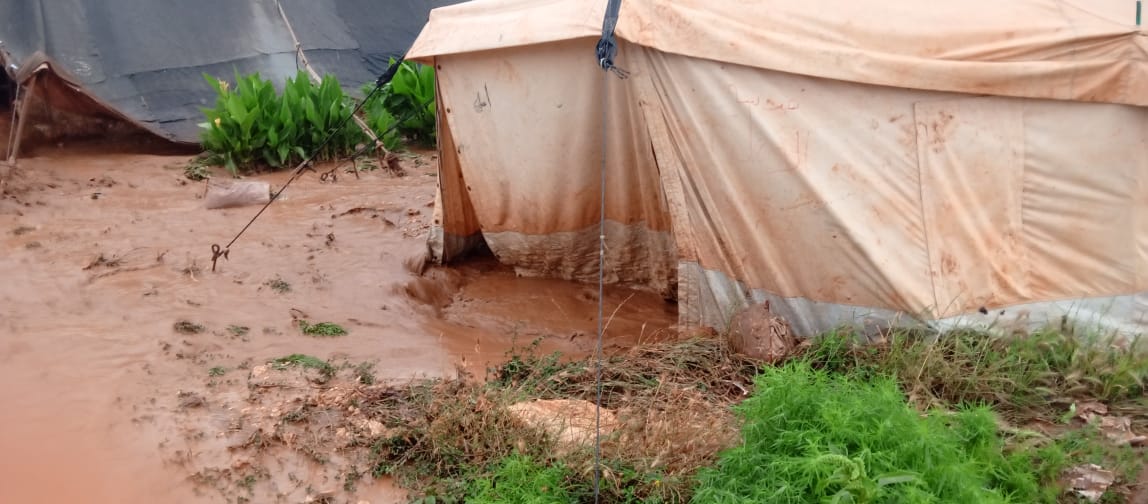
NORTHWEST SYRIA, May 24 – Heavy rainfall and strong winds have severely impacted Northern Syria, particularly in the Idlib and Aleppo governorates, leading to flash floods and severe weather-related incidents.
The floods have caused extensive damage to camps, closed roads, and inundated agricultural lands, homes, and medical and educational facilities, prompting population displacement.
Preliminary reports indicate that 24 sites in Aleppo Governorate, mainly in Afrin and Azaz districts, and 15 sites in Idlib Governorate, primarily in Harim district, were affected.
According to a rapid assessment by the Islamic Relief team, 41 camps were affected, impacting 6,428 internally displaced persons (IDPs), while local authorities reported that 17,669 families in eight sub-districts were affected and over 521 tents were damaged.
Muddy conditions have disrupted children’s access to schools and hindered families’ ability to access essential services in the displaced persons camps, with displaced people living in camps being the most affected during this severe weather.
Syria is experiencing a severe humanitarian crisis, worsened by the February 2023 earthquakes and ongoing conflicts. The economic situation has declined, making more people vulnerable and needing help. In 2024, around 16.7 million people require humanitarian aid, a notable increase from the previous year.
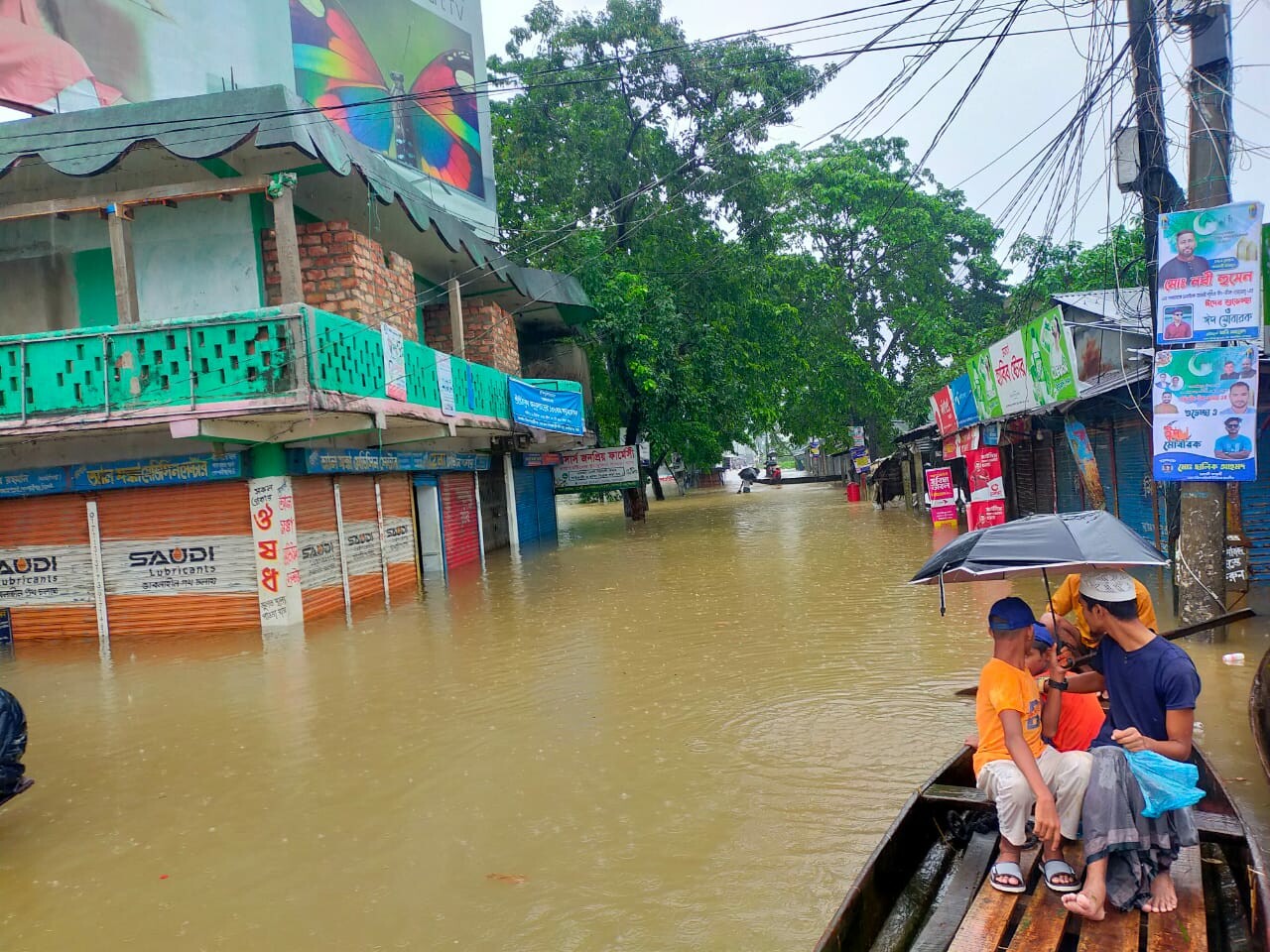
BANGLADESH, Jun 21 – Islamic Relief is urgently responding to severe flooding that has devastated northeast Bangladesh, submerging communities and leaving many families homeless. Heavy rains and flash floods have affected around 1.6 million people in the Sylhet, Sunamganj, and Moulvibazar districts in the past three days.
Nearly 75% of Sylhet district is now flooded, with over half of its crops and paddy fields underwater, severely threatening local food security.
“Many families, including young children and elderly people, are now sleeping out in the open by the side of roads, with only plastic sheets to protect them from the heavy rain. Their homes have been washed away and they urgently need food, shelter, and other aid,” Enamul Haque, Islamic Relief Programme Manager in Bangladesh says.
Islamic Relief’s operations are also impacted, with one office under two feet of water. Despite these challenges, the organization is preparing to distribute dry food, hygiene kits to prevent waterborne diseases and cash grants for essentials. Initially, aid will reach 5,000 displaced people, with plans to expand further in the coming days and weeks.
Approximately 30,000 people have moved to shelter centers in Sylhet and Sunamganj, with numbers expected to rise. In total, 825,000 people are affected in Sylhet, 650,000 in Sunamganj, and 193,000 in Moulvibazar. The flooding is expected to continue for the next couple of weeks due to upstream water flow from India.
This disaster follows Cyclone Remal, which recently destroyed thousands of homes in Bangladesh. Islamic Relief aims to provide immediate relief and support, adapting its efforts to meet the evolving needs of the affected communities.