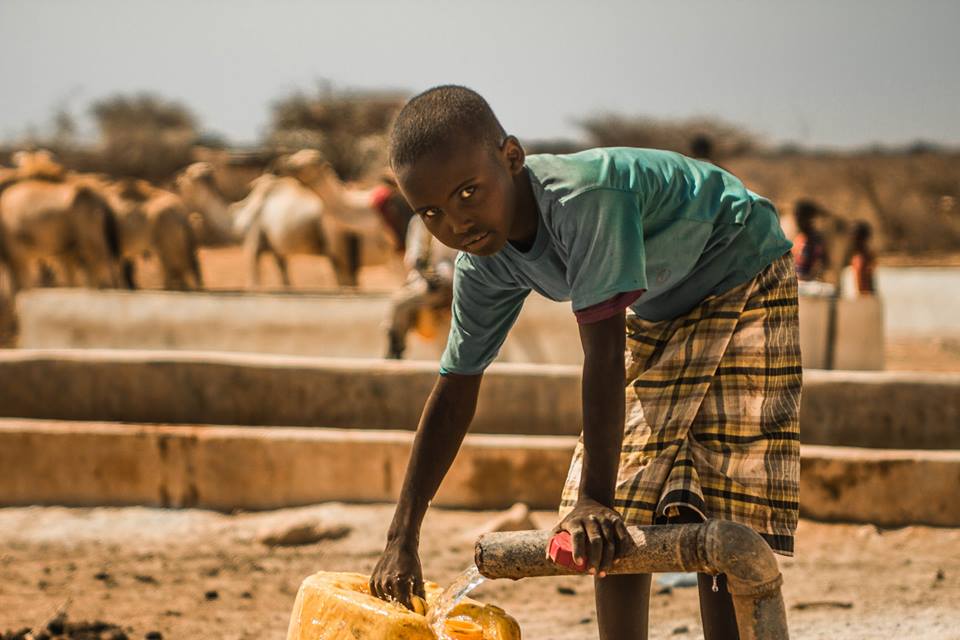
News Update – Current situation on East Africa (Somalia)

Suffering the effects of two-and-a-half decades of armed conflict, Somalia is also affected by the El Niño phenomenon, leaving communities vulnerable to severe drought and flash flooding.

Threat of famine

The humanitarian situation is critical in Somalia. For many the threat of famine is looming.

According to the UN, some 320,000 children under five years are acutely malnourished, of which 50,000 are severely malnourished.

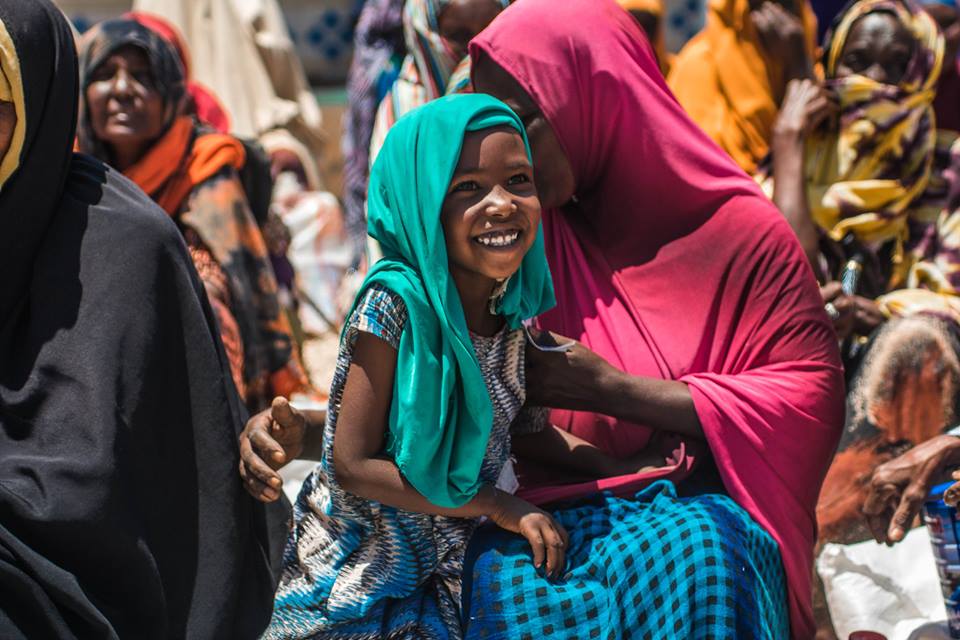
Since November last year 615,000 people have fled their homes and are now living as ‘internally displaced persons’.

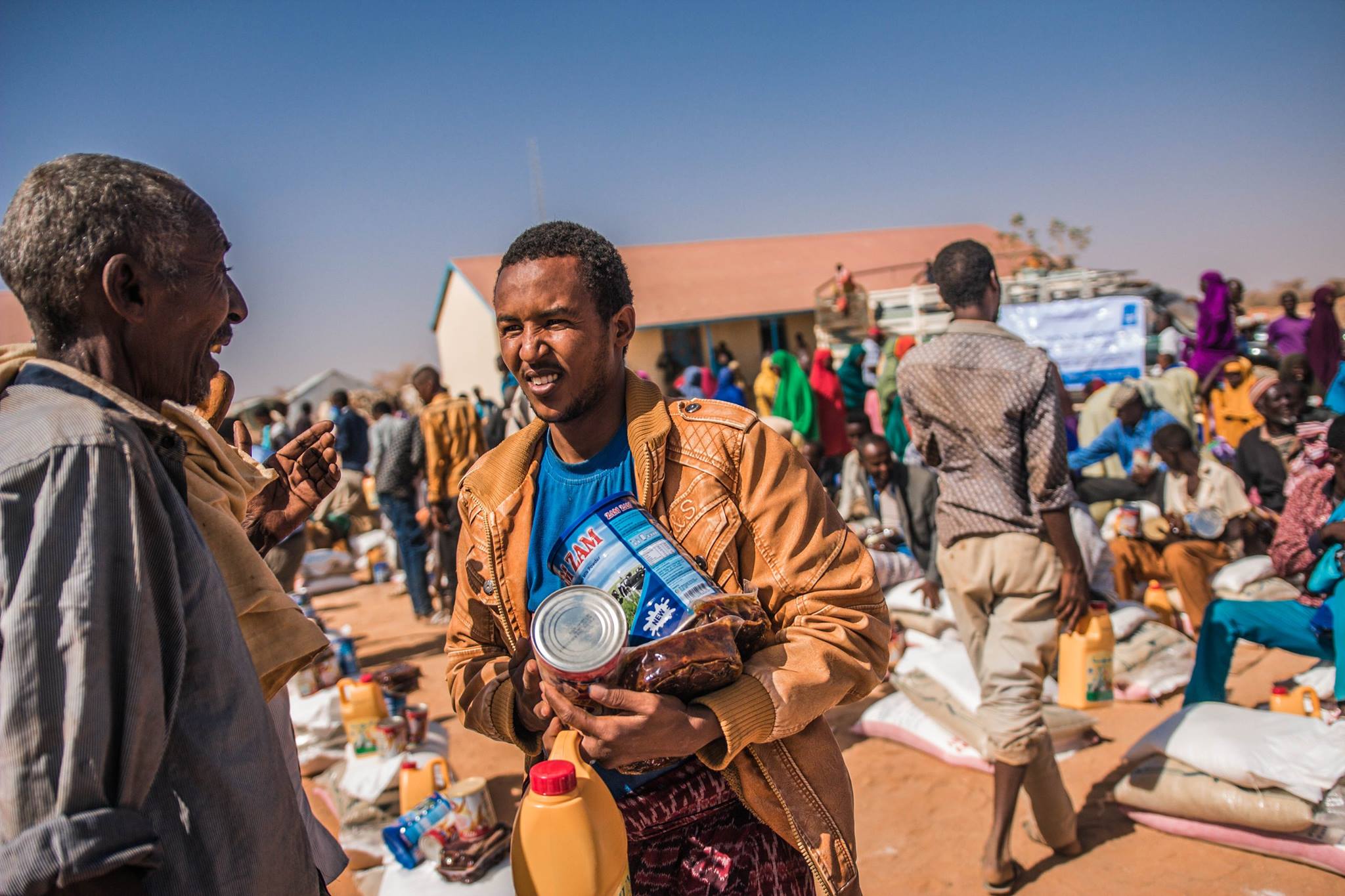
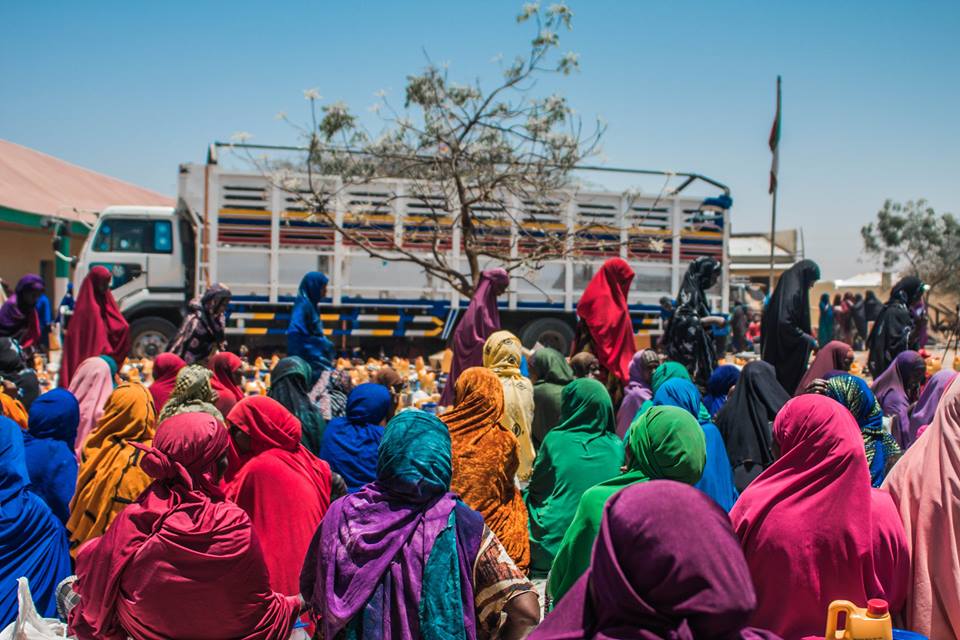
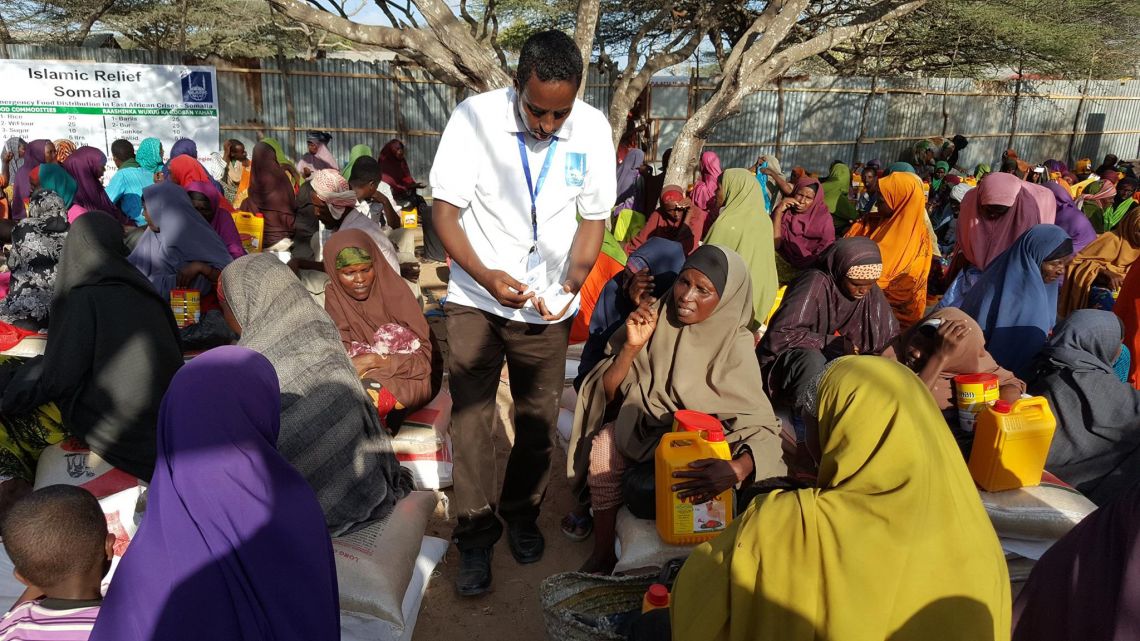
We have distributed large emergency food packs including rice, flour, sugar, milk, porridge and dates to 17,538 people in South Central and Somaliland.

In the next few months we will distribute food to an additional 42,300 people, also including Puntland. More food will be distributed as more funding becomes available.

We will soon be extending our emergency work to cover Baidoa in the south-western Bay region, which is currently experiencing its worst drought in living memory.


Emergency health needs

The effects of the drought have caused the spread of diseases such as acute watery diarrhoea, cholera, measles and nutrition-related diseases such as kwashiorkor and marasmus.

We are providing critical primary health care through three health centres and mobile outreach in IDP camps in and around Mogadishu, in South Central region. Acute watery diarrhoea and measles have been particularly prevalent in this region.

We transport critically ill patients, such as severely malnourished children and pregnant women with complications, by ambulance to hospitals in Mogadishu.

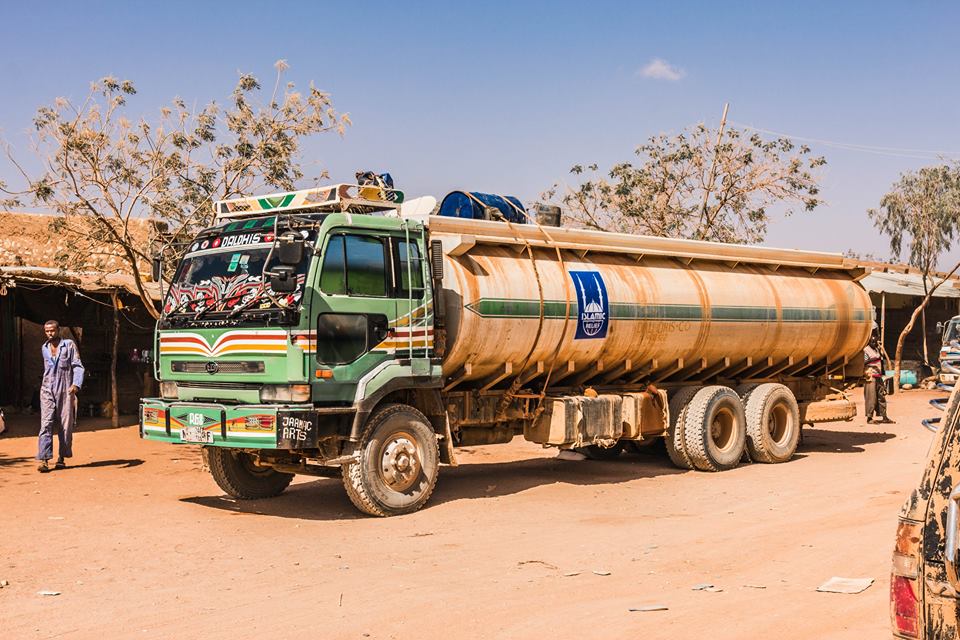
We are currently providing 180,000 litres of clean water every day to around 54,000 people who have fled their homes and are now living in camps outside Mogadishu.


Failing education system

Fewer than a third of children in Somalia go to school.

Thousands of schools have been destroyed during the conflict, and tens of thousands of children are living in overcrowded camps with little or no education facilities.

We have built a school for over 700 pupils in Balcad, just over 20 miles from Mogadishu, and we are starting to build another in Garowe in Puntland region.

We are also building classrooms in the Abdaal district of Somaliland.

Source: Islamic Relief Worldwide

Updated: May 2017
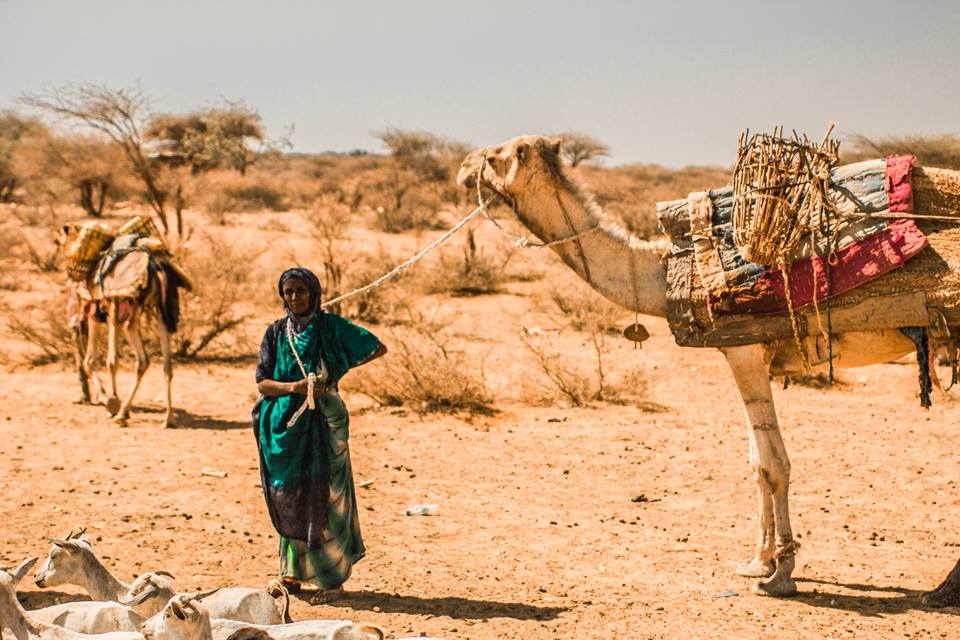


​News Update – East Africa Crisis

Nutrition activities in ETHIOPIA continued this week with 898 children screened and 476 moderate malnourished among them were admitted for assistance.

Supplementary food was provided to 265 individuals

Livestock feeding, maintenance of water points and water trucking along with provision of water treatment sachets continued during the week.

In SOMALIA, 350 food packs and 150 NFIs were distributed in Alwaq (Gedo region) benefitting 2,100 individuals.

Water trucking and primary health care activities continued this week.

More info about East Africa Crisis:

  • Zainab Mohammad Warsame was forced to flee her home with 10 children including a daughter who is epileptic after she lost all of her livestock because of the drought.

Click link https://www.facebook.com/IslamicReliefMalaysia/vid…

  • Our team is on the ground in Somalia doing a food distribution to the IDPs. These are your donations in action!

Click link https://www.facebook.com/IslamicReliefMalaysia/vid…

Think Humanity, Think ISLAMIC RELIEF!


East Africa Blog: Losing a child

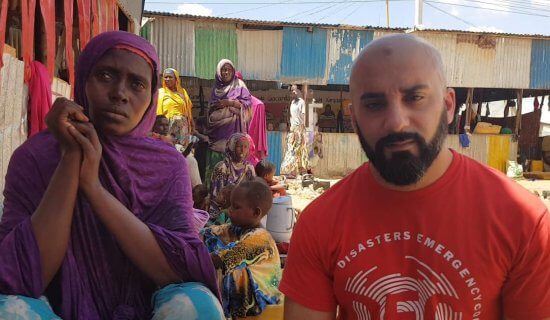
Dotted around Mogadishu, the capital city of Somalia, are camps where countless desperate families arrive in search of food and water. It was at one of these camps, where teams from Islamic Relief regularly distribute food packs, that I first met Fatouma.

Fatouma, from a village in the Burhakaba region, around 250km from Mogadishu, told me her harrowing story of survival through the catastrophic drought.

“The drought has been with us for years, but in the last 12 months things became unbearable. My people are farmers, and our lives depend on our livestock and the land. The lack of rain meant nothing grew, which meant there was no food for the cattle to eat – which ultimately resulted in our remaining cattle dying very quickly. We had no choice, but to leave home in search of food and water.

Fatouma and her six children left their village with nothing but the clothes on their backs. The journey was an arduous one, which they undertook on foot. Every now and then they were able to get on public transport, only to be quickly kicked off once it transpired that they had no money.

“It was excruciating to walk in the blazing heat, and there were times when we felt like giving up, but we knew we had to keep on going, if we wanted to survive. My children became ill because we couldn’t feed them and the bodies of my three youngest started to swell badly.”

Unknown to Fatouma, the swelling was an indicator of severe malnutrition. Sadly, one by one, her young children Nooratu, Khadiju and Usman died whilst on the journey to Mogadishu. They were buried in different villages en route, where they relied on the good will of local villagers, to raise money for their burials.

It took Fatouma 10 days to reach Mogadishu.

When they finally arrived, they faced another desperate situation – a camp with little sanitation. And with limited food donated by the locals, who themselves were struggling to survive as a result of the drought.

Life at the camps is dire. With families constantly arriving to seek refuge and aid. In the last 48 hours, over 200 people had arrived for sanctuary.

We didn’t speak the same language but from looking into Fatouma’s eyes, it was clear that she was still in a deep state of shock, a palpable sense of loss and hopelessness.

This devastating story was a recurring theme in the famine of 2011, parents were too weak to bury their children, bodies were simply left on the roadside. This will become a widespread reality if we do not act now.

Source: Islamic Relief UK

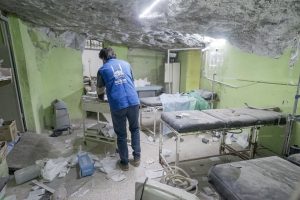
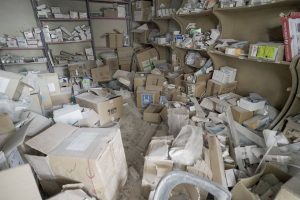
Islamic Relief deeply concerned about the deadly attack on Idlib

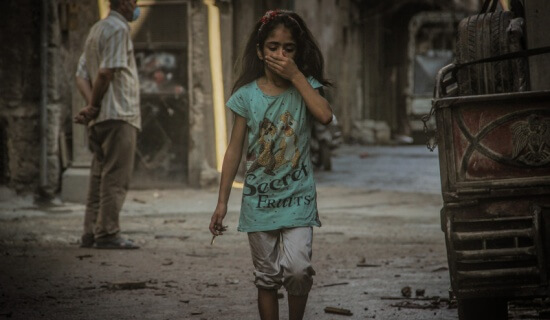
More than 70 people have been killed and hundreds injured in northern Syria after an air-launched chemical attack according to recent news reports.

“We are deeply concerned about this attack,” says Imran Madden, UK Director, Islamic Relief. “All parties to the conflict must respect international humanitarian law and avoid further civilian casualties.
“Last month, this conflict entered its seventh year. During this time over 400,000 people have been tragically killed. The situation is dire. We urgently call upon the international community to leave no stone unturned and to find a political solution to the crisis.
“Our teams on the ground are doing their best to save lives, navigating through extremely dangerous and challenging environments, to ensure donations by our generous donors in the UK reach those most in need in Syria.”

Islamic Relief is continuing to deliver vital aid in Idlib following these attacks, but it is becoming more and more challenging for our staff to work under these difficult circumstances.

Over the years, Islamic Relief has provided food, medical items, warm clothing and shelter to millions of people inside Syria and has been at the forefront of providing aid in besieged areas like Aleppo and elsewhere.

You can continue to support our work on the ground by donating towards us.

Source: Islamic Relief UK.


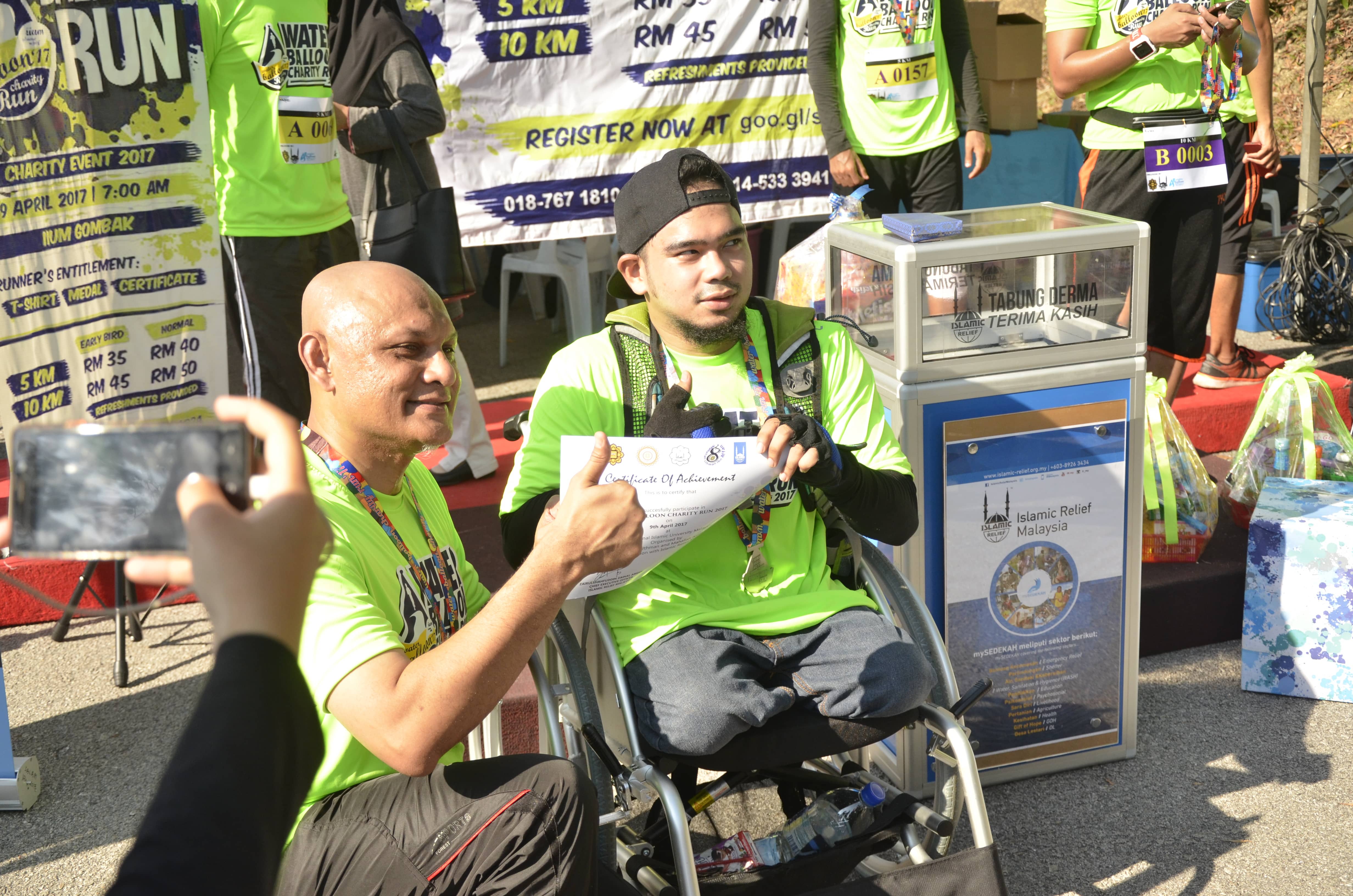
IIUM – IRM Charity Run, Sponsoring the Humanity Project

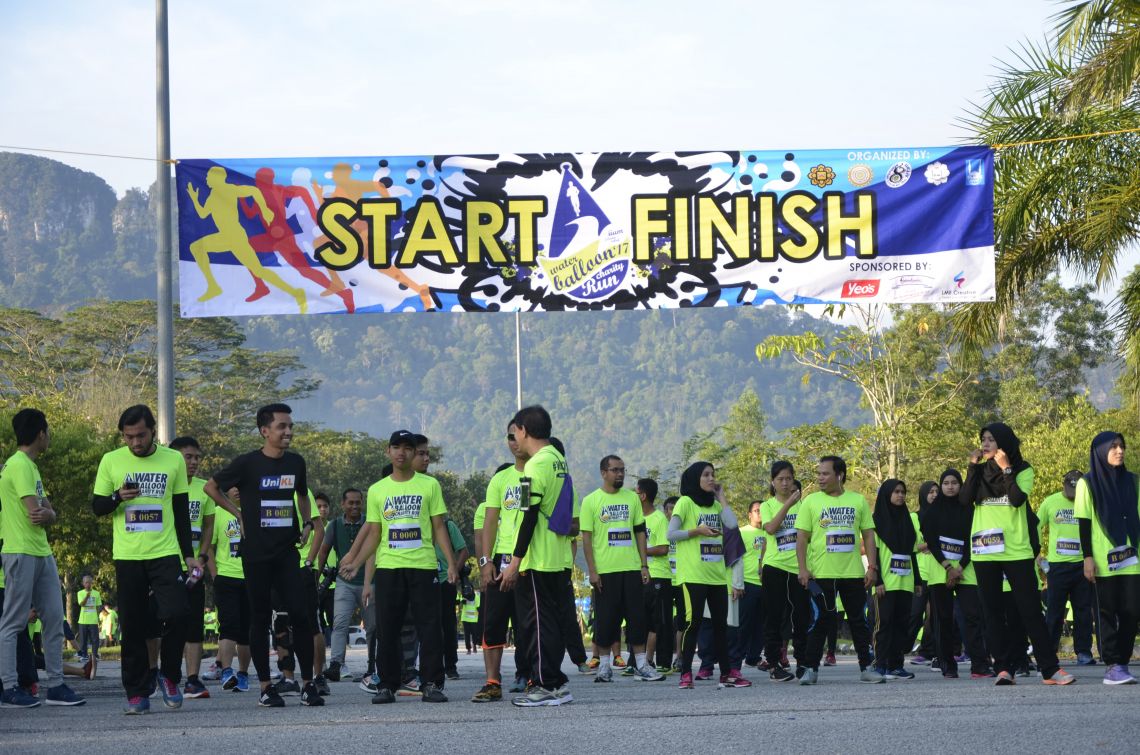
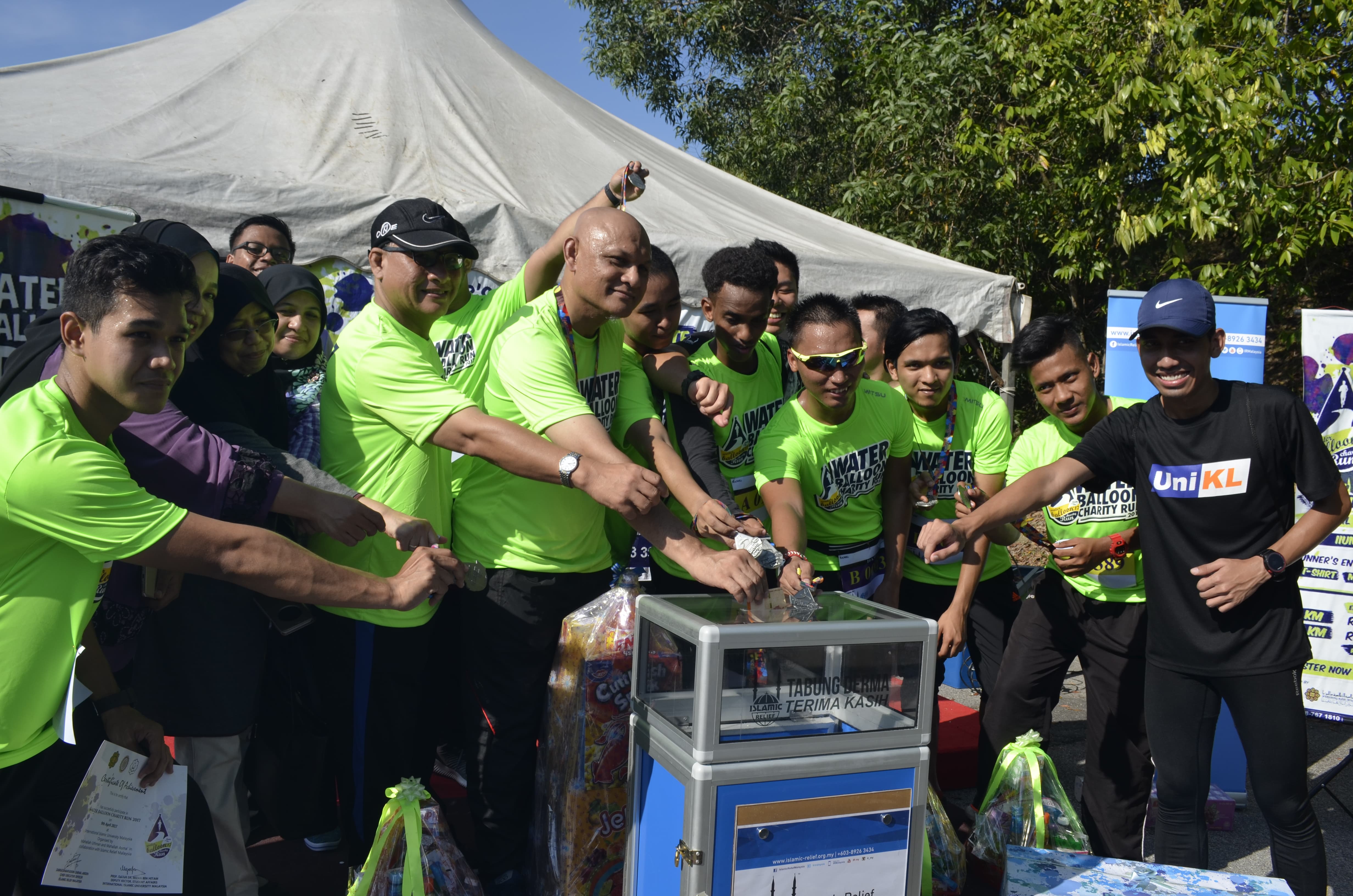
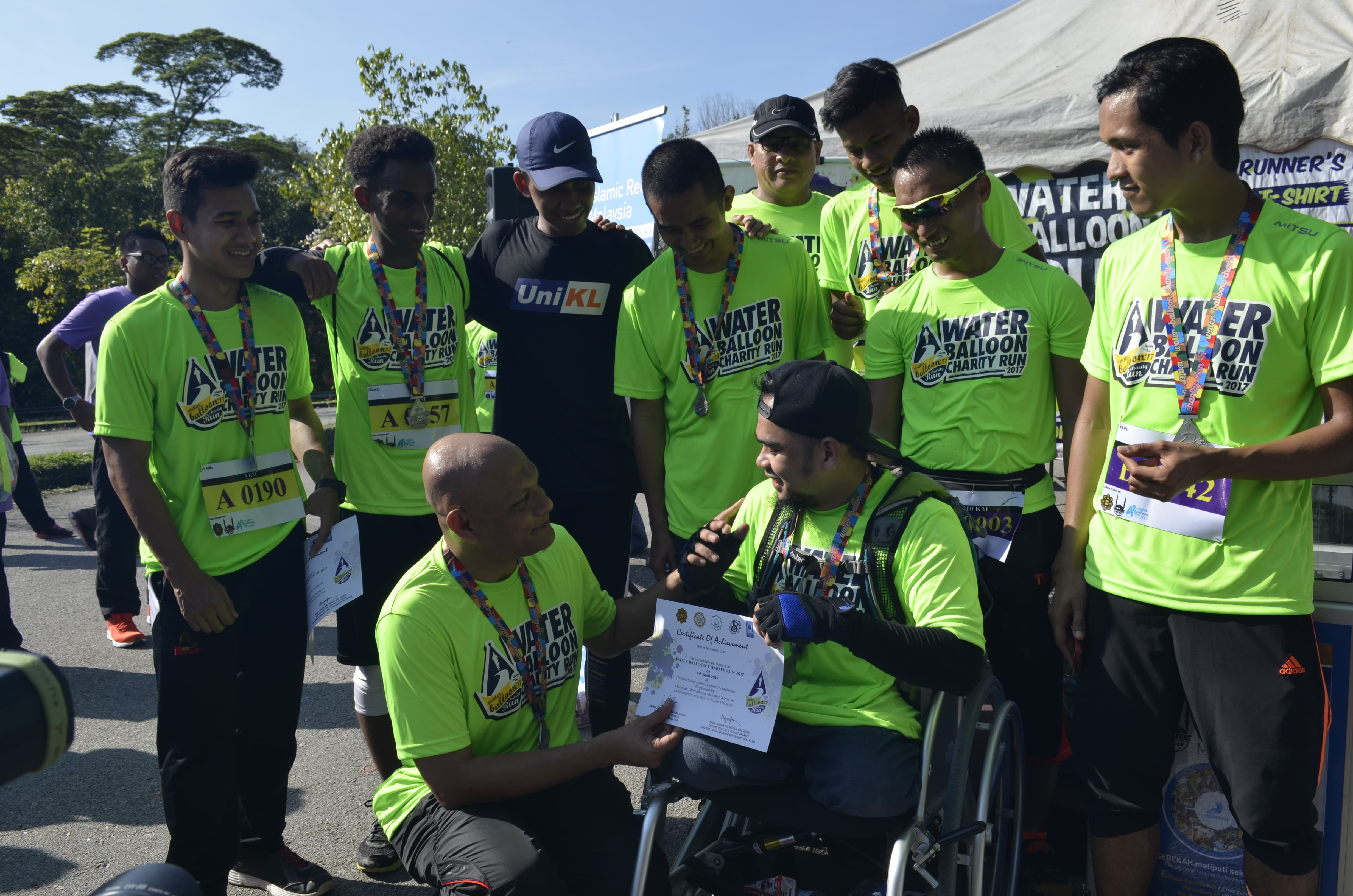
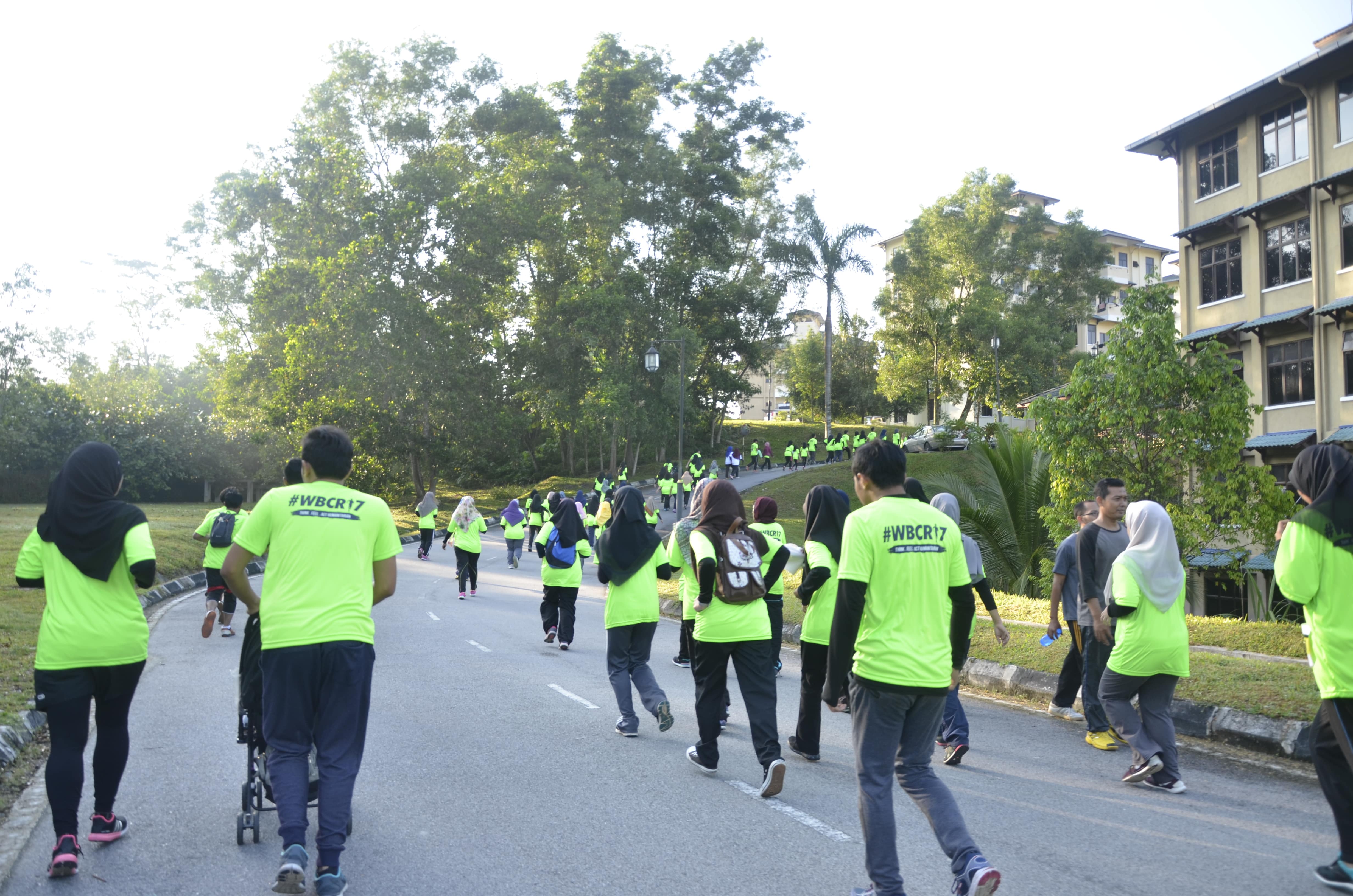
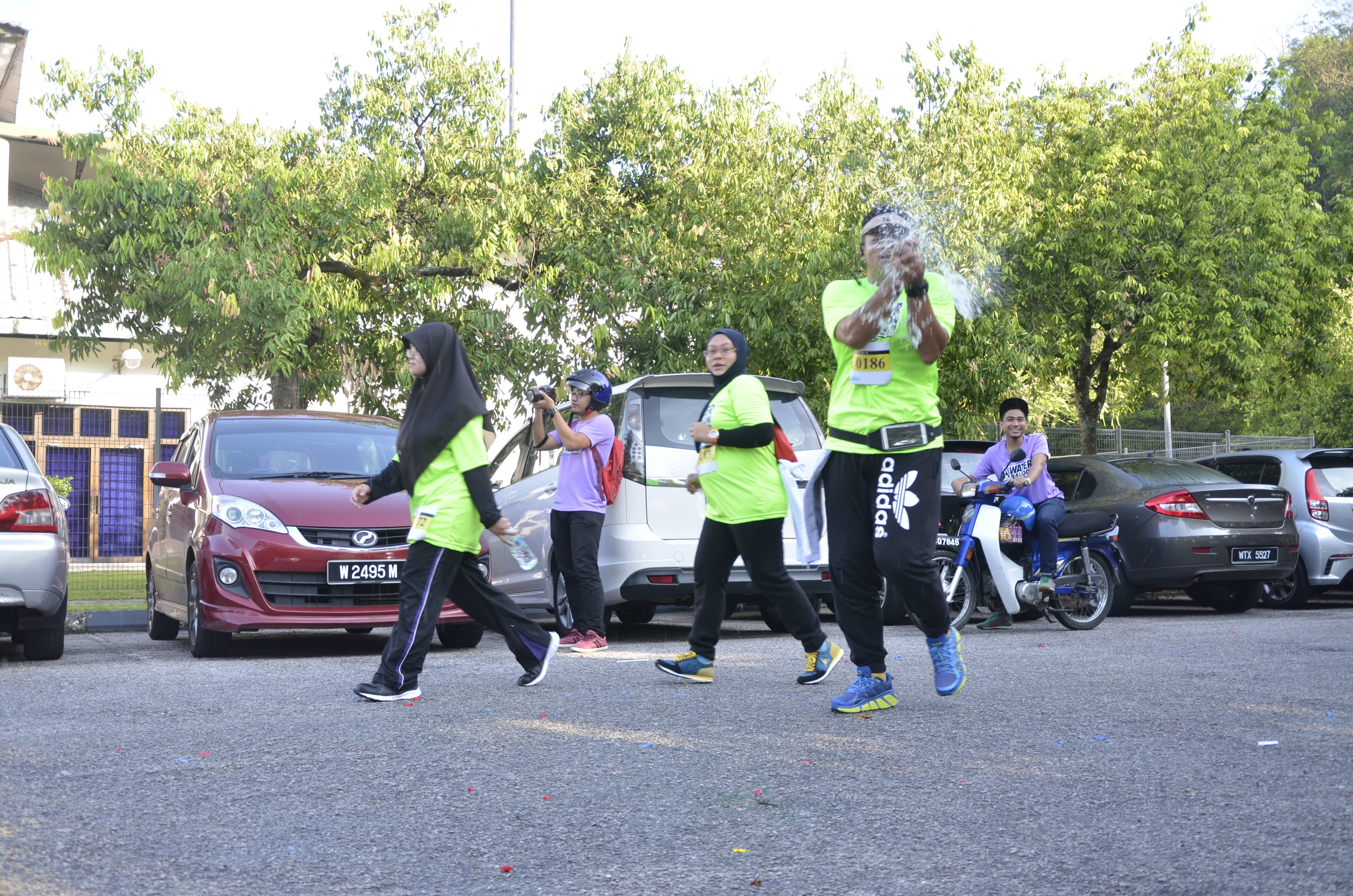
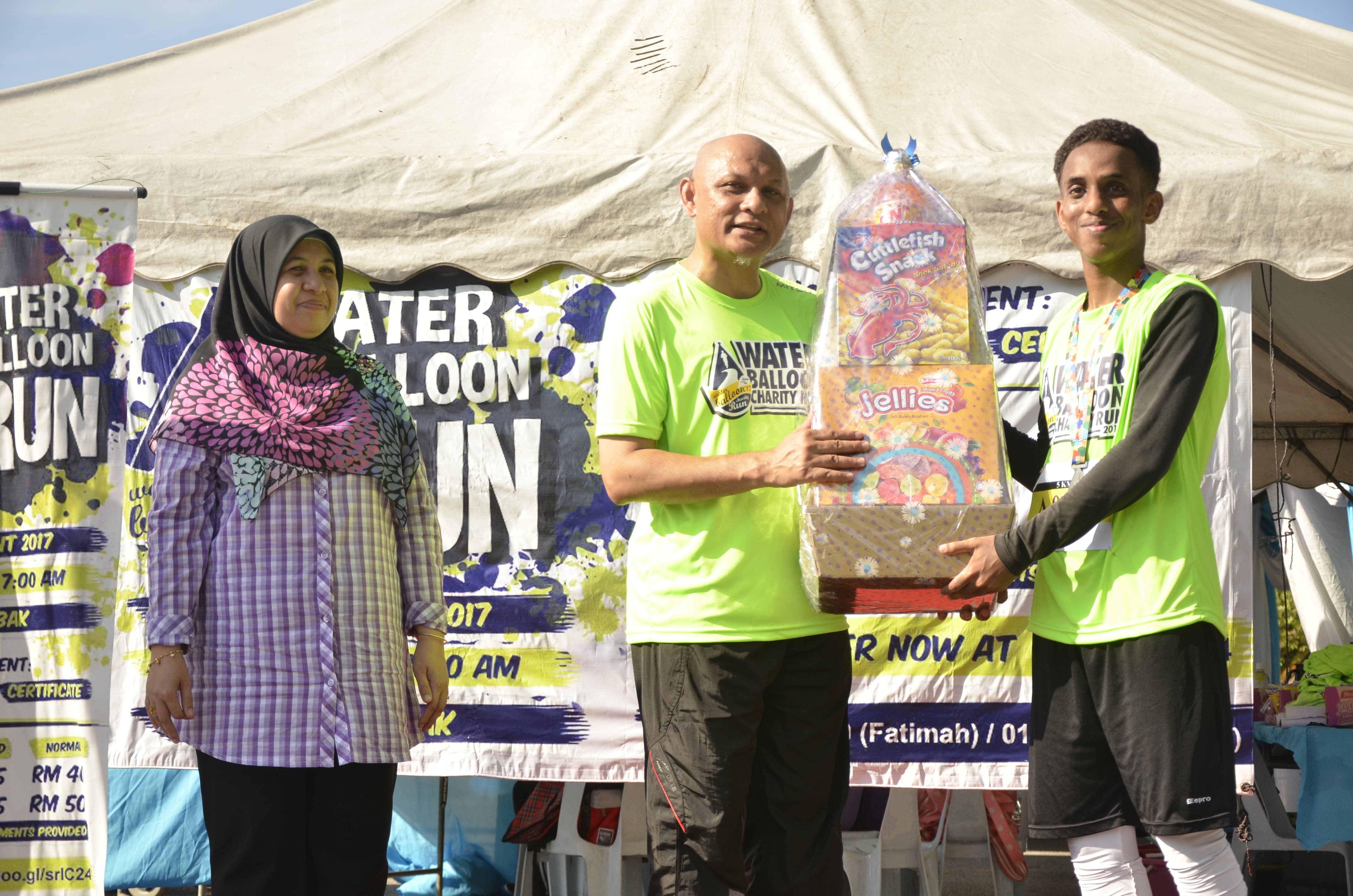
Gombak, 9 April 2017 – Approximately 500 students participated in the Water Balloon Charity Run challenge organized by Islamic Relief Malaysia (IRM), in collaboration with students of Mahallah Uthman and Mahallah Asma, from International Islamic University of Malaysia (IIUM)

The CEO of IRM, Zairulshahfuddin Zainal Abidin said, the charityrun was a collaborative effort initiated by a group of IIUM students, who are very passionate about helping those who are in needs. “These commendable students have taken an initiative by organising the Water Balloon Charity Run, to raise fund for the Mushroom Cultivation Project, in Lombok, Indonesia.

“Under this project, Kelompok Wanita Tani (KWT) consisting of 20 women, mostlysingle-mothers and zakat-recipients groups will be assisted by Islamic Relief Indonesia to earn their income by cultivating mushrooms,” said Zairulshahfuddin during the event today.

The charity run was organized in two categories, which were the 5 kilometres and 10 kilometres distance run respectively. Although it was held inside the IIIUM’s university compound, it managed to attract participation from the public, besides IIUM students themselves.

The program wasnotably sponsored by Yeo Hiap Seng (Yeo’s) and Gardenia Bakeries (KL) Sdn. Bhd. It is hoped that events such as this will garner better public attention on the importance of physically active lifestyle for their overall wellbeing besides inspiring and encouraging the youths to participate more in community-oriented voluntary activities.

To learn more about the Mushroom Cultivation Project, please visit https://www.islamic-relief.org.my/2018/index.php/ways-help/v…


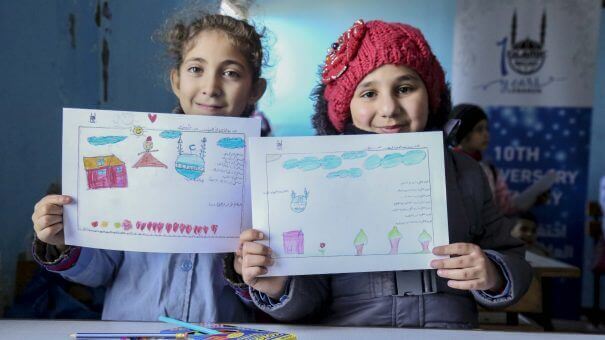
Islamic Relief marks 10 years of working in Lebanon

In one decade we’ve reached 2m people

Islamic Relief staff and supporters have been celebrating 10 successful years of operating in Lebanon.

Parties in Saida, Beirut and Tripoli included a football tournament and a children’s drawing competition.

We first started working in Lebanon in 2006, providing those affected by the Lebanon war with food, water and hygiene kits.

Over the last decade your support has allowed our team to reach:


  • 40,361 children with welfare services and 11,087 with education,
  • 470,266 people with water, sanitation and hygiene programmes,
  • 492,090 with basic assistance such as winter distributions of blankets and clothes,
  • 47,954 with health programmes and
  • 886,667 people with food including our Ramadan and Qurbani distributions.


In Lebanon there are currently four million Lebanese people living alongside two million refugees from Syria and Palestine.

Community cohesion is at the heart of Islamic Relief’s work here.

Country director Abdelmonem Daymi said: “The greatest challenge we face in our work is the issue of safety and security.

“But over the last 10 years we have been able to reach all regions of Lebanon working across the whole population – Lebanese, Syrian, Palestinian, many different communities.

“We feel proud to be working so closely with these communities and building capacity with local partners.”

Today, 2,700 orphans are sponsored through Islamic Relief’s one-to-one programme in Lebanon.

And our other projects in Lebanon include opening a new kidney dialysis unit in a Palestinian refugee camp where patients have been forced to travel 95 miles (120km) twice a week to have this life-saving treatment.

Abdelmonem said: “I’m honoured to have this rich experience and proud to be able to contribute to the support of refugees.

“I’m also proud of the work done by Islamic Relief.

“It’s not easy working in such a context but Islamic Relief’s name is very well known here and people really appreciate the work that is done so we feel very honoured to be serving the community this way.”

Read more about our work in Lebanon here.

Source: Islamic Relief Worldwide