Kaushila: ‘I want justice for victims of sexual violence’

In honour of International Day for the Elimination of Violence Against Women, we spoke to inspirational women who have battled violence against women. Kaushila is one of those women who has dedicated her life to advocating for victims and seeking justice. Here she talks about the impact of her activism.

Kaushila Devi, 35, is the secretary of the Parivartan Ward Level Women’s Group in Brahmpuri, Nepal. She became a member of the women’s group after participating in various programmes organised by the Rural Development Centre (RDC), including advocacy training, women’s group formation, and door-to-door campaigns.

As part of her regular participation in women’s group meetings, Kaushila shares her learning and information with the community. In the past 18 months, she has referred 4 gender-based violence cases and provided counseling to a number of survivors. She educates parents on the importance of sending their children to school, and her efforts have seen 24 children enrolled in school.

Kaushila has also devoted time to educating her son and daughter on the issue of women’s rights and the equal treatment of men and women. A major focus of her work as a victim advocate is finding cases and taking action to ensure survivors receive justice.

One of the cases she brought to light was the harrowing story of a 15-year-old girl from the Dalit community. Geeta* was the oldest child in a family of 9 having 3 sisters and 3 brothers. She lives with her family in the small community of Brahmpuri. Her parents are wage labourers, and her father currently works in neighbouring India.

Growing up in Nepal is not easy, but life is especially difficult for the Dalits. They do not belong to a caste and are at the bottom of the social ladder. Due to this discrimination and under the influence of tradition and poverty, many children drop out of school early. From an early age they work together with their parents as day labourers in agriculture, fishing or brick factories. Like many Dalit children, Geeta and her siblings do not go to school.

The road to justice

Kaushila heard rumours from local people about Geeta’s unusually swollen stomach. Concerned, Kaushila went to speak to the teenager’s mother, who confirmed that her daughter was pregnant, due to the result of rape. Kaushila encouraged her to report the sexual assault, but the mother wanted to wait for her husband to return from work in Punjab.

Due to the urgency and sensitivity of the girl’s situation, Kaushila notified Islamic Relief’s implementation partner, Rural Development Center (RDC) Nepal. An RDC technical team approached the family and offered to provide counselling to Geeta. In her counselling sessions she opened up about what happened to her on the day she was raped.

Unexpected betrayal

Geeta was looking for work when 2 Nepali women offered her money to cut meadow grass in the Indian bordering land nearby. Geeta felt this was an opportunity she couldn’t pass up.

When they arrived at the border, Geeta was handed over to a man who repeatedly raped her. The gang threatened to kill her if she told anyone what had happened.

RDC Nepal supported the family to report the crime to the police in order to stop the group preying on other girls. The family also received assistance from Rajdevi’s deputy mayor who helped them to file a complaint with the district court.

Having the power to prevail

In July 2021, Geeta’s case was filed and a conviction obtained in 2 months. The women who lured Geeta were arrested and sentenced, while her rapist was never caught.

Kaushila believes that this case is an example of the power of a community coming together to look out for one another. During the process, the Municipality supported the legal proceedings. Meanwhile, RDC, with the assistance of Islamic Relief for technical and financial support, provided emergency support to the family – and gave them livestock so they can earn a living.

Organising and mobilising the community has made a significant contribution to addressing gender-based violence in the area. Kaushila has become a role model for community leaders, but she knows that her work is not finished, as many more women and girls continue to be subjected to violence, and kept fearful and silent.

As part of our efforts to fight gender-based violence, Islamic Relief is working with the RDC to support and strengthen community protection structures.

Our intervention aims to better protect vulnerable children in Nepal from exploitation and harm, and support their communities to build a brighter future for all. Please support our work: Donate today.

Fire burns Syrian refugee tents in Lebanon camp

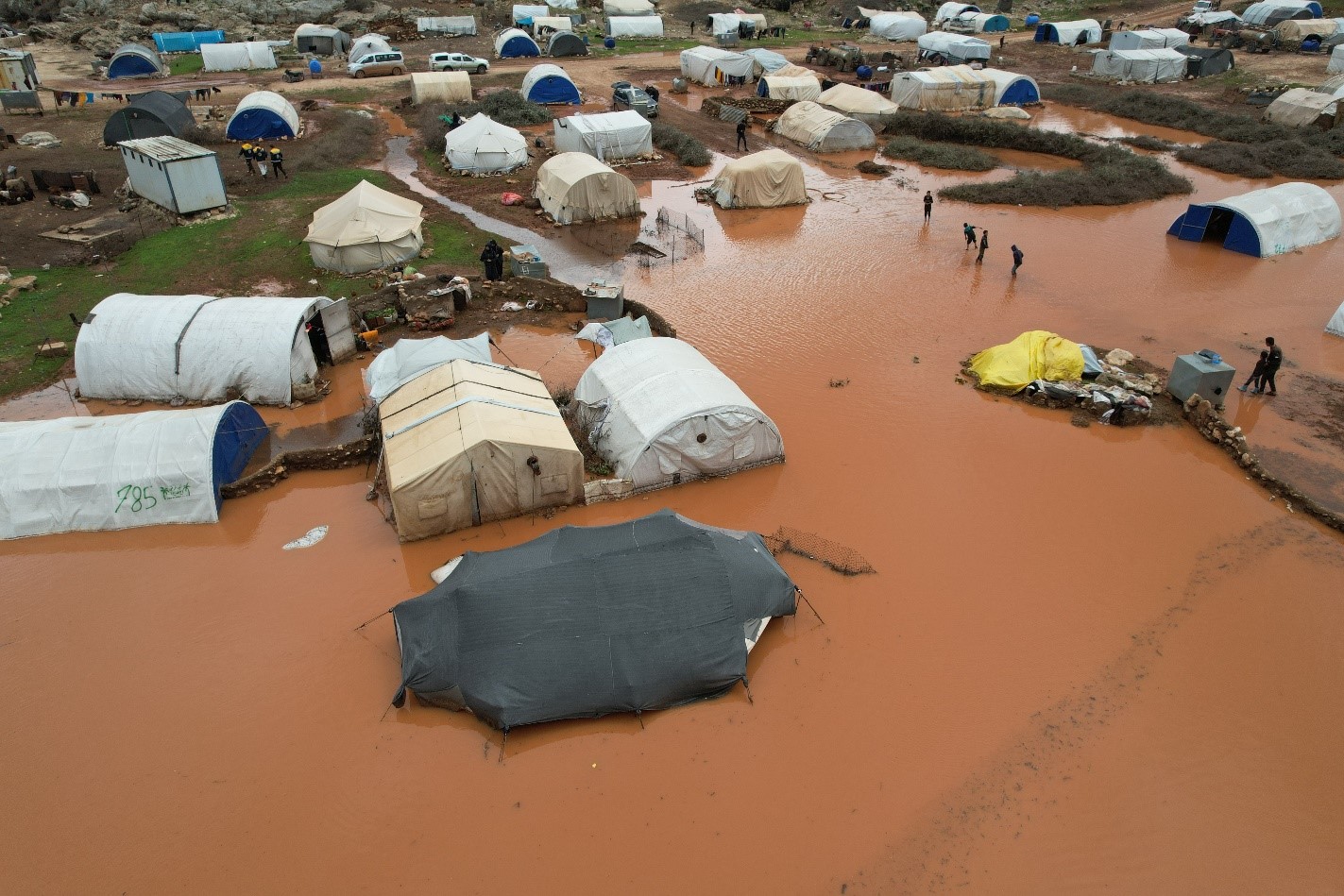
LEBANON, 6 October 2022 – About 95 Syrian refugee tents in Wafaa Al Omany camp, Aarsal, Lebanon was destroyed in a fire on 5 October, around 7 am.

According to Islamic Relief Lebanon, 75 tents were fully damaged, and 20 were partially damaged.

The fire’s cause is still unknown.

So far, there is no alternative accommodations or shelters have been provided for the affected families.

Islamic Relief is on the ground and plans to provide emergency assistance of distributing ready-to-eat meals and drinking water for up to 100 affected families.

Pakistan flood death toll rises

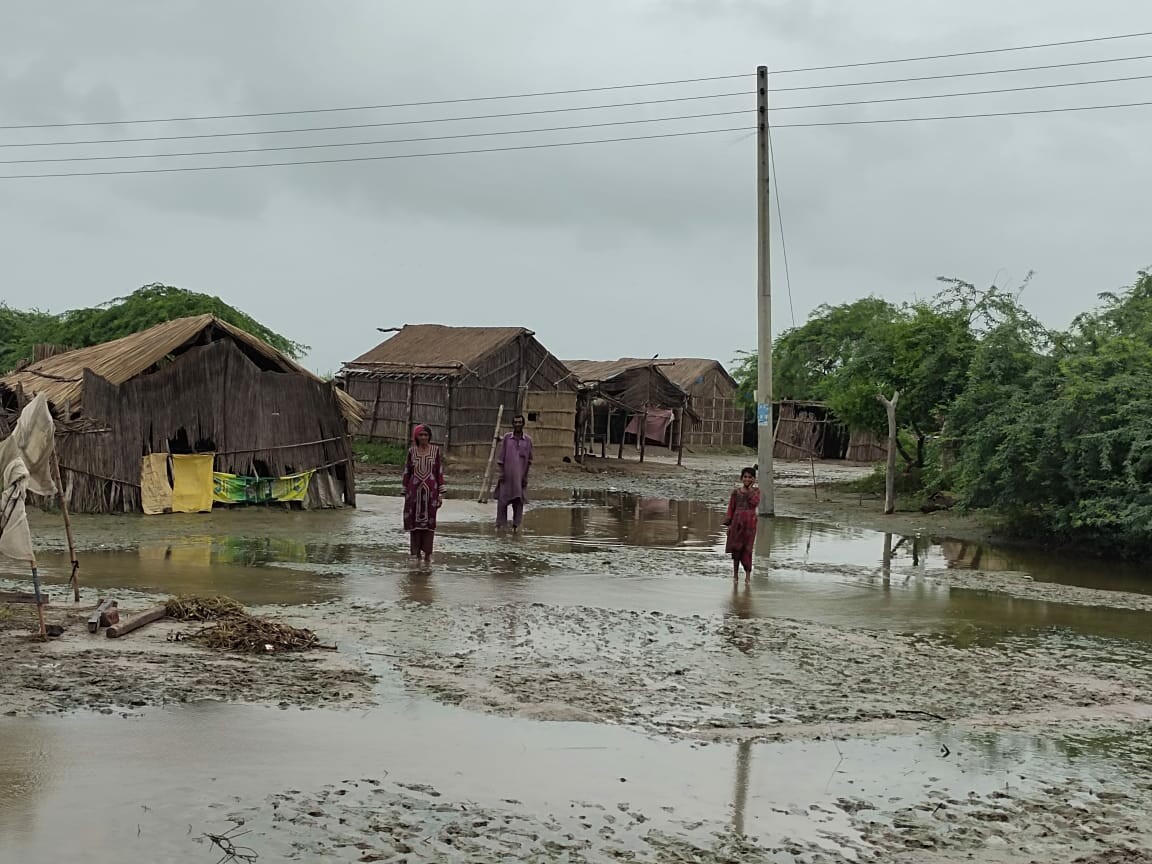
PAKISTAN, 7 September 2022 – Pakistan floods are getting worse with the death toll rising to 1,343 people while another 12,720 people were reported injured.

Currently, more than 33 million people have been affected, while 1,693,361 people have been displaced from their homes.

About 3.6 million acres of crops and orchards in Balochistan, Punjab, and Sindh are affected badly.

According to the Pakistan Telecommunication Authority, they received many reports of internet outages in central and northern Pakistan on August 19 that resulted from technical faults caused by heavy rains and floods.

As of now, Islamic Relief has distributed relief items such as tents, food packs, multipurpose grant cash, kitchen sets, hygiene kits, and tarpaulins to 52,094 individuals affected by the floods in Nushki, Quetta in Balochistan, Tank, and DI Khan districts in Khyber Pakhtunkhwa and Malir, Karachi, Thatta, and Mirpur Khas, Sindh.

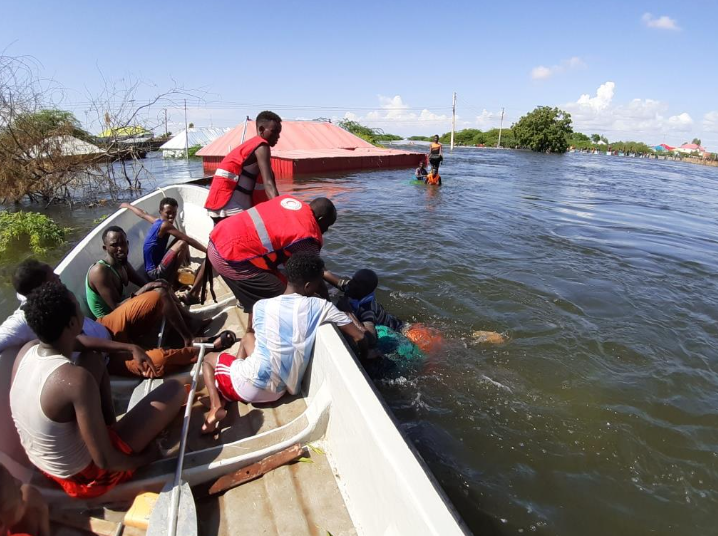
With the help of Rescue 1122, Islamic Relief has trained 50 volunteers and given them response kits such as jackets and boats so they could manage any emergency and evacuate people when necessary.

Every day, rescue personnel are evacuating at least 300 people and so far, have rescued over 1,000 people affected.

Islamic Relief responds to the Afghanistan earthquake

AFGHANISTAN, 11 August 2022 – About 925 families affected by the earthquake that hit Paktika, Afghanistan last June have received food packs and hygiene kits assistance from Islamic Relief.

Islamic Relief also plans for the recovery phase through a livelihood project.

To date, there are more than 20 ongoing projects implemented in Afghanistan by Islamic Relief.

Currently, people in Afghanistan are still facing the problem of limited access to food and basic necessities and loss of income due to the instability.

There are some challenges facing in Afghanistan. The banking system crisis remains the biggest challenge. The unpredictability of the prices and exchange rate in the market remains a challenge. The prices of commodities frequently fluctuate in the market.

Gaza death toll continues to rise as tensions escalate

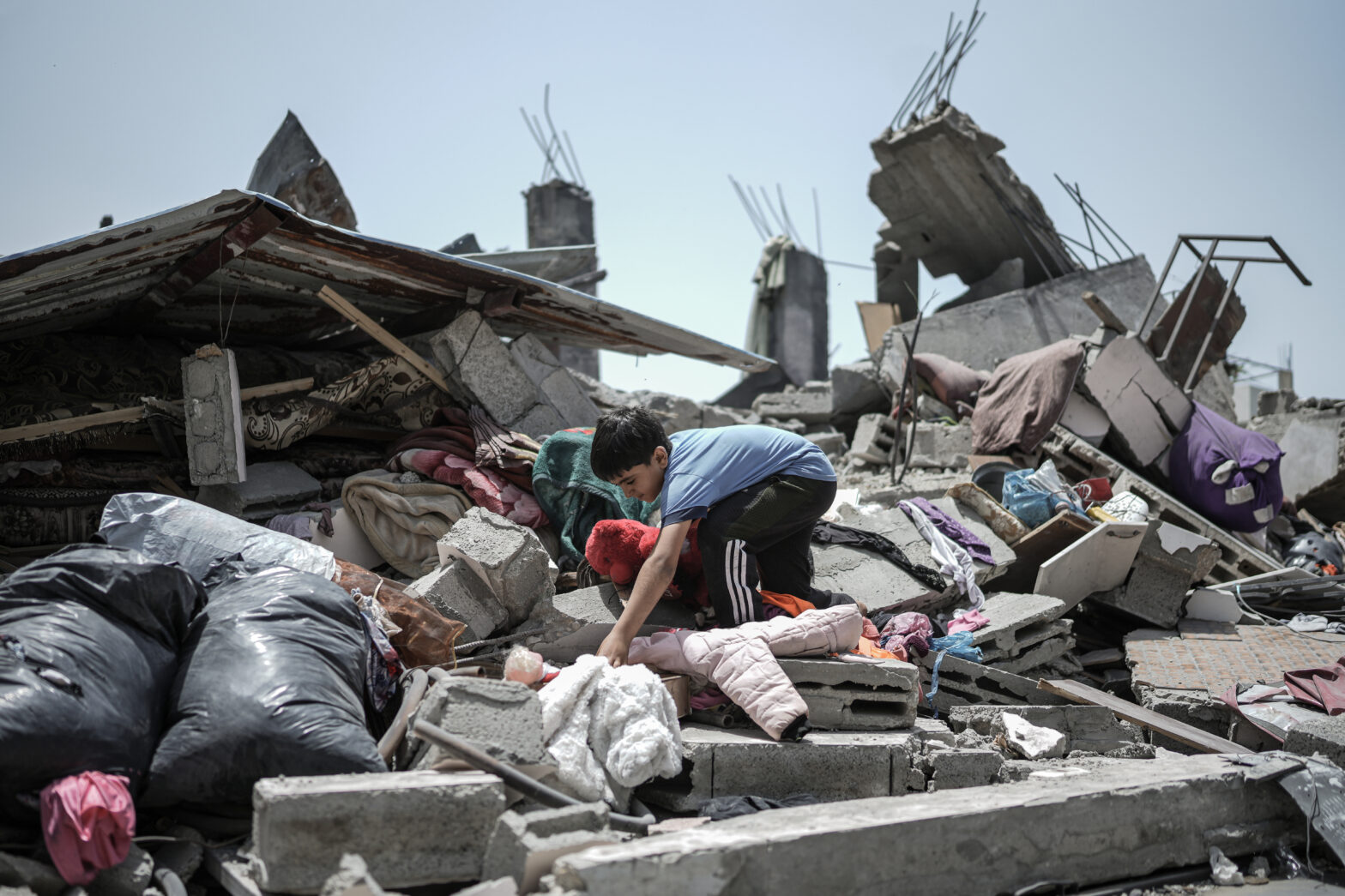
GAZA, 9 August 2022 – At least 46 Palestinians, including 16 children, had been killed, while 360 people were injured in air strikes on Gaza.

The air strikes damaged 1,761 houses and caused 450 Palestinians to lose their homes while 8,500 people were affected by the incident.

The ceasefire has been enforced since 7 August.

The Gaza Power Plant which shut down on 6 August because of significant damage has resumed operation.

Gaza borders are still closed for the sixth day in a row.

The Palestinian Ministry of Health declared that health services are only able to operate for 72 hours due to a shortage of medical supplies and medicine.

Islamic Relief is currently collaborating with local and international organizations in doing assessments to distribute emergency aid such as food, cash vouchers, and hygiene kits for those affected.

Islamic Relief calls for immediate end to escalating violence against civilians in Gaza

Islamic Relief is calling for Israel to immediately end the escalating violence against civilians in Gaza and to re-open the crossings where people and goods can enter and leave the enclave.

At least 29 Palestinians, including six children, have already been killed since Friday evening and Israel has said that it plans to step up military operations in the coming week. More than 250 Palestinians have reportedly been injured, including many children, and Islamic Relief is warning that further strikes will inevitably increase civilian casualties. Palestinian armed groups have also intensified rocket fire into Israel after the bombing, injuring seven Israelis. Islamic Relief condemns all violence against civilians.

Muneeb Abu Ghazaleh, head of Islamic Relief in Gaza, says:

“We’ve already seen children killed and homes badly damaged in the past 24 hours. Right now civilians in Gaza are terrified of what the next few days will bring. We know from previous years that when the bombing increases it is overwhelmingly civilians who are killed, injured and forced from their homes. During last year’s bombing campaign more than a quarter of all casualties were children, and thousands of homes, hospitals, schools and health centres were destroyed or damaged.

“As well as the bombing, in recent days Israel has closed the two crossings in and out of Gaza, stopping deliveries of fuel that are needed to keep hospitals, water systems and the electricity supply running. Now power is running out, we are facing power cuts of 20 hours a day and vital public services are at risk of shutting down.

“It is vital that the international community puts pressure on Israel to immediately cease bombing and re-open the crossings.”

Islamic Relief calls for respect for international humanitarian law, including the principles of distinction, precaution and proportionality. Civilians and civilian infrastructure must never be targeted and excessive and disproportionate force must not be used.

The latest escalation comes just over 14 months since the May 2021 ceasefire between Israel and Hamas following 11 days of bombing that killed at least 230 Palestinians, including 65 children, and wounded more than 1,700. Ten Israelis were killed. More than 14,000 Palestinian homes were damaged or completely destroyed. The ceasefire brought a temporary calm but nothing was done to address the root causes of the crisis and address the injustice and inequality at the heart of the ongoing Israeli occupation. Islamic Relief is calling for an end to the Israeli occupation, and the blockade of Gaza that accompanies it, and for a lasting solution that is rooted in international law and justice.

The situation in Gaza is horrendous. The 15-year-old Israeli blockade cuts people in Gaza off from other Palestinians and the wider world. It imposes tight restrictions on the movement of people and goods – preventing families from seeing each other, crippling essential services, and cutting off markets. It has turned Gaza’s once-vibrant economy into an area where 80 per cent of people now have to rely on aid and many children go to bed hungry at night. Gaza now has some of the highest youth unemployment rates in the world.

About Islamic Relief

Islamic Relief is a faith-inspired, development and humanitarian agency working to transform and save the lives of some of the most vulnerable people in over 40 countries. Islamic Relief assists people according to need and does not discriminate in any way.

Set up in Birmingham in 1984 by a group of volunteers, we have assisted over 117 million people all over the world. We’re saving lives and empowering people to lift themselves out of poverty in over 40 countries – from Bangladesh to Bosnia, Pakistan to Palestine, Kenya to Kosovo. Islamic Relief is on the ground in some of the world’s most dangerous and difficult places – including Syria and Yemen – strengthening the most marginalised communities to withstand conflict and natural disasters and to build a brighter future.