UN Refugee Summit: A quick guide

Find out what’s happening and how you can make a difference.


Q: When is the UN Refugee Summit?

A: Monday, September 19.


Q: Where is it?

A: UN Headquarters, New York.


Q: What’s it all about?

A: This is a chance to make the voices of refugees heard. The UN General Assembly is hosting a high-level Summit for Refugees and Migrants to address the unfolding global forced migration crisis. The aim is to bring countries together with a more humane and coordinated approach.


Q: What’s new?

A: This is the first time the UN General Assembly has called together governments and heads of state to discuss the large movements of refugees and migrants and it is a historic opportunity to draw up a blueprint for a better international response. It is a watershed moment to strengthen governance of international migration and a unique opportunity to create a more responsible, predictable system for responding to large movements of refugees and migrants.


Q: Why now?
rs22799_img_3065


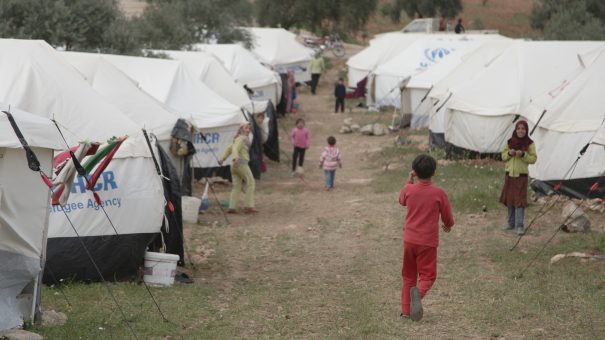
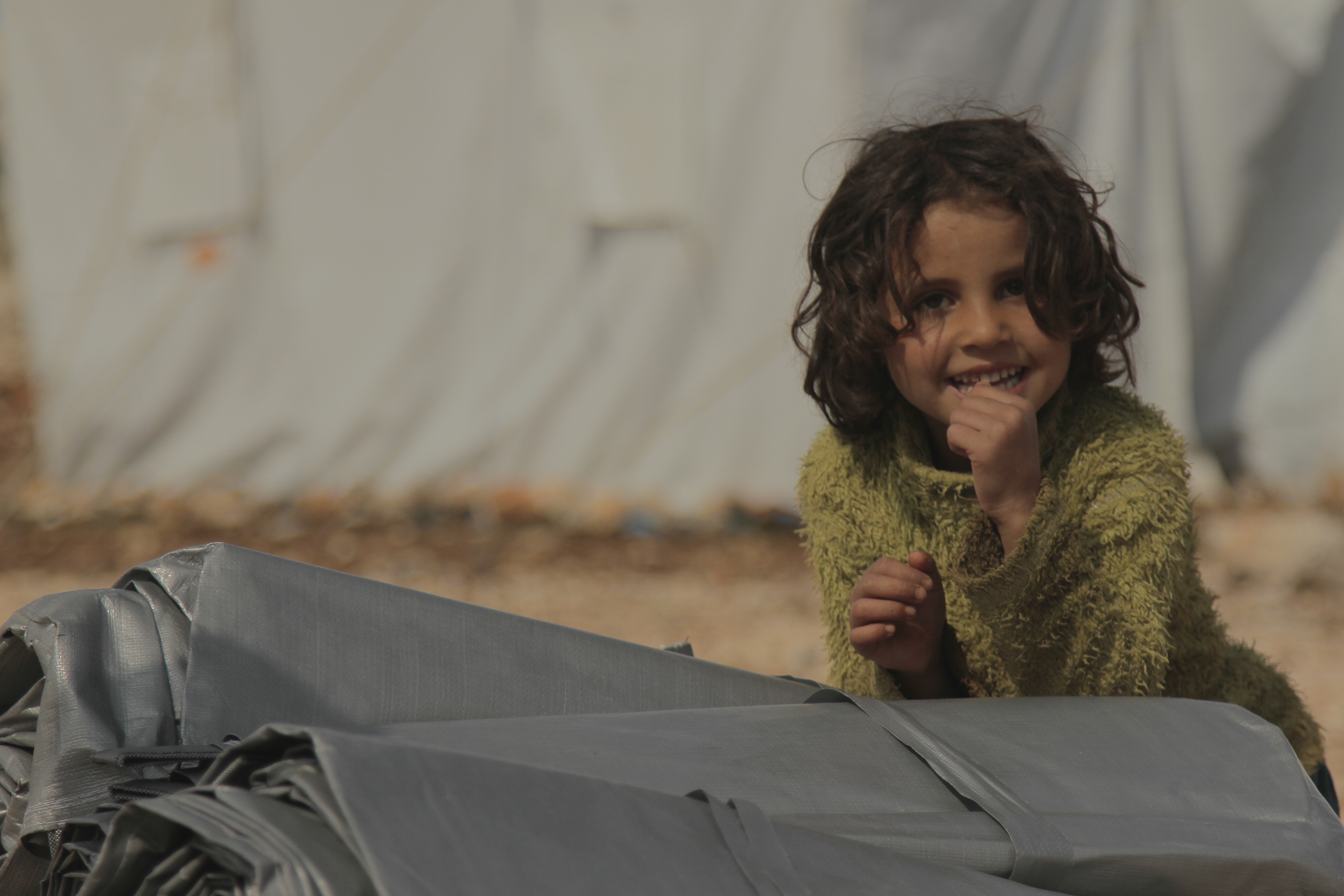
A: The number of refugees globally now exceeds 20 million – the highest figure for more than two decades. Increasing political instability and violent conflict are pushing thousands of families to flee their homes every day, leaving everything behind in search of safety. Unfortunately the international response to the forced migration crisis has been inadequate and in many cases nation states have failed to meet their basic commitments to refugees under international law. According to UNHCR figures, the world’s six richest nations (by the World Bank’s GDP ranking) are hosting less than 9% of the planet’s 65 million refugees, and many are demonstrating a strong reluctance to open their borders to refugees by exaggerating threats to security, culture and economic stability.


Q: What will it achieve?

A: Many refugees currently reside in countries that have failed to ratify the Refugee Convention and millions each year continue to be born stateless without access to basic human rights. It is clearly time to bring people together to discuss the growing needs and find more effective ways to respond.


Q: How can I help?

A: We will be sharing lots of useful information about the refugee crisis before and during the summit. You can follow us on Facebook and help us by taking one of the following actions:

  • Stand #WithRefugees and sign the global petition calling on world leaders to do more. It will be delivered to the summit on September 19 We are asking governments to ensure every refugee child gets an education, every refugee family has somewhere safe to live, and every refugee can work or learn new skills to make a positive contribution to their community.
  • Join the Solidary With Refugees March taking place in Parliament Square in London on Saturday 17 September where we will have an Islamic Relief block.


Q: Why is it relevant to Islamic Relief?

A: Since we first began in 1984, Islamic Relief has been committed to the protection of refugees and to the establishment of a more humane and productive response to hosting refugees and supporting their long-term resilience. With partners in over 40 countries worldwide, we provide life-saving assistance and support to refugees and forced migrant communities in countries including Afghanistan, Jordan, Kenya, Lebanon, Pakistan, Sudan, Syria, Tunisia, Turkey and Yemen.
 

ir-digi-winter


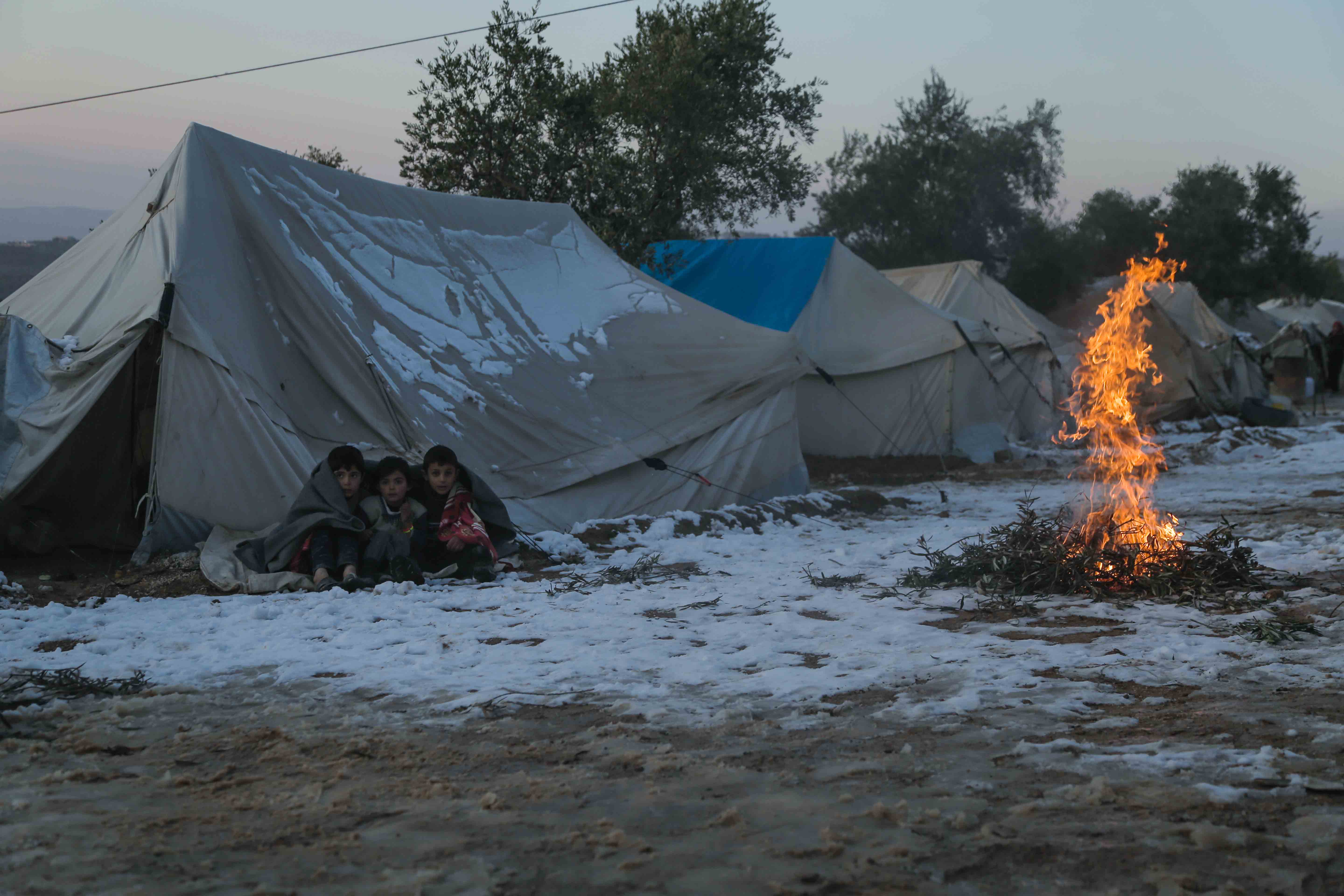
Forced migration crises disproportionately impact the developing world, with nine out of ten refugees being hosted in developing countries which are already struggling to meet the needs of their own citizens. Moreover, the modern forced migration crisis has taken a distinctly Islamic identity. The biggest refugee populations under UNHCR care are Afghans, Syrians and Somalis, collectively accounting for more than half of the global refugee total, while Pakistan, Iran and Lebanon host more refugees than any other countries. The former UN High Commissioner for Refugees, Antonio Guterres, recognised in 2012 that Organisation for Islamic Cooperation states were hosting approximately 50% of the world’s refugees – a percentage that has likely increased in recent years as a result of the crises in Syria and Iraq.

Q: What is Islamic Relief doing at the Refugee Summit?

A: Islamic Relief has listened to the concerns and needs of refugees across the world and will share these with government representatives and policy makers at the summit. We are launching two advocacy reports on the day of the summit, the first one is focused on the impact of the refugee crisis on children following an interfaith mission trip with the Lutheran Immigration & Refugee Service to Jordan, Lebanon and Turkey and one on the lives of female refugees and their livelihoods following a field trip to Iraq.

Islamic Relief is also convening the Faith & Migration working group meeting with the Joint Learning Initiative on September 19 where faith based organisations will come together to discuss best practice and how faith based local communities can support refugees. Islamic Relief has been working with other key NGOs including ACT Alliance, OIC and LIRS to prepare for the summit.

At the summit itself, Islamic Relief will engage with key policy makers, government representatives and take part in civil society marches standing in solidarity with refugees in both New York and London.

See the eight key messages we’re taking to the summit here.

Q: What does Islam say about refugees and forced migration?

A: Islam has a rich heritage of forced migrant protection, stemming from the original teachings of the Qur’an and examples from the lives of Islamic prophets. Central to the Islamic tradition are the concepts of welcoming and dignity.


rs22792_800-img_8296


The Qur’an calls on humankind to fulfil the role of protectors and helpers to “those oppressed men, women and children, who cry out, ‘Lord, rescue us from this town where people are oppressors!’” (Qur’an 4:75), and promises that those escaping persecution will find “many a refuge and a great plenty in the earth” (Qur’an 4:99).

Islamic teachings emphasise that refuge is the divine right of the persecuted, and humankind has the responsibility to provide shelter and protection to those in need, wherever they seek it.

Dignity is considered a central aspect of human identity, as the Qur’an speaks of how God “honoured the children of Adam” (Qur’an 17:70). Protecting human dignity is therefore a critical responsibility. Rather than treating forced migrants as social and economic burdens, the Qur’an commends those who “show love for those who migrated to them” and “give [the migrants] preference over themselves even if [the hosts] too are poor”. (Qur’an 59:9)

Forced migrants are to be regarded as brothers and sisters, afforded the same rights and protection as all citizens, and should be encouraged to attain independence and self-sufficiency in their new communities.
Interview on Syria ceasefire from Islamic Relief worker

“We are preparing for the worst,” says Ahmed Mahmoud.

It has been almost 24 hours since a ceasefire came into effect in parts of Syria.

Thankfully it seems to be holding with no reports of casualties since sunset last night.

Below is an interview with Ahmed Mahmoud, who is working for Islamic Relief on the Turkey/Syria border, who was interviewed this morning on BBC World Service about the impact of the ceasefire on the access to besieged areas and the delivery of humanitarian aid.


Nebras Elhelow: Tribute paid to fallen hero of Islamic Relief

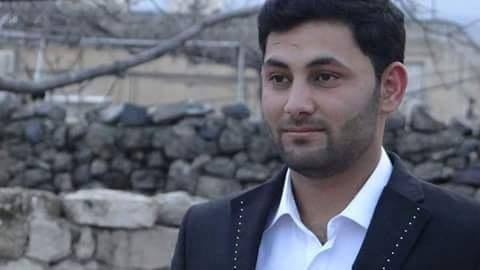
A year ago, on August 31 2015, Islamic Relief lost one of its finest. Nebras Elhelow, a young Syrian volunteer who risked his life every day to deliver aid, lost his fight for life aged 27 after having both legs amputated following massive injuries in an air strike.

The name ‘Nebras’ means ‘role model’, which could not be more fitting. He lives on in our hearts because he was an outstanding person – energetic, selfless, bravely serving the people he loved in the face of a brutal and unrelenting conflict.

The kind of work he did is a lifesaver for those who benefit from it but life threatening for those who do it.


See the inspiring stories of our humanitarian heroes here.


The story of Nebras’ life and death deserves to be told, not only to honour his memory but also to remind us of the huge human cost of the Syrian crisis – and the imperative to leave no diplomatic stone unturned in resolving what has become the worst humanitarian emergency of our time.

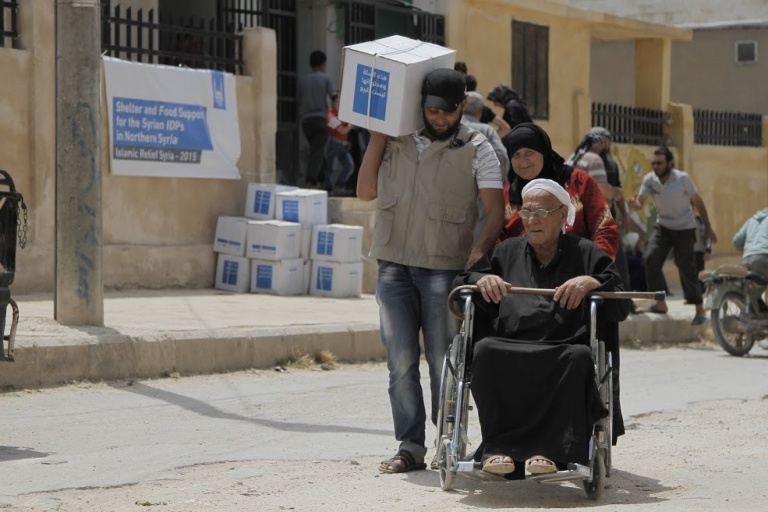
Islamic Relief is working harder than ever to support those in need, deep inside Syria and in the neighbouring countries where millions are living as refugees.

Thanks to the generosity of the British public and many more around the world, we have been able to assist more than 6.5 million Syrians with £140 million worth of aid since the conflict began.


Nebras-IR-food-and-shelter-768x512

Before the Syrian crisis began Nebras was close to completing his university degree, and looking forward to his future career.

His studies were cut short when the crisis took hold in 2011, and the devoted student became a dedicated volunteer aid worker, initiating relief work all over his home region in northern Hama.

First he volunteered to keep his local bakery going, when the staff fled in fear for their lives. He then left town himself as the aerial bombardments intensified, taking refuge in a small village in the Idlib area and living in a small single room in the shell of an unfinished house.

Early in 2014 Nebras got married and remained with his young wife in their tiny single room, living and working alongside the displaced families he served. He worked night shifts for local construction projects and bakeries so that he could continue to serve as a volunteer during the day.

Just months before Nebras was killed, his wife gave birth to a daughter. Sadly she survived less than three weeks, falling prey to illness that could not be properly treated in an area where health services had virtually collapsed.

Nebras dreamed of being buried in his home town but that simple dignity was denied him – the town was besieged and so he was laid to rest in a small village nearby instead.

A year on, the vital work he started lives on through Islamic Relief, and we will keep it going for as long as the crisis continues – with due respect and high regard for one who paid the ultimate price for helping those in need.

Aleppo: Chlorine attack captured in pictures and video

‘Children were convulsing’ say staff on the ground

Children walk the streets, using their hands to mask their mouths.

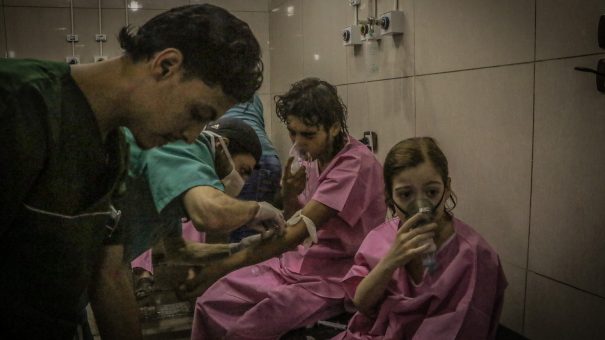
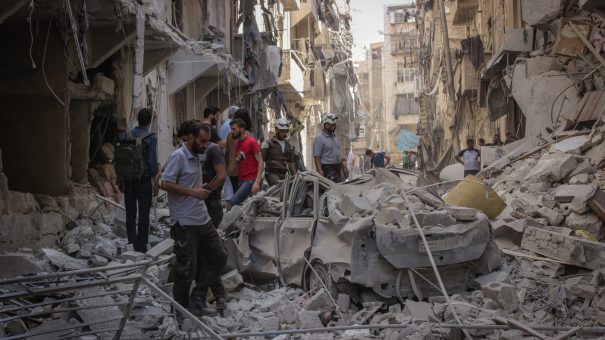
The pictures below show the devastation of this week’s bombardment on Aleppo, with the area around Sukkari reduced to rubble and its residents choking on chlorine.

In the second chlorine attack to hit the city, there were reports of barrel bombs being dropped by helicopters.

Speaking from the Bustan Al-Qasr neighbourhood, nicknamed “the Passage of Death” after being targeted by snipers, Islamic Relief’s media officer, Tahir Al Sabsabi, said: “Some of these barrels contained a chlorine solution.

“The smell was very strong and overpowering.

“Children were convulsing because they had breathed in the chlorine gas.

“The civil defence rescuers suffered a lot and had to be taken to hospital and medical centres because of the chlorine.”


It’s understood that more than 100 people were injured in the attack, with reports that at least one man had died.

Rescuers and medical staff have been relying on basic equipment to save lives.

Islamic Relief is working on the ground deep inside Syria since 2012 and also in neighbouring countries.

We’ve reached over 6.5 million Syrians so far.

More pictures click here —> http://www.islamic-relief.org/aleppo-chlorine-atta…

Qurbani: See the difference this special meal makes

Around the world, Islamic Relief teams are rolling out a distribution mission on a vast scale.

Providing the highest quality Qurbani meat to families living in desperate circumstances, our teams know that for many people, this could be the only taste of meat they get all year.

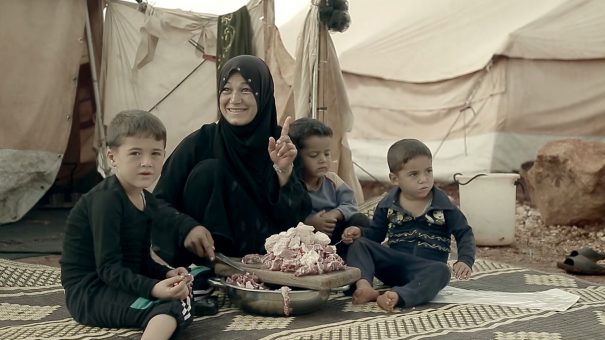
Em Abdo fled her home in Syria after pulling her little boy from the rubble of the destroyed building and now lives in a camp.

She said: “We now spend our Eid living under the trees… Is this really Eid?!

“Truly, this is not Eid.”


This Eid Islamic Relief aims to deliver Qurbani across 29 countries so that Em Abdo, and families like hers, can share a special meal together.

Siham, from Idlib, is in the same situation, struggling to give her children a normal life in the camp.

She says: “I think they haven’t tasted meat since last year’s Eid.

“It is just not possible to have meat anymore.”

Both mothers were among 3.3 million people who benefited from Islamic Relief’s Qurbani distributions last year.

This year we hope to reach even more.

“It was extremely difficult to witness his suffering”

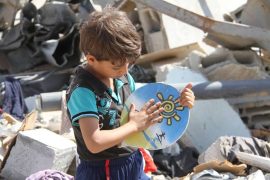
“Two days after that visit, war blew up in Gaza and days later, Yousef’s neighbourhood was hit when a ceasefire was announced for few hours I went to visit and was shocked as I could not recognize the area.

“Everything had changed. Massive destruction was everywhere – damaged houses, destroyed sewage networks, severed electricity wires, and rescue teams searching for dead bodies. We walked over the rubble, and I was hardly able to move or identify the scene around us.


“When we reached the place where Yousef used to live, rubble was everywhere putting an end to all his hopes and dreams. In front of this catastrophic scene, Yousef failed to hide his shock when finding that all his toys were broken.

“It was extremely difficult to witness his unbearable suffering after seeing his previous happiness.

“Misery can be seen in the eyes of those injured kids waiting for their parents in Gaza hospitals. Shima’a is one of those children who spent days in a hospital waiting for her mom to come, unknowing that she passed away days ago.

“What is most difficult in Gaza is that you find yourself helping the needy today fearing that you, yourself, will be one of those asking for relief tomorrow.”