Catastrophic flooding in Sudan

SUDAN, 1 October 2020 – Catastrophic floods following heavy downpours since mid-July have driven up the number of casualties to over 120, critically affected more than 830,000 people, and resulted in widespread damage.

The heavy downpours have affected 18 states including Eastern, Northern, and Western Sudan, causing River Nile to overflow which triggering floods and landslides.

The authorities have declared a three-month state of emergency all over the country, requested for international assistance, as well as announced that the death toll from torrents and floods has risen to 128 since last June.

Humanitarian organisations in Sudan have reached over 350,000 people with life-saving assistance due to the worst floods that threaten more damages to hit the country in three decades.

Nearly 16,000 latrines were destroyed, access to water to more than 100,000 people in the Blue Nile was hampered due to the damaged of the Bout Dam, and thousands of farms were affected compromising the harvest and the food security of thousands of families.

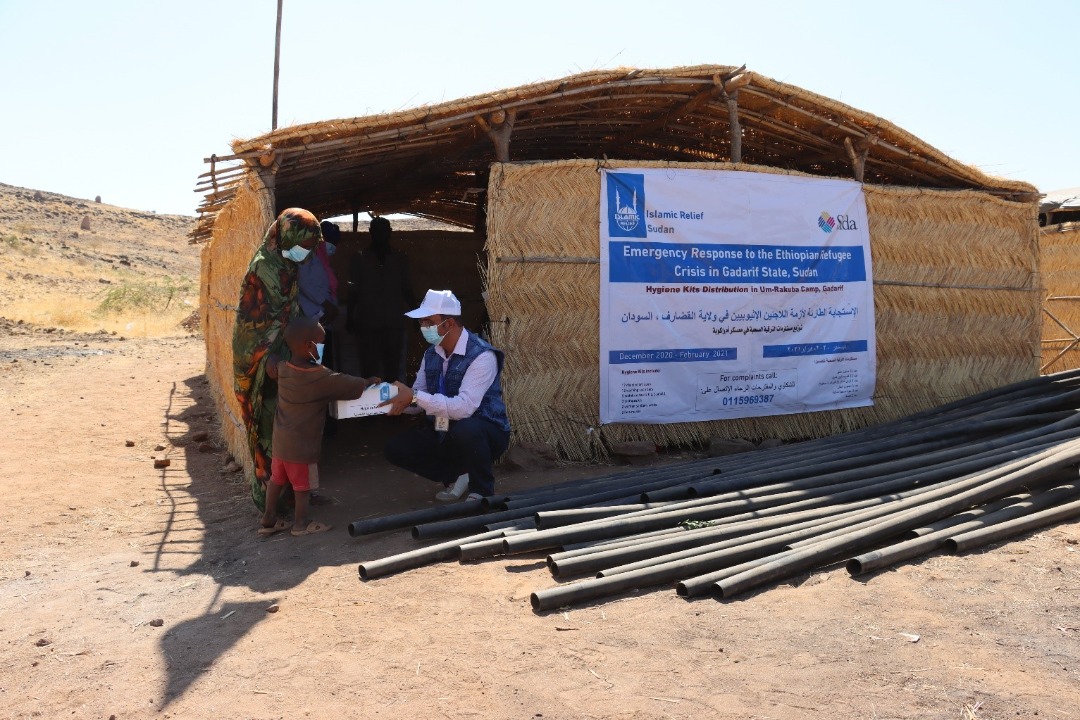
Islamic Relief is currently in the early stages of initiating response activities apart from continuing the distribution of NFIs and hygiene kits to thousands of households.

Ongoing Conflict and Violence in Mali

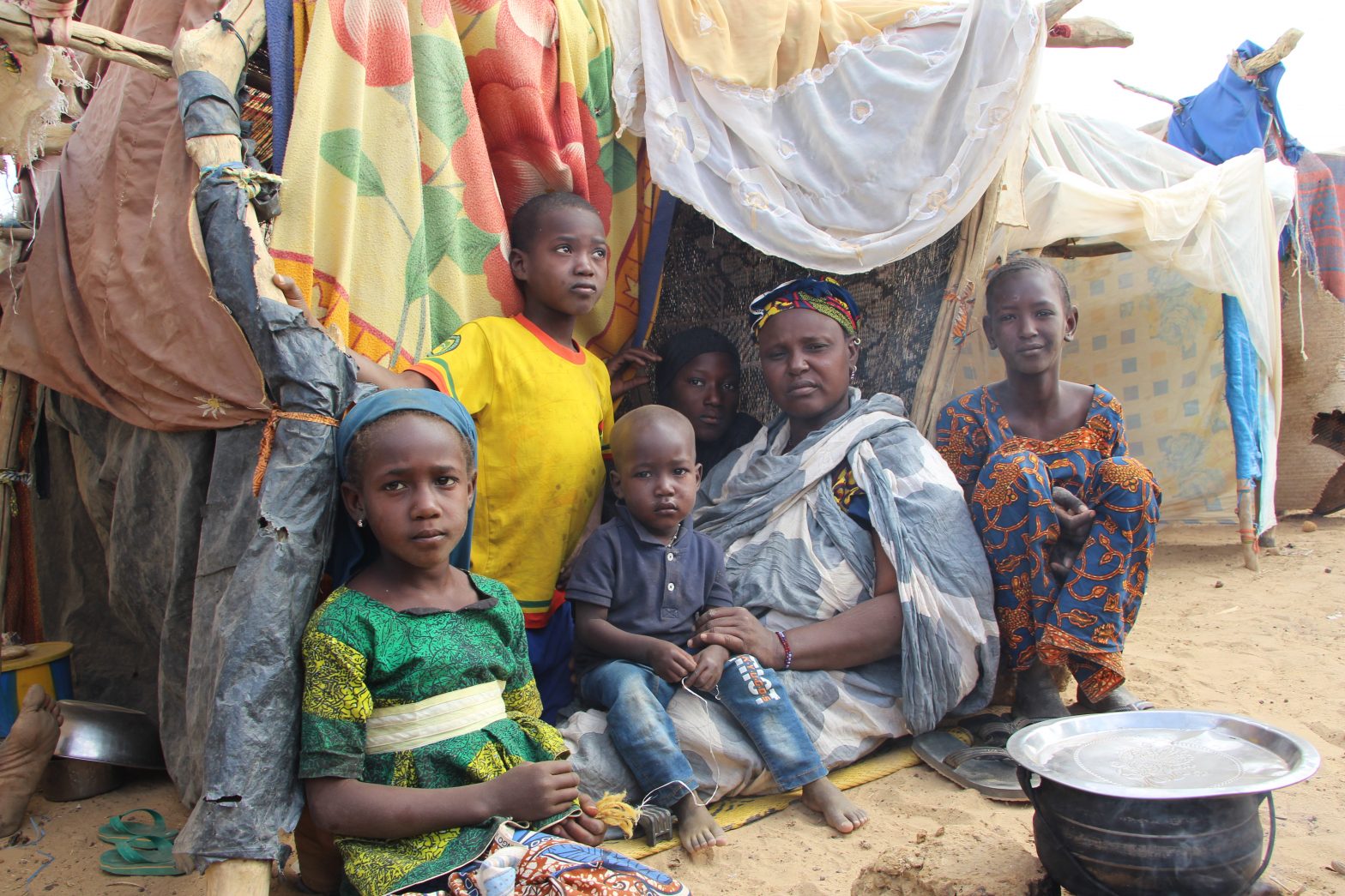
MALI, 25 September 2020 – A total of 5,662 people have been forced to flee their homes due to an attack done by Barkhane in Benzena, Malaki, Talawat, in the community of Inadiafatane, Ghourma Rharous at the end of the last August. Meanwhile, an attack in Tinbamagueye, Issetane, and Azalamzalem happened in September.

Conflicts that occur between the armed groups have killed some people and arrested community elders.

Islamic Relief staffs have started to mobilize the affected areas to identify the emergency needs since 15 September.

Based on the rapid needs assessment, the urgent needs identified are shelters, food, water, sanitation & hygiene kit (WASH), and non-food item (NFI).

This aid also become one of the solutions to avoid any transmission of the COVID-19.

Further assessment following the fire in Moria refugee camp

GREECE, 24 September 2020 – The Disaster Risk Management Department deployed a staff member to Lesvos to conduct a needs assessment following the fire that occurred in the Moria camp.

According to The United Nations High Commissioner for Refugees (UNHCR), 9,100 people have been transferred to the new Kara Tepe site after about 13,000 people lost their shelters following the fire incident in the Moria refugee camp which was designed to house only 2,750 people.

Some people are returning to the Moria camp to salvage items mainly NFIs, hardware, and utensils.

The new site proximity to the sea made it susceptible to flooding and high winds.

Many facilities including the reception and identification centre, asylum centre, and Intensive Care Unit have been either destroyed or suffered serious damage.

The fire broke out following protests against the quarantine implementation after 35 cases of Covid-19 were confirmed last week.

A four-month state of emergency has been declared on the island based on public health concerns.

The immediate life-saving needs, food, water, and NFIs are being covered.

Affected people require urgent support in legal, psychosocial, and mental health due to the high level of distress because of the incident.

UNHCR, the Greek Army, implementing partners, and local organizations are delivering assistance.

Islamic Relief is working closely with other organizations in Greece to explore a potential response.

Huge Explosion in Military Depot, Jordan

Jordan, 11th September 2020 – A huge explosion has occurred in a military warehouse in Zarqa, Jordan caused by an electrical short circuit followed by a fire.

The location places several Jordanian military bases and depots which is located 35 kilometers from the capital Amman.

No casualties and injuries were reported because the depot was in a remote and uninhabited area.

However, the explosion was also felt by the residents in the neighborhood. They are also finding shattered glass outside their homes.

Beirut Urgently Needs Aid

BEIRUT, 8th September 2020 – After one month of an explosion tragedy, there is still so much to do in Beirut, Lebanon’s to recover.

As of 6th September, there are 20,426 COVID-19 cases recorded across Lebanon includes 703 health workers, and the hospital continues to be overwhelmed

Personal protective equipment (PPE) for daily use by communities are in short supply as Lebanon is in Phase 4 of the COVID-19 outbreak with multiple clusters and community transmission widespread in many areas.

According to United Nations Economic and Social Commission for West Asia (UNESCWA), over 50 percent of the population in Lebanon might be at risk of failing to access basic food needs by the end of 2020.

The explosion of 737 buildings of water systems and 470 buildings of wastewater system has been damage while 5,909 roof tanks need to be repair and substitute.

As of now, Islamic Relief has distributed 3,577 food packs benefitted to 17,885 individuals for one month.

Each of the food packs consists of dry ration such as lentils, rice, chickpeas, ghee, vegetable oil, flour, tomato paste, sugar, groats, and vermicelli.

There are 1,279 families received hygiene kits includes PPE, and an estimated 10,000 individuals benefitted from the removal of debris and rubble piles in different areas.

99 People Died, Sudan Declares Three-Month State of Emergency

SUDAN, 7 September 2020 –Sudan’s Security and Defense Council has declared a three-month state of emergency due to flooding that has killed 99 people.

The floods have affected 500,000 people, injured at least 46 people, and damaged more than 100,000 homes.

According to local authorities, the floods caused by heavy seasonal rain in Ethiopia led to rise highest level of River Nile.

Khartoum, Blue Nile, River Nile, Gezira, West Kordofan, and South Darfur are amongst the most affected areas.

Currently, Islamic Relief Sudan is developing an Emergency Response Plan and working closely with other humanitarian agencies such as the United Nations (UN) to help those affected.