Islamic Relief provides rapid response to survivors of the Bangladesh floods

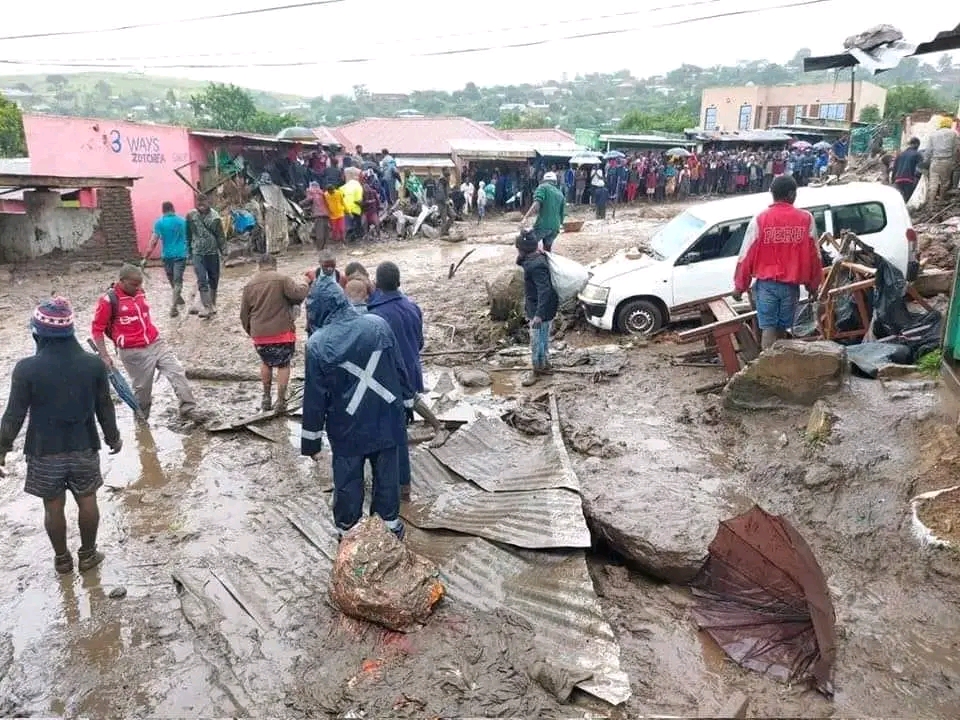
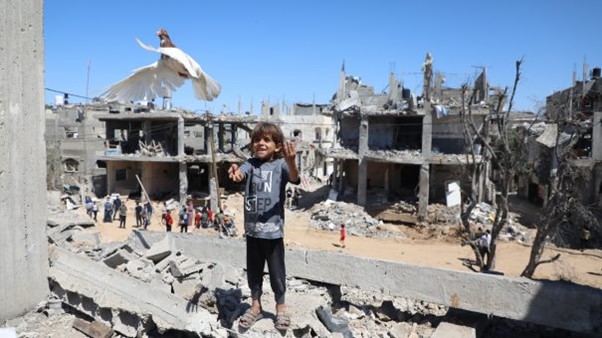
BANGLADESH, June 22, 2022 – More than 100 people have been killed in the devastating floods that hit Bangladesh and India while millions of people are still stranded.

Houses, farms, and property have been damaged, washed away, or completely covered in the flood water.

Islamic Relief Bangladesh has been working on the flash flood response immediately to help those affected since May 27 by distributing food packs, hygiene kits, and a multipurpose cash grant.

Apart from that, sharing sessions on hygiene promotion and safeguarding during floods were also conducted by Islamic Relief while search, rescue, and evacuation of those impacted were still being carried out in Sylhet and Sunamganj areas.

According to Akmal Shareef, Country Director of Islamic Relief Bangladesh, one of the Islamic Relief field offices was also affected by the flood. However, the emergency response is still continues since many people run out of food supplies and need urgent response to survive.

“We didn’t know the value of peace, until we didn’t have it anymore”

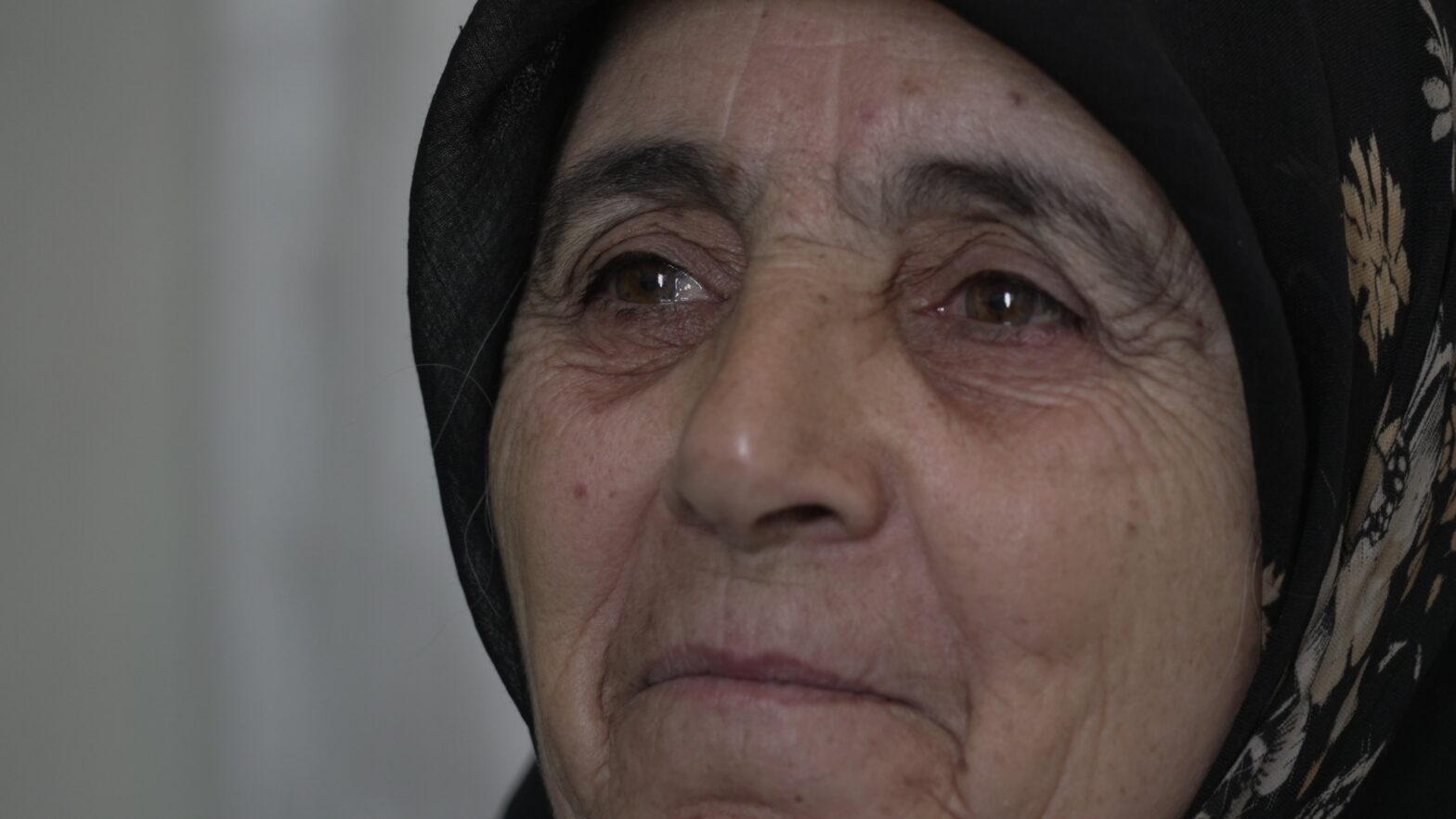
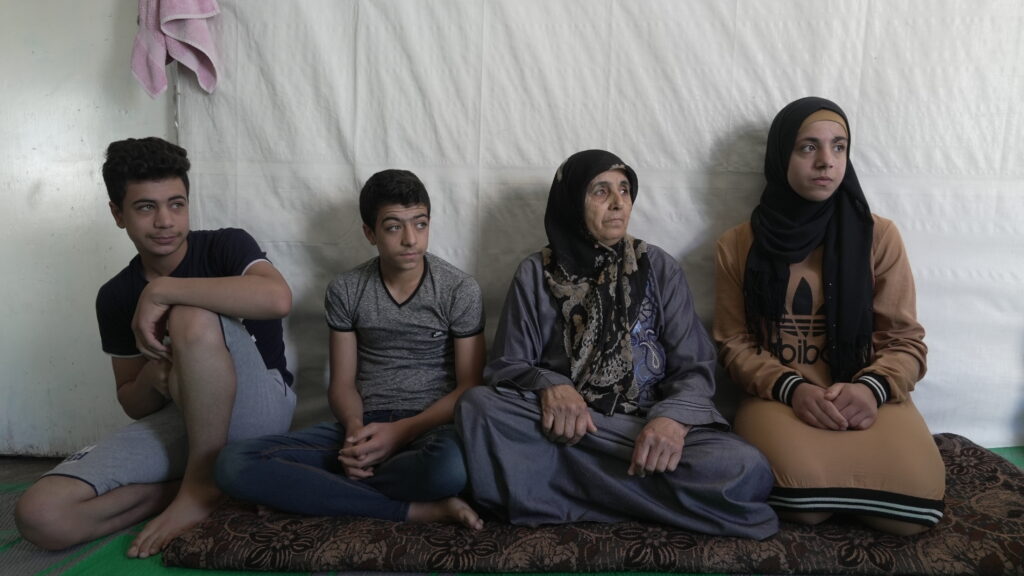
Today marks World Refugee Day, a day dedicated to honouring refugees from around the world. This year, we’re shedding light on 75-year-old Bayan’s story, whose family were forced to hide in the wilderness without food or drink in order to escape conflict in Tigray, Ethiopia. Now, thanks to Islamic Relief’s project which is supporting Tigray refugees, he and his family live in a camp in Sudan, where he uses his Arabic language skills to help the community.

Bayan fled his hometown of Barakht village, Humara, Ethiopia, after armed groups invaded the town. When gunfire erupted, he and his family had to leave all their belongings behind and

“I will never forget that day. My world collapsed when the violence broke out and I couldn’t believe what was happening. Everyone was panicking as we heard gunshots and people screaming. It’s the type of thing you see on the news, but don’t expect to be caught up in.

“My wife was cooking when the war began. We went from making lunch for the children to picking them up and running for our lives. It was intense. A lot of people were killed, and some were injured. We didn’t know the value of peace, until we didn’t have it anymore” says Bayan, describing how he lived happily with his wife, children and grandchildren before the conflict began.

Finding hope after loss

After fleeing his home and struggling without food and shelter, Bayan eventually settled in Tunaydbah camp in eastern Sudan.

“We had a good life at home. I miss spending time with my friends and having freedom. Life in the camp is difficult and we don’t have many food options. We only have oil, lentils and bread, and need other things like vegetables and sugar to have a more balanced diet. However, these items are difficult to get hold of.

“We have health clinics in the camp, but there is a shortage of medicines. Accessing education is also difficult here, and my youngest son is unable to go to school”, says Bayan.

Despite the challenges of adjusting to a new life at the camp, Bayan has hope that peace will be restored in his country and spends his time supporting other Ethiopian refugees in the camp.

“A lot of people in my community, especially the women, don’t understand the language here. They need help and I try to support them,” explains Bayan, who speaks Arabic which is the official language in Sudan. He is now considered to be a community leader in the camp.

“God tells us never to lose hope”, he says.

An urgent call for support

Refugees in Ethiopia and Sudan are in urgent need of help amid a dire humanitarian situation. Continual droughts amid conflict in several countries in the horn of Africa has left many families extremely vulnerable. Millions of people do not know where their next meal is coming from amid livestock deaths, soaring food prices, and water scarcity.

There is a risk of food running out in refugee camps, which will mean that families will be forced to sell their few belongings or resort to dangerous measures to be able to feed their children.

Islamic Relief is working to support around 30,000 refugees in Tunaydbah and other camps in the Gedarif state of Sudan. We’re providing those living in camps with food, water, sanitation and hygiene items and education support. We have also installed a new solar-powered lighting system in Tunaydbah camp to help keep people safe at night.

We urgently need your help to continue this vital work: please donate to support our crucial work to support refugees and migrants.


“I was scared for my life so I fled with my family, mother and brother. We had to pay 2,000 Ethiopian birr ($44) to cross the Blue Nile river to Sudan.”

“I have two daughters, Ledia, 8-years-old, and Salam, 2-years-old.

“I used to be a store keeper for 10 years back home. I searched for a job here but with no luck. My husband works as a labourer in the camp.

“WFP provides us with monthly food rations. Water is accessible and clean but we don’t have medicine. My eldest daughter goes to school in grade 1. She is facing a difficulty adjusting to Sudan’s education system. The children lack child friendly spaces here.

“I cook for my family and wash my children’s clothes and use the bathing facility.

“I know about Islamic Relief from Qurbani distributions. I ate good meat; I haven’t eaten meat for 6 months.

“Before Islamic Relief constructed the bathing facility, I used to bathe my children in a basin at my tent. The dirty water accumulated on the ground which caused flies to infest the area. The bathing facility is more hygienic because it has a drainage system.”

Barakhti’s brother, Mabrahtum, is a teacher of 11 years. He is currently an English teacher at Islamic Relief’s Education Cannot Wait (ECW) schools.

Mabrahtum (which literally translates to enlightment) says, “I love teaching, I like to see children have more knowledge. I raise awareness on hygiene among high school students. I don’t allow children to play around latrines to protect them from falling into the latrine and from diseases.

“I need a job.

“I wish for peace and to go back to my country. I also hope my children have a proper education.

“I would like to thank Islamic Relief for constructing the bathing facility.”

Islamic Relief proactively delivering assistance in Afghanistan

AFGHANISTAN, 3rd June 2022 – Islamic Relief has distributed 60,670 kilograms of seeds, 28,225 kilograms of fertilizer, and 600 agricultural tools in Balkh, Bamiyan, Herat, and Nangarhar under the livelihood project in May 2022.

This assistance is to help the beneficiaries generate their income and produce their food sources.

Islamic Relief also provided 1,539 goats, 153.9 tonnes of fodder, and 6,600 agricultural tools as part of a livelihood project to support their economy.

It is also part of the solution to help them face staple market prices which continue to rise meanwhile the hunger issue becomes more chronic.

According to the Integrated Food Security Phase Classification (IPC), nearly 20 million people in Afghanistan are classified in crisis or emergency of food shortage phase 3 or 4, while another 20,000 people are in phase 5 starvation.

Since August 2021, Islamic Relief has distributed 59,820 food packs, 2,630 water storage kits, 4,875 hygiene kits, 7,617 winterization kits, and 2,600 non-food items in Afghanistan.

In addition, Islamic Relief also provide healthcare services for psychosocial and malnutrition, distributes newborn baby kits, Covid-19 infection prevention kits, and cash assistance for referral services.

Islamic Relief proactively delivering assistance in Afghanistan

AFGHANISTAN, April 15th, 2022 – An estimated 97 percent of Afghanistan’s population will be pushed into extreme poverty by the end of June, meanwhile, 95 percent of Afghans are facing a worsening threat of hunger due to food shortages according to the World Food Program (WFP) report.

Thus, Islamic Relief continues to proactively deliver assistance to the Afghan people in collaboration with other non-governmental organizations (NGOs) such as the United Nations Office for the Coordination of Humanitarian Affairs (UNOCHA), the United Nations Development Program (UNDP), Christian Aid, and Disaster Emergency Committee (DEC).

Since August 2021, Islamic Relief has distributed 29,366 food packs to Afghans in Kabul, Kapisa, Herat, Kandahar, Nangarhar, Balkh, and Bamyan.

The other assistance which also been delivered were winterization kits, non-food items (NFI), hygiene kits, water storage kits, and agricultural equipment.

Islamic Relief also runs projects in the livelihood sector by providing livestock such as goats to enable those affected in Nangarhar to generate their income as an intervention response.

In addition, Islamic Relief has provided healthcare provisions to 30,750 patients, distributed 385 newborn baby kits, and 1,397 Covid-19 infection prevention kits, and also provided psychosocial support to 930 people in Afghanistan.

Thousands of people in Somaliland lost their assets and livelihoods

SOMALILAND, April 14th, 2022 – Over 28 people were reported injured and hundreds of shops and stalls in the central market of Somaliland were destroyed in a huge fire incident on April 1.

The fire started in Waheen market in Hargeisa on Friday night and continued until the next day due to constraints faced by the firefighters to access the market road which is so crowded.

The cause of the blaze is still unknown, and no casualties have been reported.

Thousands of people have lost their property and livelihood.

The incident has caused a huge loss because 40 to 50 percent of the city’s economic resources depend on the market business.

An estimated cost of damage including buildings, business assets, and other properties could run into billions of USD. President of Somaliland, Muse Bihi Abdi announced, that the government would allocate 1 million dollars to help those affected.

Islamic Relief Somalia is conducting an assessment to identify the possible intervention that can be channelled such as providing microfinance grants to tenants in the Waheen market and assisting local authorities to rebuild the central market.