Banjir Di India Ragut 251 Nyawa

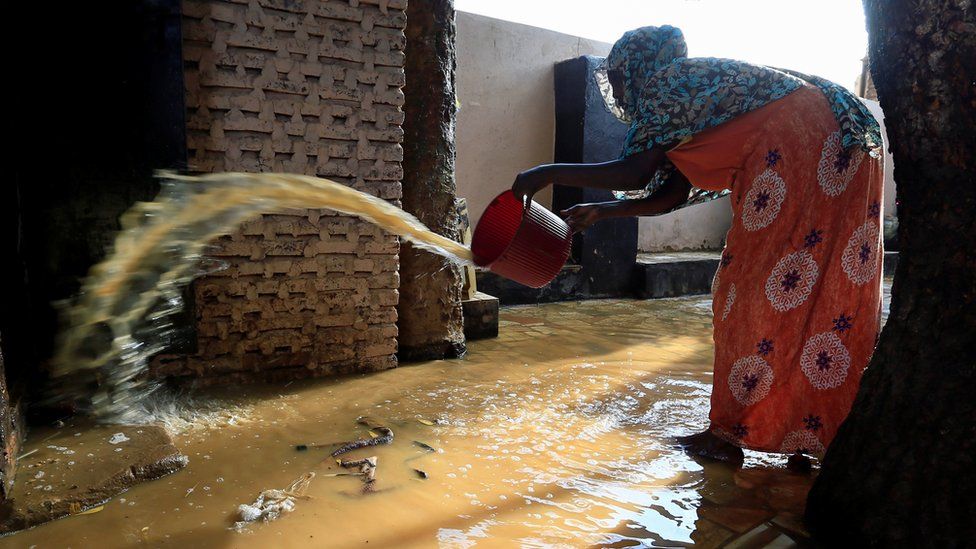
MAHARASHTRA, 27 Julai 2021 – Seramai 251 orang terkorban manakala 50 lagi cedera dalam insiden banjir dan tanah runtuh yang melanda kawasan barat Maharashtra, India ekoran taburan hujan lebat sejak 22 Julai lalu.

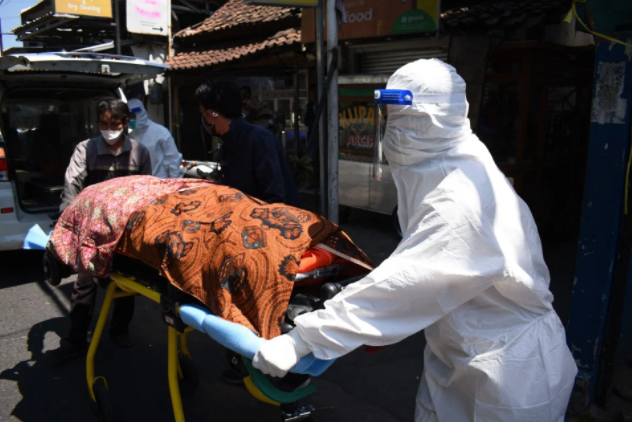
Lapan orang pesakit Covid-19 di hospital bandar Chiplun, Ratnagiri juga terkorban berikutan air banjir sudah memasuki kawasan itu.

Sepuluh daerah yang dilaporkan terjejas teruk melibatkan kawasan Kolhapur, Raigad, Sangli, Satara, Ratnagiri, Thane, Mumbai Suburban, Sindhudurg, Pune, Wardha.

Seramai 229,074 orang telah dipindahkan ke lokasi yang lebih selamat.

Sebanyak 253 pusat bantuan telah diwujudkan di Kolhapur dan enam lagi di Ratnagiri bagi menempatkan 7,832 orang penduduk terjejas.

Setakat ini, 3,284 haiwan terkorban di kawasan terlibat manakala di daerah Sangli sahaja, 17,300 haiwan ternakan dilaporkan turut mengalami nasib yang sama.

Kerja-kerja menyelamat dan aktiviti penyaluran bantuan telah dilaksanakan oleh Unit Kawalan Pantai, Tentera Laut dan Darat India.

Mereka banyak tertumpu di kawasan Ratnagiri dan Raigad manakala pasukan Tentera Udara India pula tertumpu di Chiplun Ratnagiri.

Kerajaan pusat dan kawasan setempat telah mengambil langkah drastik dengan mengarahkan 34 pasukan ‘National Disaster Response Force’ (NDRF) dan empat pasukan ‘State Disaster Response Force’ (SDRF) untuk membantu penduduk terjejas.

Perdana Menteri India, Narendra Modi mengumumkan bantuan pampasan lebih RM11,000 akan diberikan kepada keluarga individu yang terkorban manakala pampasan untuk penduduk cedera pula sebanyak lebih RM2,800 seorang.

Islamic Relief India kini sedang memantau keadaan semasa dan sentiasa bersiap siaga untuk membantu penduduk terjejas.

150 Keluarga Terjejas di Sabah Terima Bantuan Pek Makanan COVID-19

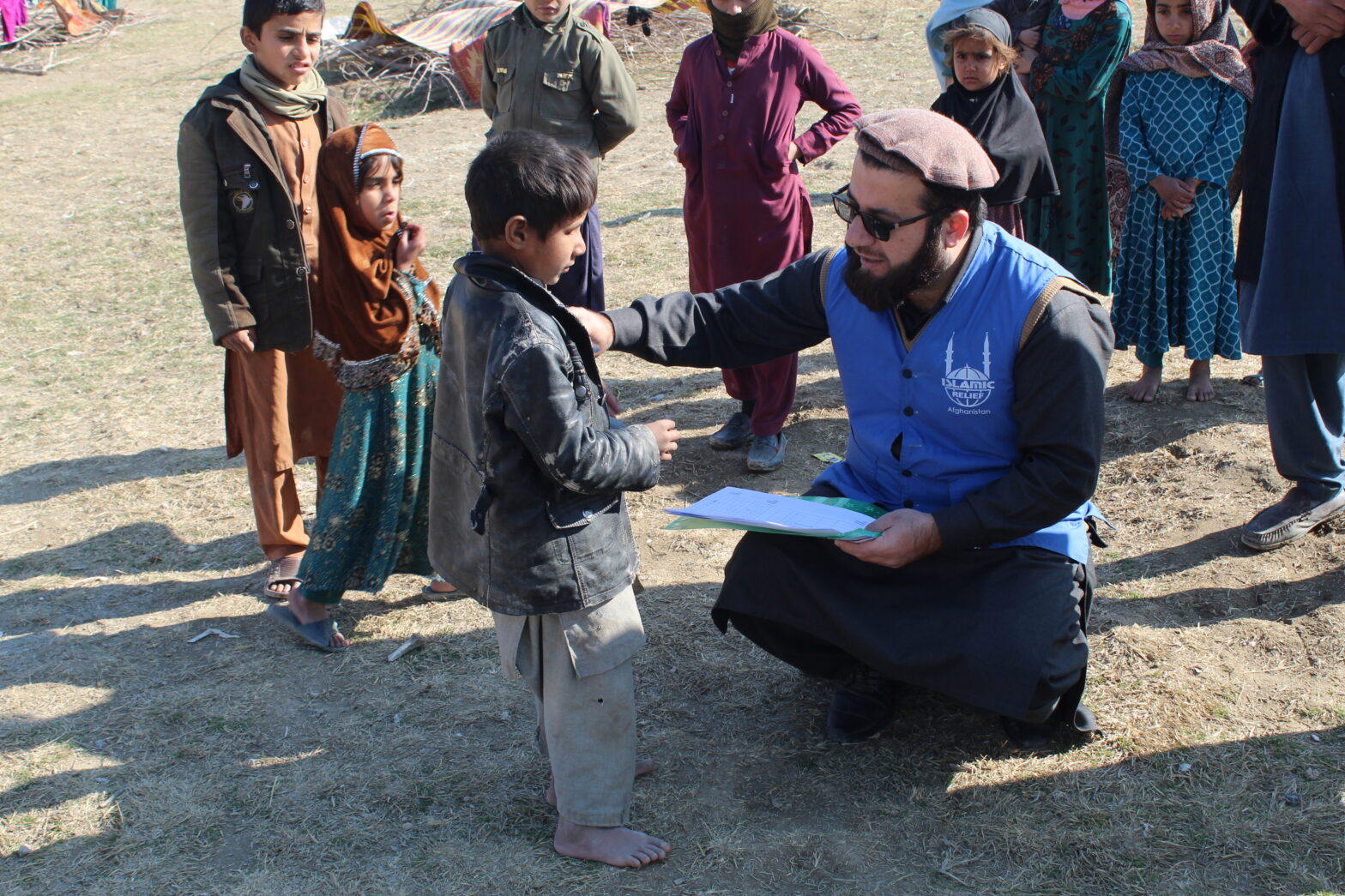
Sandakan, 13 Julai 2021 – Islamic Relief Malaysia telah mengedarkan 150 pek makanan, susu formula bayi dan kit kesihatan seperti pelitup muka serta pencuci tangan kepada 150 keluarga penduduk bukan warganegara atau ‘stateless’ di kawasan Skim Penempatan Masyarakat Pelarian (SPMP), Pulau Jampiras, Sandakan, Sabah dengan kerjasama Majlis Keselamatan Negara (MKN).

Inisiatif ini dijalankan untuk meringankan beban penduduk terjejas di bawah program bantuan COVID-19.

“Bantuan COVID -19 yang diberikan Islamic Relief Malaysia berbentuk menyeluruh tanpa mengira apa jua bentuk perbezaan.

“Kali ini, kami memilih Pulau Jampiras kerana kami dimaklumkan oleh MKN bahawa sejak pendemik melanda negara, penduduk di sini tidak pernah menerima sebarang bentuk bantuan. Ia mungkin disebabkan kesukaran untuk masuk ke kawasan ini dan status mereka yang bukan warganegara,” kata Ramlah Halim, Pegawai Bahagian Program, Islamic Relief Malaysia.

Perjalanan untuk sampai ke pulau ini mengambil masa kira-kira 40 minit daripada jeti bandar Sandakan dengan menaiki bot.

Kebanyakan penduduk Pulau Jampiras bekerja sebagai nelayan. Sejak pandemik dan arahan perintah kawalan pergerakan (PKP) dilaksanakan, pendapatan mereka mulai merosot berikutan ketiadaan peraih yang datang membeli tangkapan hasil laut mereka.

“Terima kasih Islamic Relief Malaysia dan MKN kerana datang membantu kami di sini. Kami rasa sangat terharu kerana masih ada pihak yang sudi menghulurkan bantuan serta prihatin akan nasib kami,” kata salah seorang penerima manfaat.

Didoakan semoga kita semua terus tabah menghadapi ujian serta menjadikan apa yang berlaku sebagai platform untuk kita lebih cakna akan nasib mereka yang memerlukan supaya tiada lagi komuniti yang akan merasa terpinggir.

Konflik di Syria Masih Belum Reda

Idleb, 7 Julai 2021 – Sekurang-kurangnya 31 orang penduduk Syria terkorban sejak awal Jun lalu, ekoran serangan yang disasarkan terhadap kemudahan awam di Selatan Idlib melibatkan hospital, sekolah di kem pelarian dan ibu pejabat bahagian pertahanan negara itu.

Pada 23 Jun lalu, serangan artileri telah dilancarkan di wilayah Idleb dan barat Aleppo.

Antara lokasi yang terkesan adalah Jabal Al Zawiyah, sementara pusat kawalan pemerhatian Turki di bandar Kansafra dikatakan mengalami serangan paling teruk hingga mencederakan dua orang tentera yang sedang bertugas.

Serangan turut menyasarkan kawasan tanah perkuburan di Afes, timur Idleb. Kejadian itu telah meragut dan mencederakan beberapa orang penduduk setempat yang sedang berkabung.

Pada 24 Jun pula, serangan artileri mula dilancarkan sejak awal pagi dengan menyasarkan kawasan luar bandar barat Aleppo.

Seorang kanak-kanak lelaki di bandar Al Atareb dilaporkan cedera dalam insiden itu manakala penduduk di bandar Taqad, Tadil dan Kafr Taal menjadi panik kerana turut menjadi sasaran pengeboman.

Islamic Relief masih memantau keadaan semasa di Syria dan sekiranya serangan masih berlanjutan, bantuan kemanusiaan akan mula digerakkan melibatkan bantuan perlindungan, barangan bukan makanan (NFI) dan makanan untuk pelarian Syria yang terjejas.

Tiada Siapa Pinta Hidup Sebagai Pelarian dan Bergelandangan Sehelai Sepinggang Di Negara Orang

“Kehidupan sebagai pelarian sangat mencabar, lebih-lebih lagi bagi orang kelainan upaya (OKU) seperti saya. Kaki saya tidak sempurna, sukar untuk saya berjalan. Jadi, sewaktu insiden perbalahan di Tigray, Ethiopia mula merebak ke kampung kami, suami saya terpaksa memapah saya sepanjang perjalanan kami melarikan diri menuju ke kem pelarian Um Rakuba di Sudan. Ia satu perjalanan yang panjang dan sungguh memenatkan,” kata Mulu.

Tahukah anda, lebih 79.5 juta orang terpaksa meninggalkan rumah mereka disebabkan banyak faktor antaranya konflik peperangan, penganiayaan dan dihalau secara paksa.

26 juta daripada angka itu merupakan golongan pelarian yang sebahagiannya berumur di bawah 18 tahun.

Angka ini, semakin meningkat setiap hari hingga dilaporkan setiap 4 saat, satu orang akan hilang tempat tinggal menjadikan 16 orang hidup bergelandangan setiap seminit.

Dalam kejadian yang berlaku pada November 2020 itu, Mulu antara penduduk yang terkesan dan mengalami igauan ngeri daripada insiden yang tidak dijangka itu.

“Saya nampak bom meletup dan kemudian mayat manusia bergelimpangan di seluruh kawasan termasuk mayat rakan suami. Saya rasa sangat takut.

“Ketika peperangan tercetus dan berlaku letupan bom, saya lihat orang ramai berlari tanpa arah tujuan. Keadaan menjadi kacau bilau.

“Kejadian itu meragut nyawa ayah saya manakala ahli keluarga yang lain hilang tanpa khabar berita. Saya selalu memikirkan nasib keluarga yang terpisah. Hidup atau mati, saya pun tidak tahu. Insiden yang berlaku sangat mengerikan. Saya harap saya tidak akan melihat dan melalui saat sukar itu lagi.

“Kini, kem pelarian inilah rumah kami. Di sini ada lebih 20,000 pelarian Ethiopia yang datang untuk berlindung. Kami tidak mempunyai anak. Kami telah mengambil seorang anak angkat berumur 16 tahun untuk dijaga kerana kami kasihan melihat anak ini yang hidup sebatang kara. Dia terpisah daripada ahli keluarganya dalam insiden peperangan sewaktu melarikan diri ke sini.

“Alhamdulillah, kami rasa sangat bersyukur di atas bantuan makanan, air dan sanitasi juga kit kebersihan yang diedarkan oleh Islamic Relief serta agensi kemanusiaan lain. Islamic Relief telah mengedarkan bantuan secara terus ke khemah kami memandangkan saya tidak boleh berjalan jauh dan berdiri lama untuk beratur mengambil bantuan. Terima kasih Islamic Relief kerana prihatin akan nasib golongan pelarian terutamanya OKU seperti saya,” kata Mulu.

Pengarah Negara Islamic Relief Sudan, Elsadig Elnour berkata, Islamic Relief sentiasa peka dalam membantu golongan OKU, warga emas dan wanita hamil. Inisiatif penghantaran bantuan secara terus ke khemah, dapat melindungi mereka dari insiden ditolak atau berebut-rebut juga menjadi pencegah kepada penularan wabak covid-19.

Bantuan kemanusiaan yang disalurkan Islamic Relief tidak hanya tertumpu di kem pelarian Um Rakuba, Al-Tunaydbhah dan Hamdayet, Sudan. Ia turut disalurkan kepada penduduk terjejas di Tigray, Ethiopia.

Antara bantuan lain yang diberikan adalah pendidikan, plastik penebat haba, kelambu, bekas untuk mengangkut air, sabun, ubat gigi, pelitup muka dan lampu dengan sistem solar untuk melidungi penghuni kem di waktu malam.

Setakat ini, Islamic Relief telah berjaya menyantuni kira-kira 30,000 pelarian dari ketiga-tiga kem. Lebih 60 tandas dan 30 tempat untuk mencuci di kem Um Rakuba dan Al-Tunaydbhah juga telah dibina.

Terbaharu, Islamic Relief sedang merangka untuk membina bilik darjah dan kemudahan pembelajaran peringkat menengah dengan tajaan Education Cannot Wait (ECW).

This World Refugee Day, we are recognising the strength and courage of refugees like Hassan

Never before has the world recognised a World Refugee Day in which so many people are displaced. Largely driven by conflict, the number of refugees has doubled in the past 10 years, from 41 million in 2010 to nearly 80 million today. Today, Islamic Relief shines a light on the strength and courage those forced to flee in search of safety. We draw inspiration from people like Hassan.

Military clashes in the Ethiopian region of Tigray have been ongoing for months, with no end in sight. More than 70,000 people have fled to neighbouring Sudan. Some on foot, others by vehicle or by boat across the border river. Due to Tigray being partially closed, making access difficult, people arrived through border crossings that can only be reached via dirt or unpaved roads.

They arrive exhausted after walking long distances, carrying very few belongings.

Hassan and his family were one of the first people to reach the camp after fleeing their hometown, Humara, to find safety in Sudan.

Everything left behind

“We walked for 3 days before we got to the border,” Hassan says, pointing to his parched, bare feet. “Everyone was scared. Our money, our animals, our houses, our clothes: we have lost everything.”

Hassan told us how he and many others had to quickly flee the violence, and how they saw many of their friends and neighbours die.

“Before the conflict, we had properties, businesses, we didn’t worry about tomorrow, but that all changed when the violence started. I am not sure if anything or anyone is still there, but thankfully my mother and siblings are safely on the other side of the country”.

Hassan counts himself among the lucky ones, as he used to live and work in Sudan and had connections from his time here.

“It was very rough at first. When we first arrived there was no aid, we had to eat what we were offered. For many that meant they had to go hungry as the food was so different from what they were used to.

“Things gradually started to change when more aid came in. My friends and acquaintances from Sudan were a great support system during those uncertain times as I was able to lean on them when things got tough.”

Heart-breaking loss

Amongst the chaos, Hassan and his pregnant wife were struck by more tragedy. He is emotional when he speaks about his loss.

“My wife and I were so happy when we found out she was pregnant as we have been trying for so long. When we fled Tigray she was 2 months pregnant. When we reached Hamdayet we were very thirsty. We hadn’t had water for days, we were walking for so long and my wife was so tired, it took a toll on her health.

“So, when she lost the baby, it was so extremely hard for us. This conflict took away so much.”

Building new lives together

They had been living in the camp for some time before Hassan felt able to start to explore opportunities within the camp, which shelters mostly Christian families.

A quiet and knowledgeable man, he was approached by the community to be one of the two main leaders of the camp. He is a “peace leader”, which involves dealing with disputes and supporting reconciliation, as well as helping organise the camp, registration of new arrivals and rationing.

A Muslim, he says that being nominated as a camp leader reflects the harmony within the camp.

“The majority of Tigray people in the camp are Christians, but we don’t differentiate between Muslims and Christians here, we live in peace. Back home my whole life we lived in harmony with Christians, I don’t see any differences between us. This situation has not changed my views, it only reminded me that we are all humans.”

Despite the harsh realities, poignant stories like Hassan’s remind us that ordinary people can work together, form a support system and help guide each other.

The current crisis-disrupted situations in the world can help sharpen our sensitivity and understanding for refugees. Our faith can be a bridge and on this World Refugee Day we encourage many more people to commit themselves to building a humane, pluralistic world with solidarity.

Inspired by our faith, Islamic Relief has been providing emergency assistance to those affected.

We have provided Hassan and his family with shelter, mattresses, blankets, rugs and other essential items. We are helping displaced families and host communities survive a crisis with dignity, find stability in need, and to hold onto hope.

Join us in standing in solidarity with families forced to flee: donate to Islamic Relief to support our work to enable refugees to live dignified lives.

Tragedy and hospitality: Daily life with refugees from Tigray

Islamic Relief’s Aya El Fatih spent a few days with a refugee family in Sudan, to find out how people live after fleeing terrible violence. In their small tent she found stories of loss, resilience, hospitality and hope.

The white tents in Um Rakuba refugee camp are arranged in neat rows as far as the eye can see. Thousands of refugees have fled the violence in the Tigray region of Ethiopia and sought shelter in this sprawling camp in eastern Sudan.

One of the many tents, not far from Islamic Relief’s office, is now home to 35-year-old Akbert and her children.

Tragedy strikes

Back home in Ethiopia, Akbert lived happily with her husband, who was the family’s main breadwinner. But their life changed as the war in Tigray intensified. Her husband was killed and his livestock was stolen. The next day Akbert had to bury his body and start caring for their 7 children on her own.

Thinking of her children’s safety, Akbert decided to flee. “It was God’s will,” she says. “I was worried about what was going to happen to us, whether we were going to live or die.”

Akbert and her children crossed the Blue Nile River and escaped into Sudan, where they were welcomed by local people who helped them ride a tractor the rest of the way to Um Rakuba camp.

Making a new home in the camp

In the camp, Akbert’s 3-year-old daughter, Radyet, is very attached to her mother and follows her around everywhere.

Akbert has had to cope with new surroundings and feed her children with whatever is available. “I was very scared when I first came here,” she says. “I worry about my children when I run out of food, how can I explain it to them? We are adults so we understand the situation, but they are only children. The water is also scarce in the camp. I have to go a long way to get water.”

When she wakes up every morning, she cooks food for her children and sends them to school, but she faces difficulty cooking because she doesn’t always have firewood.

With her neighbours, Akbert shares a clay stove where she makes Injera, traditional Ethiopian flatbread, which is an integral part of their diet and a taste of the home they left behind. The refugees have made the clay stoves themselves so they can make Injera.

Even though her tent is a small place for 8 people, Akbert manages to keep it organised and gives it warmth. She throws some incense (commonly used aromatic wood in Ethiopian and Sudanese culture) into flaming coals. A beautiful scent soon saturates the tent as a wisp of smoke rises from the hot coals. The smell often tempts neighbours to join Akbert for coffee in her tent.

Hospitality and strong coffee

She starts preparing the coffee by roasting the beans in a fryer, stirring until they turn a dark rich colour. With a mortar and pestle she then grinds the roasted beans into a powder, which she adds to boiling water.

She hosts her neighbours by pouring the strong-smelling coffee into small porcelain cups and serving it with popcorn in her warm, incense-saturated tent.

People in the camp do not have much, but hospitality is a big part of local culture and they share what they have with each other.

A birthday in the camp

Her neighbours and her late husband’s friends also came to celebrate the first birthday of her son, Tamasgn. Since her husband passed away, his friends have kept Akbert company.

Many refugees had to leave everything behind when they fled, including clothes. For her son’s birthday Akbert wore a yellow scarf and a half-sleeve maxi pink dress, which she has worn continuously for several days.

Faith is a big part of Akbert’s life. She wears a cross on her neck and goes to church 3 times a week in the camp. At the birthday celebration, Akbert and her family stood reverently around the holy bread while a priest recited prayers. He then attached the bread to Tamsagn’s body, blessed him and cut the bread, which was eaten by everyone present.

“This is part of our culture,” says the priest. “This ritual is usually performed on a child’s first birthday so that he or she grows faster.”

A tearful celebration

Tamasgn’s birthday coincided with a day of national celebrations. In the camp, refugees gathered for morning prayers in high spirits, walking around greeting everyone they meet. Music played loudly and people stood on tractors holding flags and dancing.

Children were happiest of all, with flags painted on their faces.

Akbert rushed inside to get the bread which was blessed for Tamasgn’s birthday, then shared it around. The people on the tractor hailed and raised the bread high above their heads. Akbert tearfully joined in the dancing, as she remembered her husband; the bread she donated was for his soul.

For Akbert and many other refugees in the camp, such celebrations can be a way to temporarily detach themselves from tragic memories.

Humanitarian aid

Since violence broke out in Tigray in November 2020, more than 80,000 Ethiopian refugees have fled to Sudan.

Some refugees are able to make a small living by selling vegetables and sugar in the market, and Akbert plans to sell a tractor to raise money to feed her children.

However, the need for humanitarian assistance is greater than ever.

Islamic Relief is working in Um Rakuba and other camps in Gedaref state in eastern Sudan, as well as responding inside Tigray itself. We have provided around 30,000 refugees with some form of assistance including food, water, sanitation and hygiene, education, and a new solar-powered lighting system to keep people safe in the camp at night.

Islamic Relief has constructed around 50 latrines and 30 washing facilities in the camps, and is constructing classrooms through support from Education Cannot Wait.

But families like Akbert’s need more support so they can live a dignified life.

“My children are orphans,” she says. “I pray that they don’t get hungry or sick. I thank Islamic Relief and the government of Sudan for the support so far.”

Islamic Relief has been responding to forced migration crises since we were founded in 1984. We are now working to meet the needs of refugees, internally displaced people, asylum seekers and returnees in affected countries around the world.

Families like Akbert receive live-saving aid from Islamic Relief, including psychological support, healthcare, food and education.

We urgently need your help to continue this vital work: please donate to support our crucial work with refugees and migrants.