“East Africa is losing its once abundant natural resources to climate change, with devastating effects. We must not lose this race.”

The theme of this year’s World Humanitarian Day is #TheHumanRace, highlighting the race against time to beat climate change and the immediate consequences for the world’s most vulnerable people. In the race against the climate crisis, we can’t leave anyone behind.

Gloria Nthenya Kivuva, who works for Islamic Relief Worldwide in East Africa, reflects here on the changes she has seen due to climate change and her hopes for the future.

Climate change has become a reality of today and tomorrow. On August 19, the thirteenth-year commemorating World Humanitarian Day, I cannot help but reflect on the human cost of climate change.

Worldwide, the number of people at risk has been growing for decade. According to a report by The International Federation of Red Cross and Red Crescent Societies, since the 1990s there has been an increase of almost 35 per cent in the average number of climate and weather-related disasters per decade. A staggering 83 per cent of all disasters in the last 10 years were caused by extreme weather events such as floods, storms and heatwaves. Over 410,000 people have lost their lives, while an incredible 1.7 billion people have been affected.

On the frontlines of climate change in East Africa

Working for Islamic Relief in East Africa, I have witnessed first-hand the devastating impact of extreme weather events here in Kenya, where I live and work.

A country once abundant in savannah, highlands, lakes and rivers, Kenya’s natural wealth of resources is depleting as weather patterns change. We are now experiencing prolonged colder weather, unreliable rainfall and higher temperatures.

It is a constant state of crisis as emergency follows emergency.

Communities in Kenya’s north and coastal regions experience sweltering heat as temperatures reach 400C and drought, followed by flash floods and erratic rainfall. Competition for limited natural resources frequently results in conflict. And, in 2020, an outbreak of locust swarms also ravaged crops and vegetation.

Embed video: Supporting livelihoods in Kenya’s rural communities – YouTube

A matter of life and death

Climate change is a matter of life and death for vulnerable people. Loss of livelihoods and homes, crop failure, dried up riverbeds, displacement and communities pushed to the brink of starvation is all too familiar, fuelling poverty and conflict. Farmers are faced with the heart-breaking dilemma whether to feed themselves or their livestock, often choosing the latter.

The voices of those who have suffered echo in my ears.

In the heart of the country’s arid region is Mandera, located at the border of Somalia and Kenya. The majority of families are farmers who depend on animals for their livelihood. While on my first field visit to Mandera, I met with Mohamed and his scrawny livestock herd.

He had lost goats and was determined to search for pasture and water for his remaining animals. Unable to walk, he used his remaining savings to hire a vehicle to transport his frail animals to a watering spot in the hope that his livelihood could be saved until the next rainy season.

The harrowing cry of the resistant camels in search of water at a watering hole filled the air.

In Wajir County, community members were quick to show me a giraffe carcass stuck in a hole that had been dug near a borehole with no watering trough, evidence of its struggle to quench its thirst.

In Kilifi County at the Kenyan coast, River Sabaki broke its banks following heavy rainfall leaving hundreds of families homeless and camping at the Garashi Chief’s Camp. The raging floods swept away herds of animals and crops ready for harvesting resulting in a humanitarian crisis with thousands of people in dire need of relief food, shelter, clean water and sanitation facilities. The people of Garashi are still unable to grow crops as sand was heavily deposited on their farms.

Climate action involves local solutions using modern techniques

Islamic Relief is working closely with communities to help them adapt to the changes caused by increasingly extreme weather events. We use green energy to boost access clean water, food security, livelihoods and improved access to education to lift communities out of poverty.

Since 2018, Islamic Relief has worked with the Moyale Sub-County Department of Agriculture, Livestock and Fisheries to promote food production in Dabel. Solar-powered irrigation facilities were installed. We set up farmer groups and trained them to adapt their farming methods to climate change. Some 300 farmers also received assorted drought-resistant seeds and farm tools.

The community was introduced to diversification of sources of income to adapt to the long-term challenge of climate change. They are now growing various types of crops for eating and selling, and producing high-quality honey. In a restocking initiative, Galla goats – a hardy breed – were introduced, resulting in multiplied herds of drought resistant goats, providing children with nutritious milk, and more to sell.

Climate action must be inclusive

Women bear higher poverty and food insecurity levels during disasters because of their limited or lack of control over assets. To ensure the initiatives we deliver are sustainable, we prioritise marginalised groups. Islamic Relief recognises young people’s and women’s roles in climate action. Our projects empower women to take part in decision-making.

More efforts towards disaster risk reduction

The climate emergency is worsening at an alarming rate and the least deserving bear the greatest brunt. To reduce the impact of the disasters on vulnerable people, humanitarian responses such as early warning systems must be launched before any anticipated extreme weather events.

Communities in Kenya continue to display resilience when empowered with resources and knowledge. They remain steadfast in their faith and commitment to improve their living conditions despite the competition for dwindling natural resources.

A race against the clock

My hope is renewed by the many stories of resilience, increased income and overall improved family livelihoods. But our communities deserve more significant action towards poverty eradication, reduction of carbon footprint and actions to mitigate further destruction of our climate by those with a tremendous responsibility for the climate breakdown.

The human toll of climate change is too high.

Compassion, custodianship and social justice afford us the responsibility to accelerate and intensify the actions needed for a low carbon future and ensure that everyone in the world has access to their basic needs – as a minimum.

Islamic Relief works on the frontlines of climate change, providing lifesaving and life-changing support in vulnerable communities, and campaigns for bold action to tackle the climate emergency. This World Humanitarian Day, we pay tribute to our dedicated colleagues and supporters who make possible this work. With your support, we can do more: please donate today.

Haiti Struck by 7.2 Magnitude Earthquake

HAITI, August 17, 2021 – At least 1,419 people are known to have died and 6,000 injured in the 7.2 magnitude earthquake which struck Haiti last Saturday.

The incident was devastating homes and buildings include hotels and churches.

Haiti and the affected residents were becoming more pressure because they are already suffering from food insecurity, COVID-19 pandemic, political instability, and tropical storms which are expected to hit Haiti in the upcoming week.

Some areas are still difficult to access due to the bridge’s collapses and general insecurity related to criminal gangs.

Among the identified urgent needs are food, safe drinking water, health, sanitation, and hygiene.

Islamic Relief has currently gathered the latest information and is on standby if there is any response needed.

People in Afghanistan Need Urgent Humanitarian Assistance

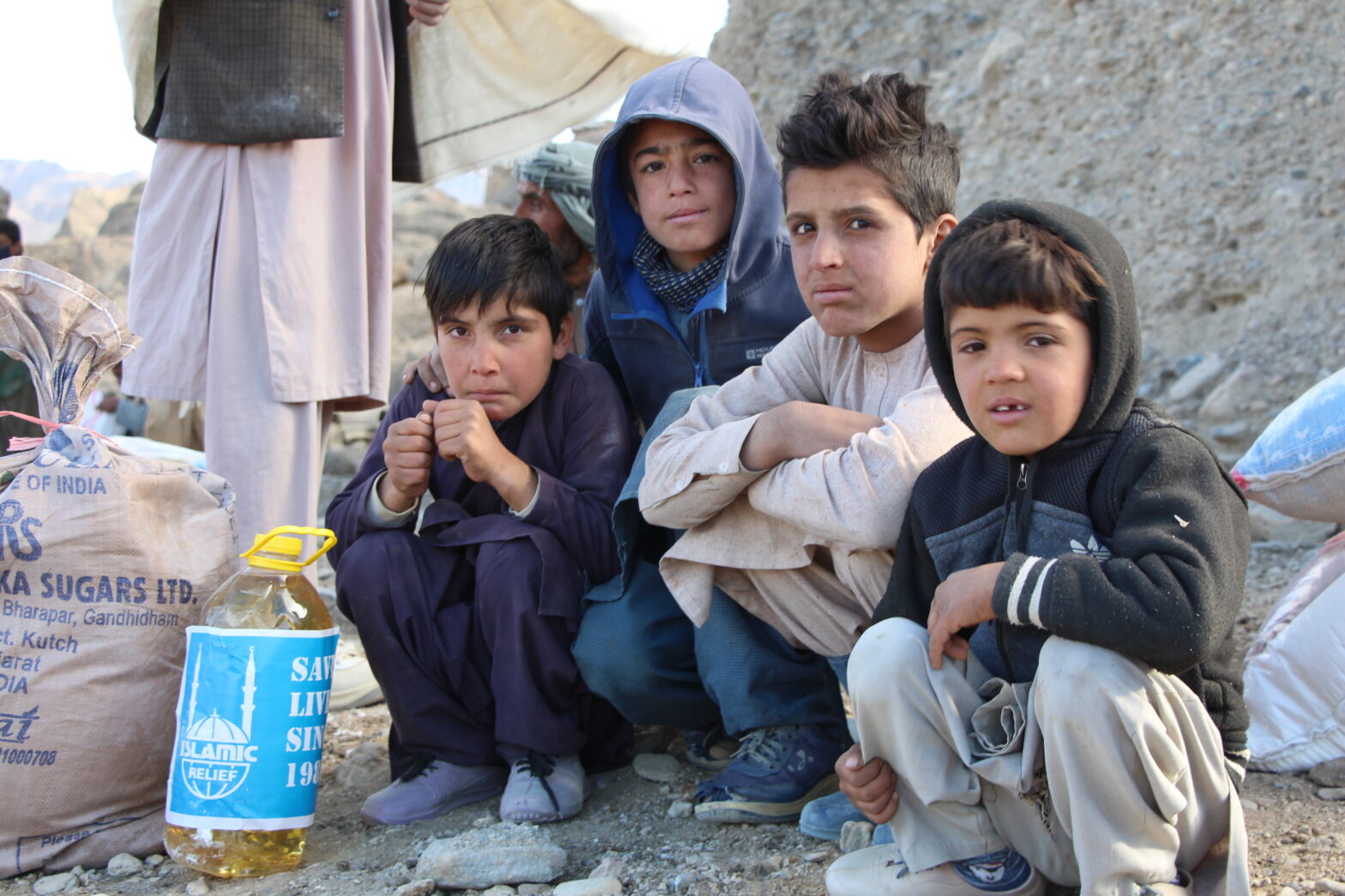
AFGHANISTAN, August 16, 2021 – At least 31,535 Internally Displaced Persons (IDPs) in western Afghanistan and 8,470 people in northern Afghanistan currently need humanitarian assistance.

The conflict has driven thousands of people to flee from their homes. 10,350 IDPs in Afghanistan arrived in Kabul from July to mid-August to seek refuge while in Nangarhar, there are 28,000 people from Kunar who have lost their homes.

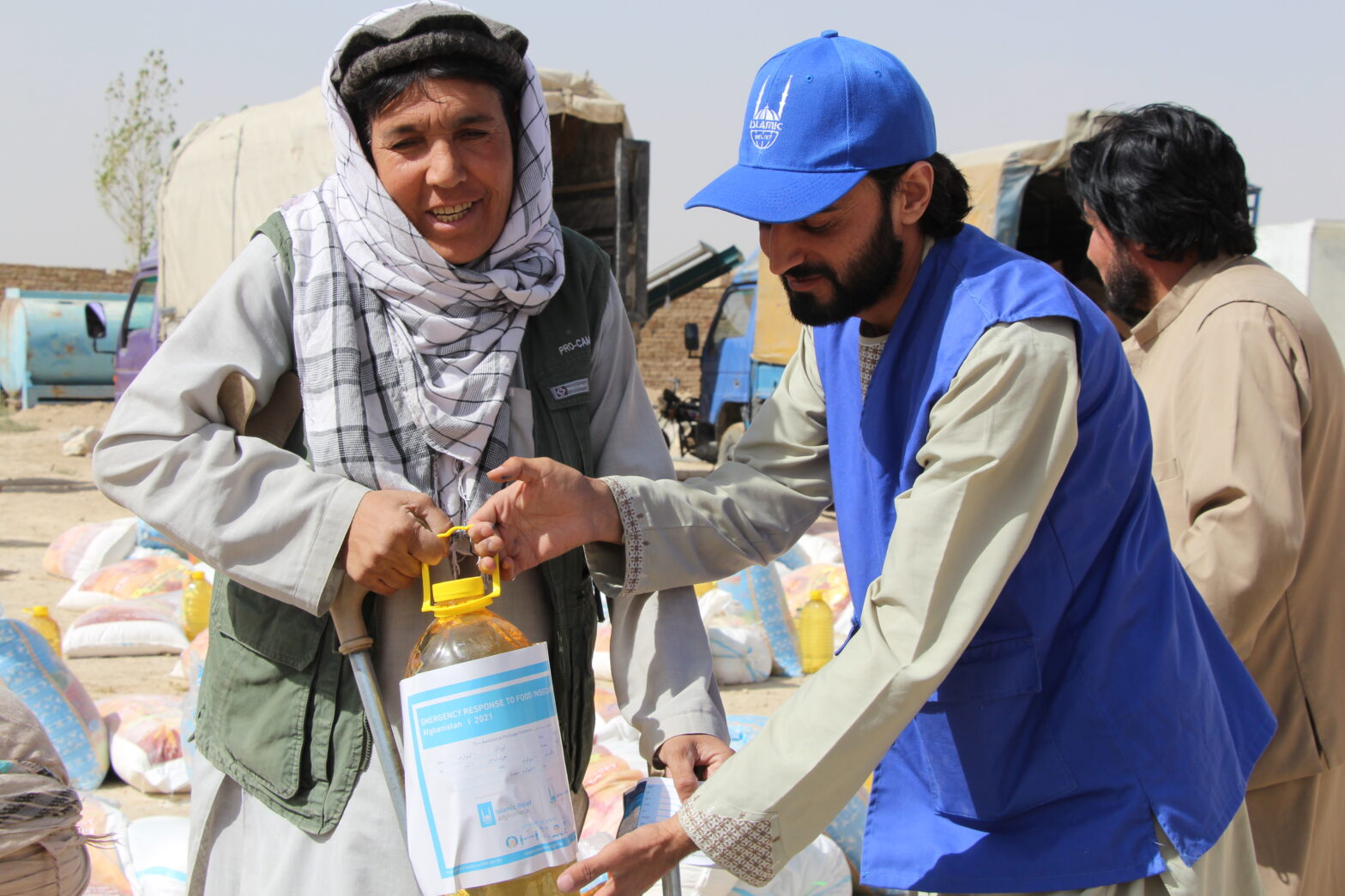
About 6,900 people have received humanitarian assistance in terms of food, health, household items, water, and sanitation support meanwhile the additional assistance will come shortly.

More than 10 million people were classified in Integrated Food Security Phase Classification (IPC) levels 3 and 4. Therefore, the food insecurity issue is expected to become more worsen than before.

Islamic Relief Afghanistan has identified Kabul, Balk, and Nangarhar as areas that need urgent humanitarian assistance.

Forest Fires in Albania, One Person Died

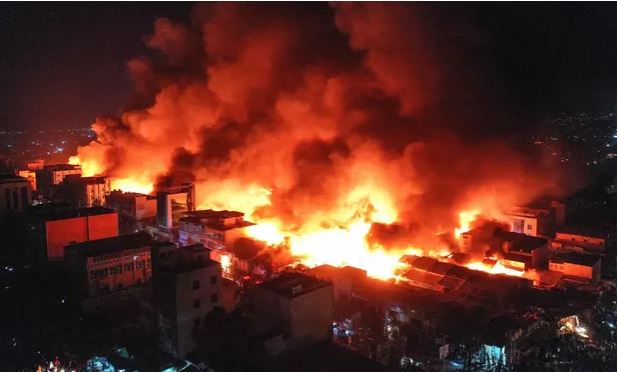
ALBANIA, August 6, 2021 – At least one person has died in a series of forest fires that spread in the north to south Albania.

According to the official data from the Civil Emergency Agency, the forest fires have affected forests and pastures in 13 districts where nine fires are still active.

The Albanian Authorities are plan to seek support from the European Union (EU) Civil Protection Mechanism and government of Kosova, Italy, and Croatia.

Islamic Relief Albania is still monitoring the situation and will share any updates related soon.

28.5 Million People in Ethiopia Needs Humanitarian Aid

ETHIOPIA, August 6, 2021 – About 28.5 million people require humanitarian assistance in Ethiopia due to ongoing conflict in Tigray, Wollega, and Benishagul, desert locust invasion, natural disasters such as floods and droughts as well as the socio-economic impact of the COVID-19 pandemic.

According to the United Nations (UN), access to Tigray has already improved following the declaration of a unilateral ceasefire.

However, there are still challenges to speed up the delivery of humanitarian assistance due to a critical shortage of fuel, cash, and supplies.

Over 200 trucks that carried humanitarian aids were being stranded in Afar because the conflict has spilled over to Afar over the last two weeks.

All flights to Afar have been suspended.

About 69,000 people in the Afar region have been displaced and need to seek refuge in Semara and Logia.

To date, Islamic Relief Ethiopia has distributed food to 670 families and non-food items (NFI) aid including blankets, mosquito nets, plastic sheets, cooking sets, hygiene, and protection kits to 360 families in Yallow Woreda, Afar.

Islamic Relief planned to open an operational presence in Mekella to ensure the effectiveness of the assistance channeled to more than 18,000 people.

Nigeria Faces the Threat of Famine

NIGERIA, August 3, 2021 – 4.4 million people in Borno, Adamawa, and Yobo in northeastern Nigeria are facing the threat of famine due to food insecurity.

Currently, 800,000 people are in Integrated Food Security Phase Classification (IPC) level 4, while 12.2 million people across the country are in IPC level 3.

They are 300,000 children who are suffering from acute malnutrition.

The civil war has caused 1.75 million people to flee from their homes and stay at camps or host communities within Nigeria meanwhile tens of thousands more have been forced to seek refuge in neighboring countries.

Central Yobe, Northern Yobe, Northern Borno, and Eastern Borno were the most affected areas in Nigeria.

There are 81 percent Internal Displaced Person (IDPs) in Borno.

Food and nutrition insecurity is expected to rise over the incoming months and will lead to increased water-borne diseases such as diarrhea, malaria, and measles.

Apart from the famine issue, other things that need help and attention are the lack of a source of water, sanitation and hygiene (WASH), protection assistance, and gender-based violence (GBV).

Islamic Relief is currently initiating response activities for those affected in collaboration with humanitarian partners who are already implementing food aid programs in Nigeria in the upcoming days.