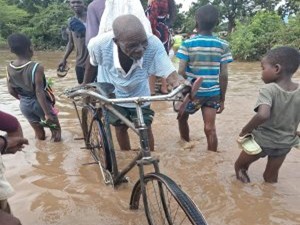
MALAWI, 1 April 2026 – Hujan lebat berterusan antara 15 hingga 19 Mac telah mencetuskan banjir besar di beberapa daerah termasuk Daerah Chikwawa yang paling teruk terjejas.
Di Chikwawa, peningkatan paras air di Sungai Shire dan Sungai Mwanza telah mengakibatkan kehilangan nyawa, perpindahan keluarga, kemusnahan rumah, serta gangguan kepada laluan akses utama.
Jalan Chikwawa–Nsanje di Bereu Trading Centre masih tidak boleh dilalui, sekali gus mengehadkan akses bantuan kemanusiaan kepada komuniti terjejas.
Keperluan mendesak di lapangan termasuk tempat perlindungan sementara seperti kanvas (tarpaulin), khemah dan helaian plastik, selain bantuan makanan seperti tepung jagung, kacang, minyak masak, garam dan gula.
Keluarga yang terjejas juga memerlukan barangan keperluan asas bukan makanan seperti peralatan dapur, selimut, kelambu, sabun, klorin serta tandas kecemasan. Sokongan air, sanitasi dan kebersihan (WASH), khususnya bantuan sanitasi dan rawatan air, turut amat diperlukan.
Usaha respons oleh Islamic Relief sedang giat dijalankan. Pasukan Tindak Balas Kecemasan sedang melaksanakan penilaian keperluan lanjut dengan kerjasama Malawi Red Cross Society (MRCS), serta menyertai penilaian antara agensi yang diketuai oleh Department of Disaster Management Affairs (DoDMA) bersama rakan-rakan PBB.
Antara aktiviti yang dilaksanakan termasuk pengesahan isi rumah terjejas, pemantauan berterusan terhadap situasi semasa, serta perancangan untuk agihan bantuan makanan dan barangan bukan makanan.
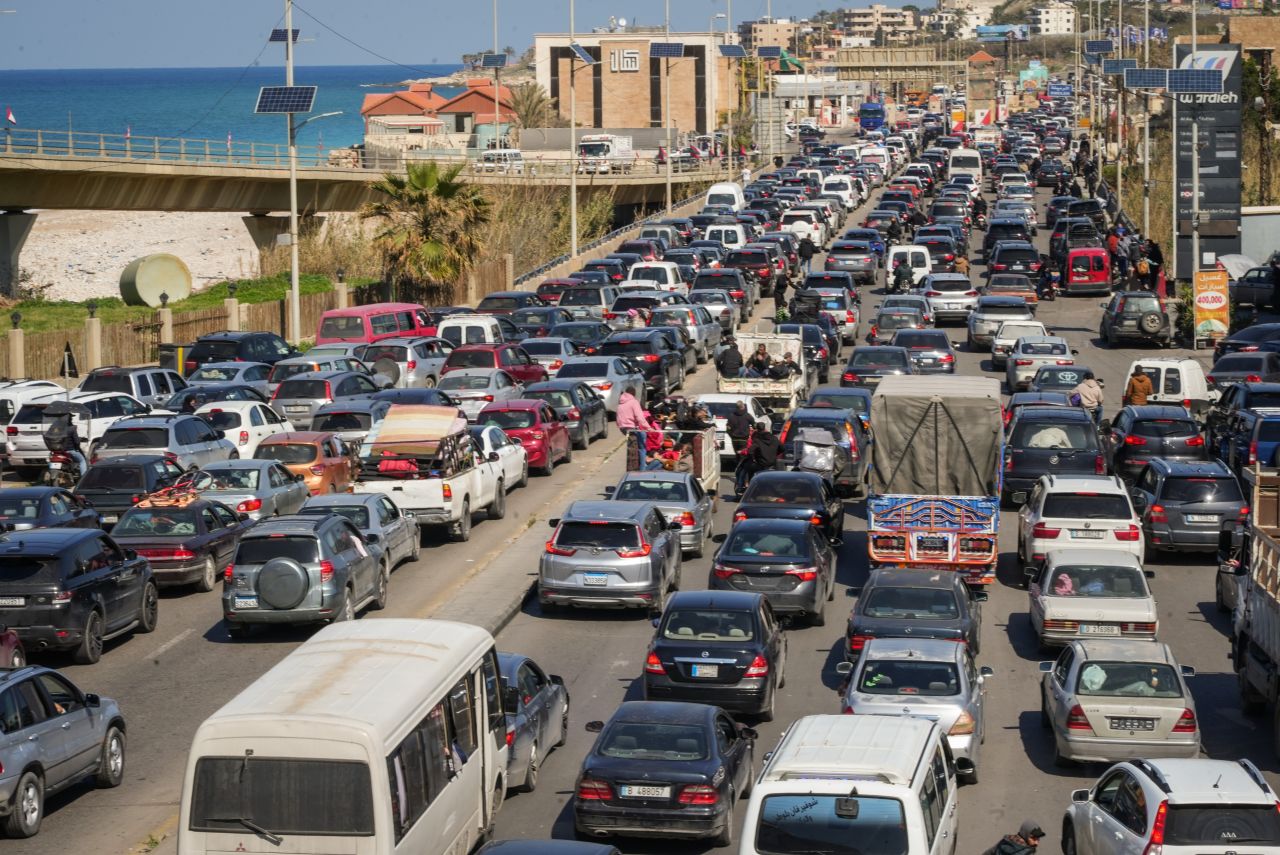
Families in Lebanon are trapped in appalling conditions after being forced to leave their homes under bombardment and Israeli military evacuation orders, Islamic Relief says.
Hundreds of thousands of people – including elderly and sick people and young children – have been ordered to leave the south of the capital city, Beirut, and large parts of southern Lebanon and head north. Public shelters in communal buildings such as schools are becoming desperately overcrowded. Waves of intense airstrikes have hit homes and shops and turned parts of southern Beirut into rubble.
Mohammed Taleb, an Islamic Relief aid worker in Beirut, said:
“People are terrified and fleeing in panic, but the conditions in the shelters are appalling. Up to 25 people are sleeping in a classroom, there’s only one hour of electricity a day, rubbish is piling up, and there isn’t enough water. There are no locks on doors, which puts people at risk, especially women and girls. There is no heating and the nights are cold. We went to one shelter that can officially host 75 families, but 120 have already arrived. But these families are the lucky ones – many more people spent the night on the side of a road.”
Families forced to flee urgently require food, drinking water, hygiene kits, mattresses, blankets, and fuel for generators. Islamic Relief teams are delivering aid to displaced families but supplies are likely to run out in the coming week if the attacks and forced displacement orders continue.
Islamic Relief is calling for urgent de-escalation across the Middle East. Civilians and civilian infrastructure must be protected, in accordance with international law. People must not be forced to leave their homes, and must be assured safe access to humanitarian assistance.
The displacement orders issued by Israel yesterday mirror those previously seen in Gaza, where civilians were forced to immediately leave their homes without knowing whether they would ever be able to return. Many who did return found their neighbourhoods completely flattened.
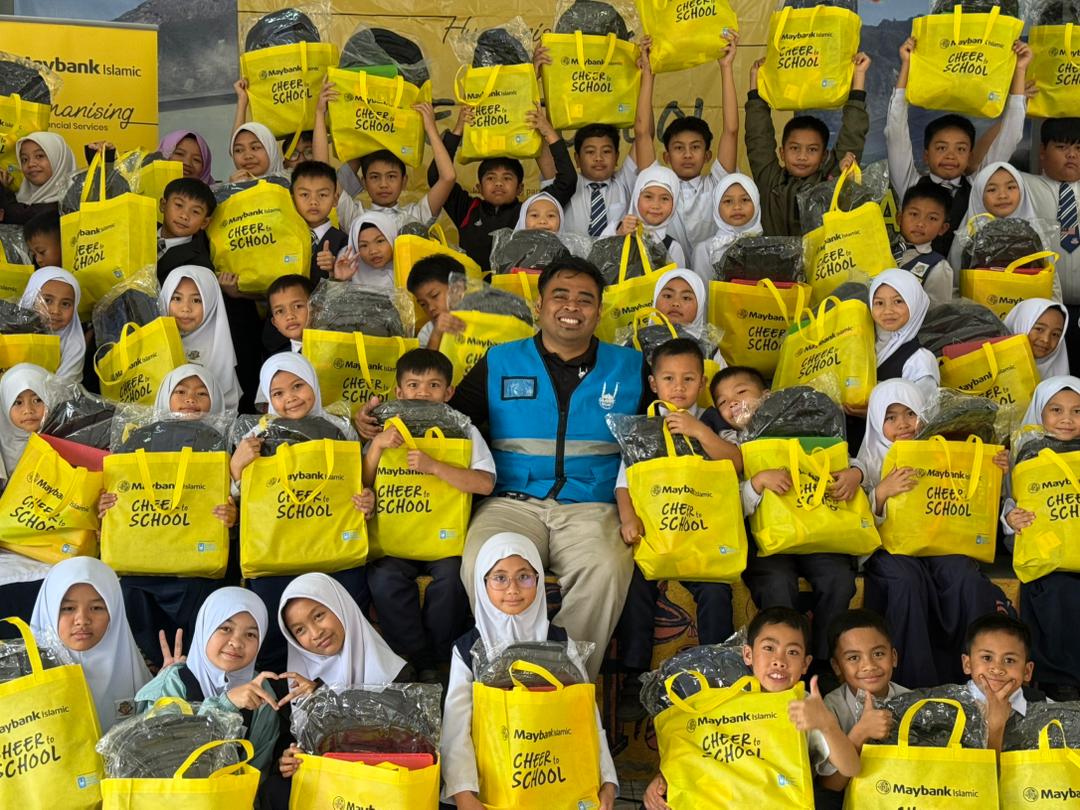
KAJANG, 23 Januari 2026 – Seramai 100 murid Sekolah Kebangsaan (SK) Kajang, Bandar Kajang menerima set bantuan persekolahan menerusi program Cheer To School (CTS), satu inisiatif tahunan bagi membantu pelajar daripada keluarga memerlukan.
Program ini ditaja sepenuhnya oleh Maybank Islamic dengan kerjasama Islamic Relief Malaysia (IR Malaysia) sebagai rakan pelaksana. Penerima manfaat terdiri daripada murid Tahap 1 dan Tahap 2 yang dikenal pasti memerlukan sokongan dari segi kelengkapan persekolahan.
Antara barangan yang diterima oleh setiap murid ialah beg sekolah, set alat tulis, fail, botol air, pensil warna, bekas pensil, bekas makanan serta baucar bernilai RM100 bagi pembelian keperluan tambahan seperti pakaian sekolah, kasut dan stokin.
Ketua Pegawai Eksekutif Islamic Relief Malaysia, Siti Fadilah Mohd Hood berkata, program ini diharap dapat meringankan beban ibu bapa serta memberi suntikan semangat kepada pelajar untuk terus cemerlang dalam pelajaran.
“Kami berharap bantuan Cheer To School ini dapat memberi kelegaan kepada ibu bapa serta membuka ruang kepada pelajar untuk memulakan sesi persekolahan dengan lebih yakin dan bermotivasi,” katanya.
Beliau menambah, selain kelengkapan sekolah, baucar yang diberikan memberi peluang kepada keluarga untuk melengkapkan barangan persekolahan anak-anak mengikut keperluan masing-masing.
Sementara itu, Penyelaras Unit Bantuan dan Kebajikan SK Kajang, Wan Zuraifah Wan Abdullah berkata, majoriti murid di sekolah tersebut datang daripada keluarga asnaf dan berpendapatan rendah.
“Anak-anak ini memang bersungguh-sungguh untuk belajar, cuma mereka berdepan kekangan kewangan. Ada yang masih memakai baju dan beg sekolah abang atau kakak, dan ada juga dalam kalangan mereka adalah anak yatim,” katanya.
Menurut beliau, sumbangan itu jelas membawa kegembiraan kepada murid-murid yang menerimanya.
“SK Kajang sangat berbesar hati dan mengucapkan setinggi-tinggi penghargaan kepada Maybank Islamic serta Islamic Relief Malaysia dan semua pihak yang terlibat,” tambahnya.
Seorang penerima maanfaat, Amira, murid Tahun 3, meluahkan rasa gembira menerima kelengkapan sekolah tersebut.
“Mak saya kerja pengasuh budak, ayah kerja penjaga. Saya seronok sangat dapat barang-barang sekolah ni. Boleh kongsi dengan adik,” katanya.
Secara keseluruhan, Maybank Islamic menaja seramai 1,450 pelajar di lima negeri iaitu Selangor, Kelantan, Terengganu, Sabah dan Sarawak, melibatkan lebih 30 buah sekolah.
Program CTS terus menjadi antara inisiatif penting bagi IR Malaysia dalam memastikan akses pendidikan yang lebih saksama kepada pelajar daripada golongan kurang berkemampuan di Malaysia.
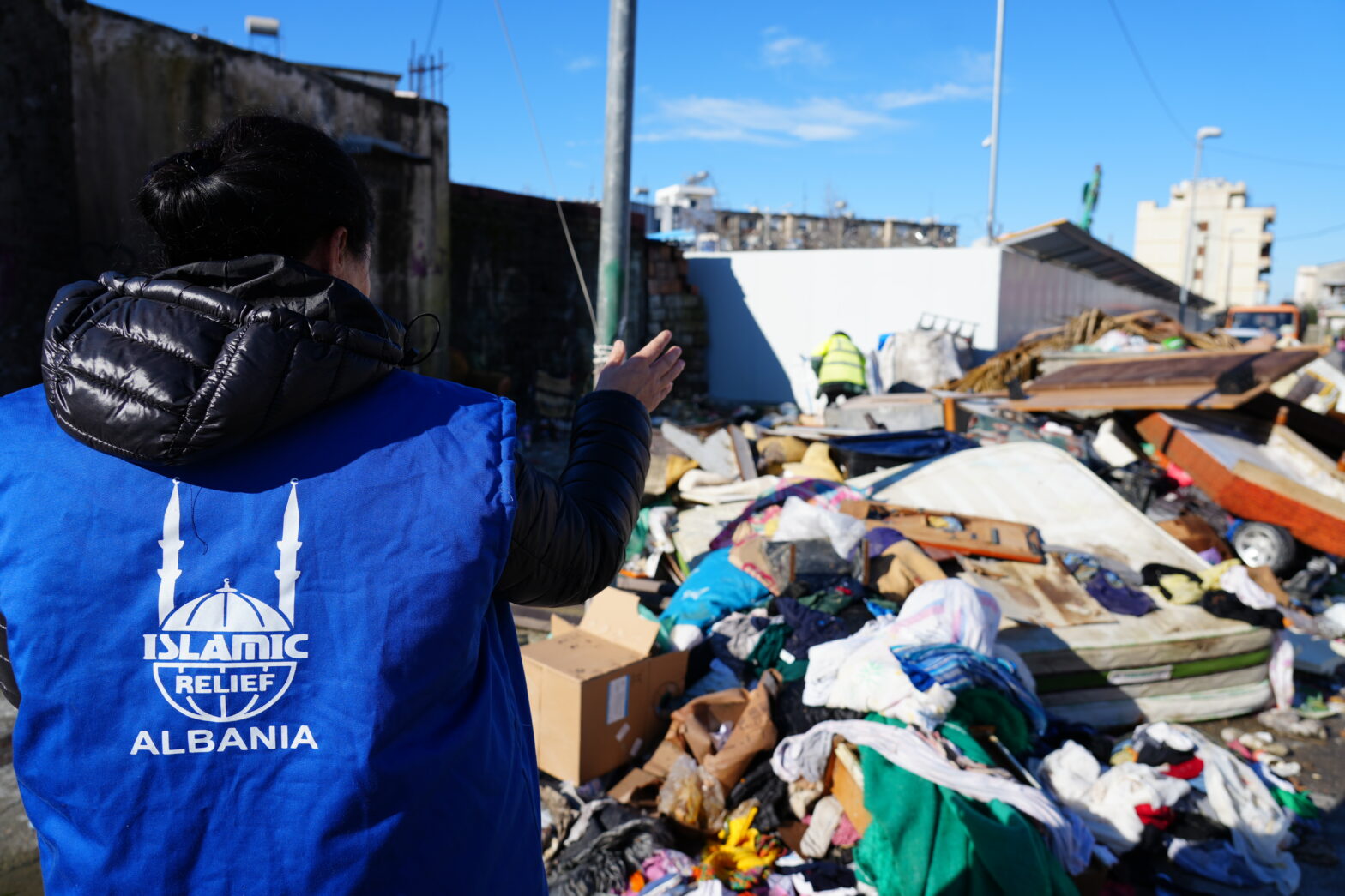
TIRANA, 12 Januari 2026 — Islamic Relief telah menggerakkan respons kecemasan susulan banjir besar yang berlaku akibat hujan lebat berterusan di beberapa wilayah di Albania sejak awal Januari.
Banjir tersebut telah menjejaskan Durrës, Lezhë, Fier, Vlorë dan Gjirokastër, mengakibatkan jalan raya, kampung serta kawasan pertanian ditenggelami air, sekali gus mendorong operasi pemindahan dan menyelamat oleh pihak berkuasa tempatan.
Angkatan Tentera Albania dan struktur Kecemasan Awam turut digerakkan bagi menyokong pengurusan banjir, usaha pemindahan serta tindak balas infrastruktur di kawasan terjejas.
Dengan paras air sungai yang masih tinggi serta risiko banjir kilat berterusan, Islamic Relief Albania bekerjasama rapat dengan pihak berkuasa tempatan untuk menilai keadaan dan mengenal pasti keperluan kemanusiaan yang mendesak.
Pasukan Islamic Relief Albania telah mengunjungi Durrës, Vlorë, Shkodër dan Gjirokastër, dan mula menyalurkan bantuan kepada keluarga terjejas melalui pengagihan 180 pek makanan dan 180 kit kebersihan.
Walaupun keadaan telah mula stabil di beberapa kawasan berikutan pemberhentian sementara hujan, Durrës kekal sebagai kawasan paling terjejas, dengan banyak rumah dan jalan raya masih ditenggelami air akibat masalah sistem saliran, dan Islamic Relief Albania terus mengutamakan bantuan kecemasan kepada keluarga yang terkesan di kawasan tersebut.
In a crisis that has stripped millions of their basic rights, Khatmala’s community kitchen proves that humanity survives even when systems collapse.
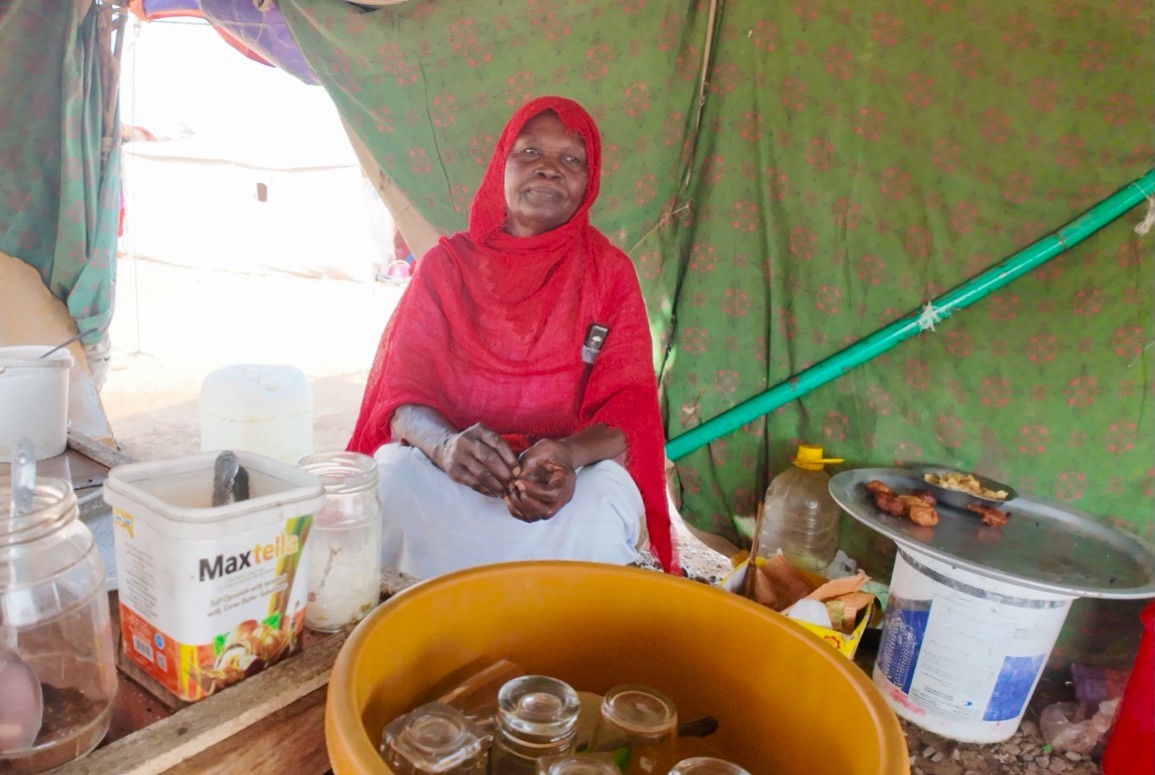
In Gedaref’s internally displaced persons camps, Khatmala runs a ‘takaaya’ – a community kitchen – where she provides and shares food and drink, that have become lifelines for those who have lost everything.
“I fetch water, get the ice ready, and then people start coming,” she says. “My joy never fades. I just keep talking with people, I don’t like to sit idle.”
In a nation where more than 12 million have been displaced and over 30 million people need humanitarian assistance, Khatmala’s takaaya has become something extraordinary – the difference between life and starvation for people in Sudan.
What happens when every right disappears
The long running conflict in Sudan has created what the UN calls the world’s worst humanitarian crisis. Over 80% of healthcare facilities are closed, food production has collapsed and there famine-like conditions being reported from multiple regions.
For women and girls, the conflict has been devastating.
More than 12 million live at risk of gender-based violence. Sexual violence has become a systematic weapon of war with widespread and horrific reports of women being forced into sexual slavery, gang rapes and the assault of children.
Simply being female in Sudan, as UN Women puts it, is “a strong predictor of hunger, violence and death.”
The fundamental rights in the Universal Declaration – life, security, food, shelter, freedom from torture – have been obliterated for millions.
This is the context in which Khatmala serves tea each morning.
A true community kitchen
Takaayas in Sudan represent something profound: when institutions fail, communities become the last line of defence.
“Every Friday, I cook breakfast and sometimes lunch,” Khatmala explains. Camp police help when they can. Neighbours contribute what little they have. “Everyone comes and eats. You have to extend your hand to others.”
Before Islamic Relief’s support, conditions were harsh.
“When it rained, I sat there soaking wet,” she remembers. The organisation brought a tent, sheeting, supplies. “Now I’m covered. Now I can do more.”
The support represented more than materials, it was recognition. Her work matters.
“I can’t ignore a hungry person. If I see a neighbour’s child who hasn’t eaten, I share what I have. That’s just God’s mercy.
“I try to give what I can, so I don’t forget the blessings I receive,” she reflects. “When you eat from what God gives, remember those who have less.”
When the world looks away
Islamic Relief’s first ever intervention was responding to famine in Sudan in 1984 – Over 4 decades later and we are still here. In the past 2 years alone, Islamic Relief has reached more than 1.2 million people with vital humanitarian aid including food, water, medical support, dignity kits, and support for initiatives like Khatmala’s kitchen.
The gap between need and response is catastrophic, however. Without urgent action, Sudan risks total state collapse, a nightmare with massive regional consequences. Without proper funding and without political will to end the conflict, millions more will be pushed past the brink.
When asked what message she would give to people beyond Sudan, Khatmala says: “I just want to tell people: do good. We don’t need to brag – just say, ‘Alhamdulillah, we helped.’ Even a handful of dirt, if given sincerely, is valuable to God.
“Whatever you can give, we accept with open hearts. We just want your kindness, your good words, your prayers.”
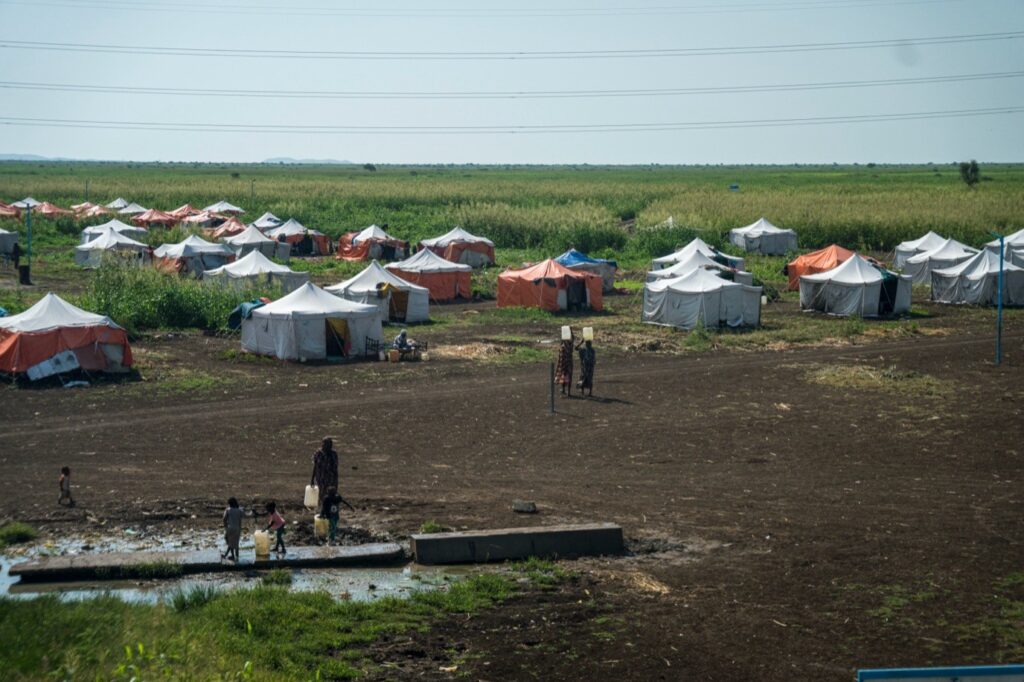
As conflict forces thousands to flee their homes in Sudan, families endure life in temporary camps with limited access to clean water, food, and safety.
The work that cannot wait
Khatmala’s story offers an urgent reminder: human rights aren’t abstract principles. They are fundamentals. They are the difference between life and death.
This Human Rights Day marks the end of 16 Days of Activism Against Gender-Based Violence campaign, we need to celebrate and support community leaders like Khatmala. We need to ensure women’s participation in peace processes and hold perpetrators accountable. Transform pledges into resources that actually reach people.
Crucially we need to view people like Khatmala clearly, not as helpless victims, but as architects of their own survival, deserving partnership and support.
Islamic Relief has been supporting vulnerable communities in Sudan for over 40 years. To support our lifesaving work and help women like Khatmala continue serving their communities, please donate to our International Emergency Appeal today.
Dr Masih Farahimi leaves for work each day fearing arrest simply for being a woman. Yet she continues to show up, knowing that pregnant mothers and newborns depend on her presence. Her story reveals both the crushing weight of gender-based restrictions and the unbreakable spirit of Afghan women refusing to disappear.
“Every day when we leave the house, we despair that we might be arrested for being a woman and not returned back.”
Dr Masih Farahimi speaks these words with quiet intensity. A medical doctor working as a midwife with Islamic Relief’s Hira Project since March 2020, Dr Farahmi embodies a paradox that defines life for countless Afghan women: continuing to serve her community whilst living under restrictions designed to erase her from public life entirely.
As the world marks 16 Days of Activism against Gender-Based Violence, from 25 November to 10 December, Dr Masih’s reality demands our attention. One in 3 women around the world experience violence, but for Afghan women, the violence isn’t just physical. It’s systemic, structural, and suffocating.
The daily calculation
Dr Masih works full time in a maternity ward, focusing on antenatal care, postnatal care, and family planning services. Basic healthcare that saves lives. Yet reaching work requires navigating a maze of restrictions that would break most people.
She is forced to travel with a mahram (a male guardian) almost everywhere; There is a constant dress code to adhere to; Training or meetings outside the province are often forbidden.
Dr Masih has to make the same mental calculation each morning: is the risk worth it?
“We don’t have security,” she explains simply. The understatement masks a profound truth. Since August 2021, Afghanistan has implemented increasingly severe restrictions on women.
In December 2024, authorities banned women from studying medicine, nursing, or midwifery, closing some of their last pathways to professional healthcare roles. Earlier that year, a new law formalised existing restrictions and introduced fresh ones, including prohibiting women from speaking aloud in public.
For female health workers like Dr Masih, these restrictions create impossible situations. Nearly 90% of medical staff in earthquake-affected regions are men. When disasters strike, women and girls comprise over half the casualties but face critical barriers accessing care. Male doctors cannot examine them under strict social codes. Female doctors are vanishingly rare and increasingly restricted.
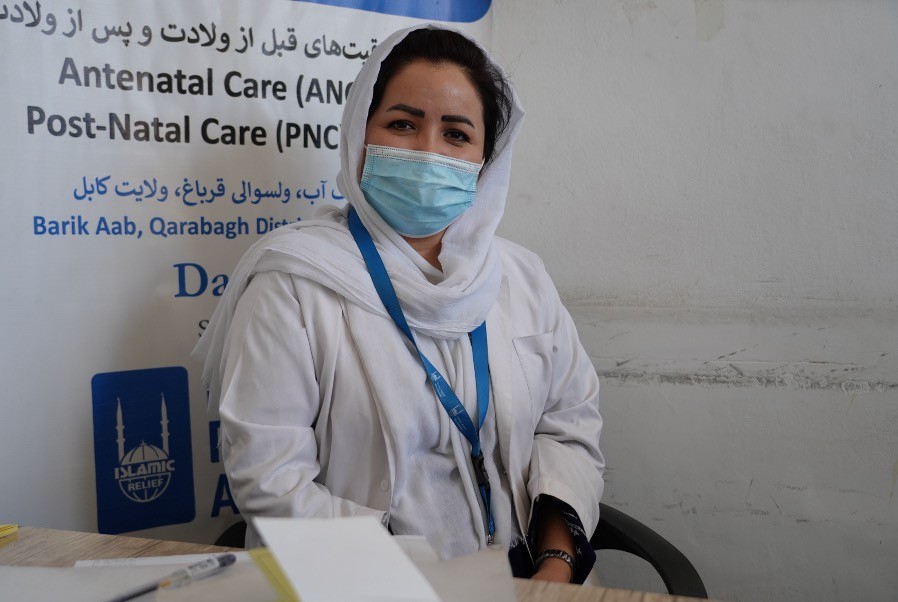
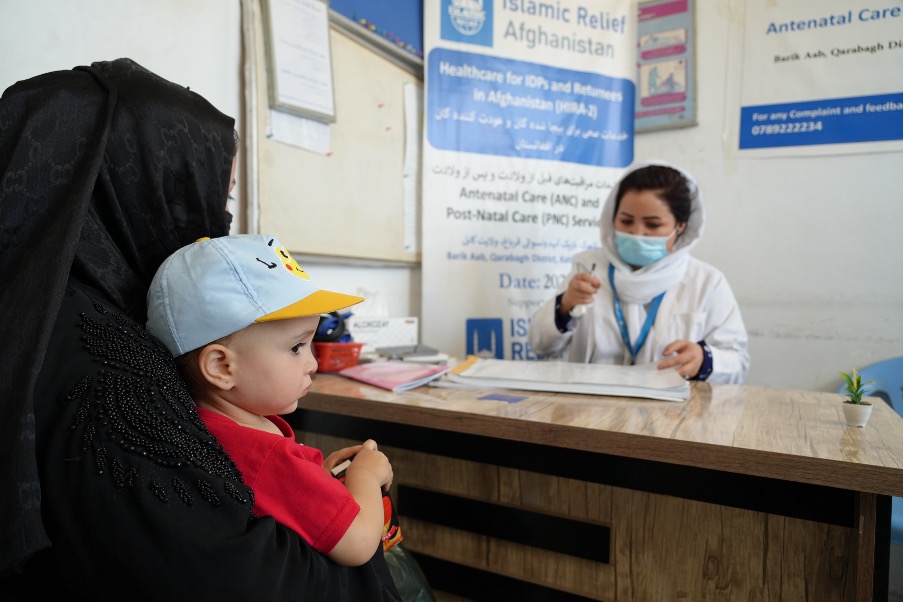
Dr. Masih Farahimi delivering healthcare to a mother and son, a simple act of care that defies a system seeking to erase her
What keeps her going
“The need of the people, especially women and children, motivates me,” Dr Masih says. “Many of them depend on our presence for basic healthcare and awareness. Knowing that I can make even a small difference gives me strength to keep going.”
“Even then, it’s hard.” She adds.
The mental and emotional toll of working under such conditions is immense. Female-friendly spaces where women could gather and support each other have closed. Dr Masih copes by staying home when mentally exhausted, spending time with other women, sitting with family, and trying to think positively.
“I believe that the situation will eventually change for the better, inshallah,” she says, her faith evident, despite everything.
The ripple effects
The restrictions don’t only harm female health workers. They devastate the entire healthcare system and the communities it serves. Afghanistan now has 1 of the world’s largest workforce gender gaps. Just 1 in 4 women is working or seeking work, compared to nearly 90% of men.
Dr Masih shares an example: “I know a woman who suffers from haemorrhoids but is not allowed to go to the hospital because there is no female doctor or surgeon available. Her husband also refuses to let a male doctor examine her.”
The woman suffers in silence, denied care because of her gender.
It is a story repeated across Afghanistan, where women’s access to healthcare has become increasingly difficult. Fear, mobility restrictions, education bans, and systemic discrimination keep women and girls from getting the care they need.
A different kind of violence
This is gender-based violence. Not always physical, but violence, nonetheless. It is the deliberate erasure of women from education, employment, and public life. The systematic denial of their autonomy, their voice, their right to exist fully in society.
The UN has stated these restrictions may constitute crimes against humanity. Yet women like Dr Masih continue showing up, providing care, refusing to be erased.
Dr Masih’s requests are straightforward: more flexibility around travel restrictions and access to training, safe transportation options for female staff, more community sensitisation and an increase in mental health support.
“These would make a big difference,” she states.
But her deeper hopes go further.
“I hope all these restrictions will be lifted and women will be allowed to make decisions about their own lives. Schools and universities should reopen. We should not be punished further simply because of our gender. I want my rights to be respected as a human being and not to be deprived of my basic freedoms.”
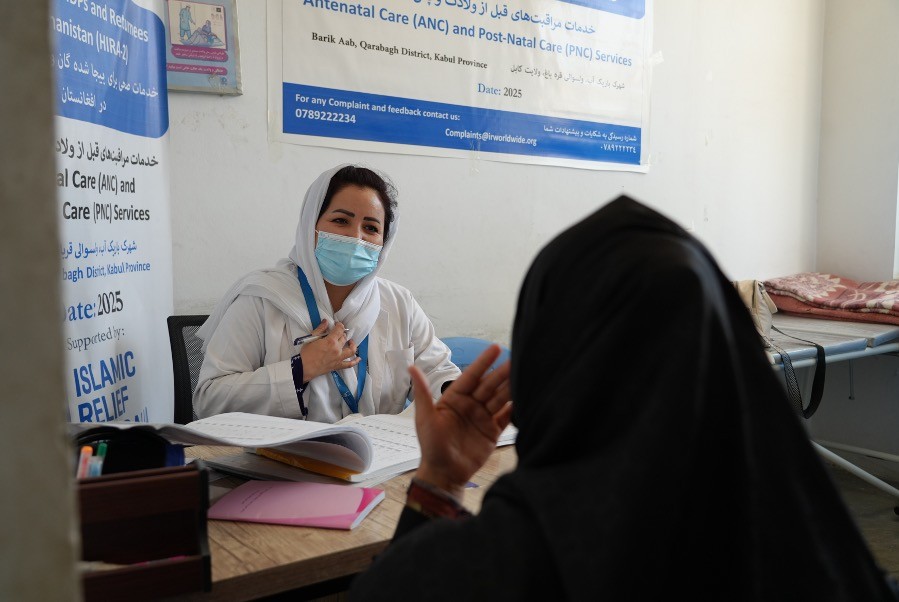
Dr. Masih provides essential care in an Islamic Relief-supported clinic.
The strength to continue
“I am a very strong woman, alhamdulillah,” Dr Masih says.
This is not bravado. It is survival. It’s the strength of every woman who continues working despite restrictions designed to stop her.
Islamic Relief continues to support healthcare workers like Dr Masih through projects like Hira, providing safe and supportive work environments despite enormous challenges. The organisation tries to create inclusive environments for female staff, ensuring they work with dignity and respect even as the broader context makes this increasingly difficult.
“Despite the current restrictions, I find the Islamic Relief workplace relatively safe and supportive,” she reflects. “My team always ensures we work with dignity and respect.”
In a country where being a woman in public can lead to arrest, where speaking aloud is forbidden, where education and employment are systematically denied, Dr Masih continues to serve. Not because it’s easy. Not because it’s safe. But because lives depend on it.
That’s not just resilience. That’s revolutionary hope in action.
As we mark the 16 Days of Activism, Dr Masih’s story reminds us that solidarity requires more than sympathy. It demands action. Afghan women haven’t given up. Neither should the international community.
Islamic Relief stands with women and girls facing violence and discrimination worldwide. During the 16 Days of Activism and every day, we remain committed to supporting the rights, dignity, and wellbeing of all people. Support our work today and donate.