

Editor’s note: This article contains details of the Bosnian War that some may find disturbing.
 Between 1992 and 1995, the country of Bosnia and Herzegovina was devastated by a brutal war that killed 100,000 people and displaced more than 2 million.
It was a conflict defined by ethnic cleansing. Armed forces deliberately targeted Bosniak Muslims – killing, raping, torturing, looting and pillaging, and violently forcing Bosniak populations from their homes.
More than 30 years later, Bosnia is still scarred by the conflict.
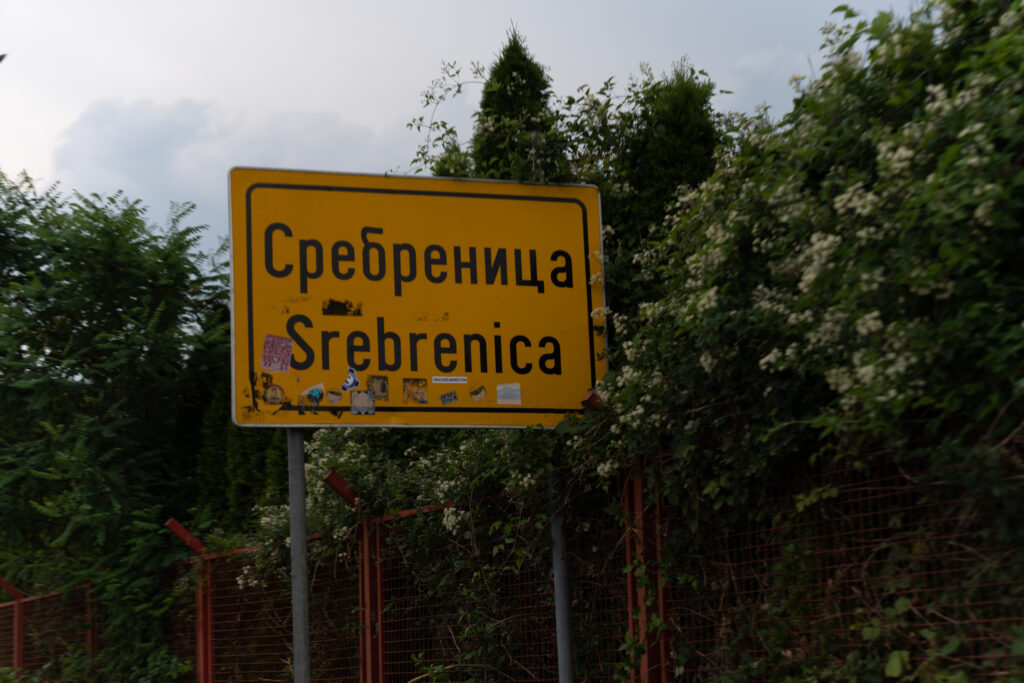
The list of atrocities committed during the Bosnian conflict is long, but the events of Srebrenica stand out as a moment that finally captured the attention of the world.
On 11 July 1995, Bosnian Serb soldiers captured Srebrenica in eastern Bosnia and over the next few days, systematically murdered more than 8,000 Bosniak Muslim men and boys.
It was the largest massacre carried out on European soil since World War II and was recognised as a genocide by the United Nations.
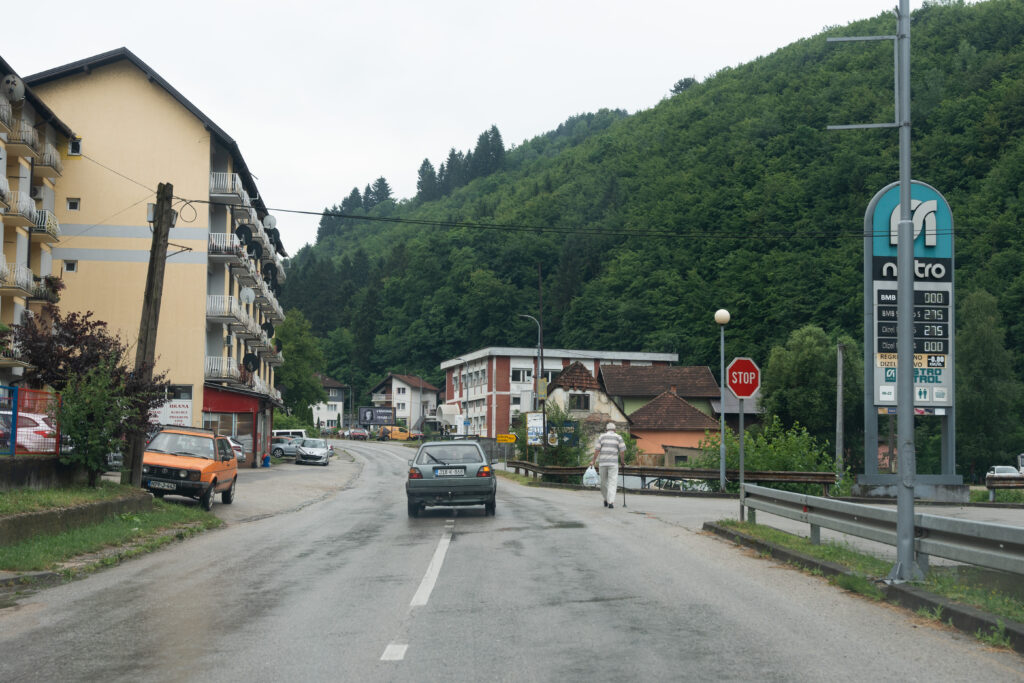
Today, Srebrenica is a quiet town that feels frozen in time.
From a pre-war population of 10,000 people, now only 2,000 remain. There are very few jobs available and those who still live there are surrounded by reminders of the violence.
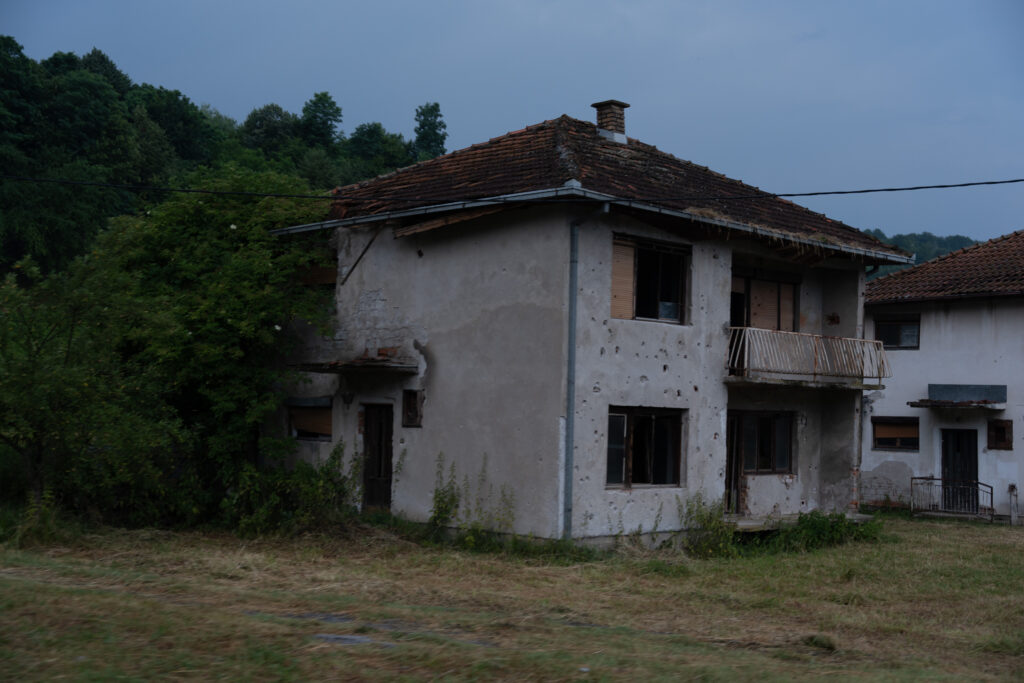
Scattered throughout Srebrenica are abandoned homes, walls studded with bullet holes. No one knows who owns them, so they have remained derelict and empty for more than 30 years.
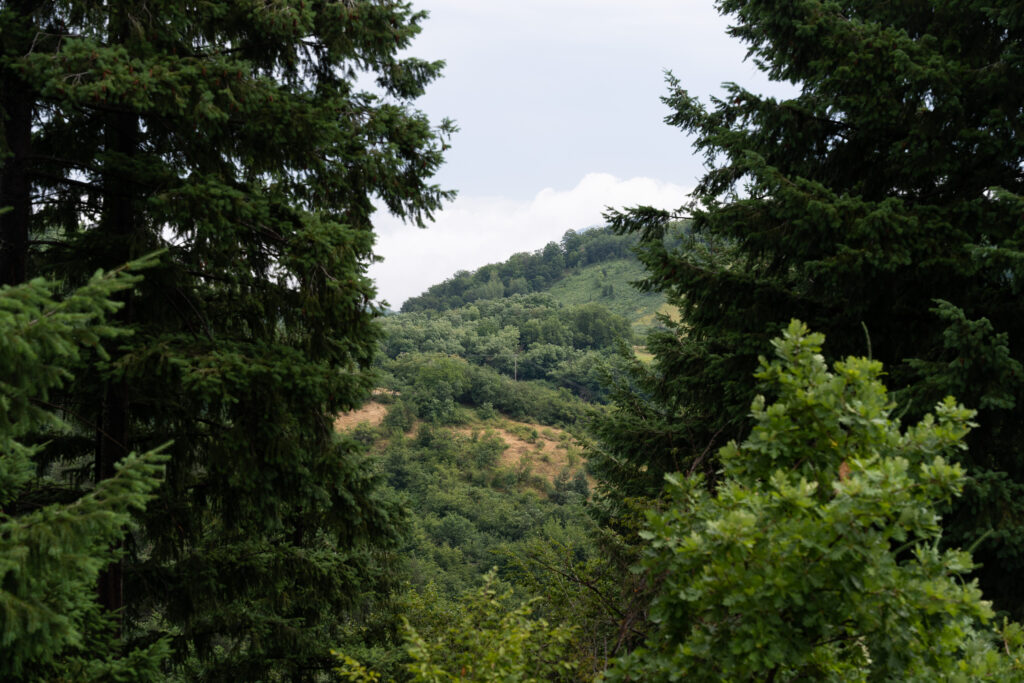
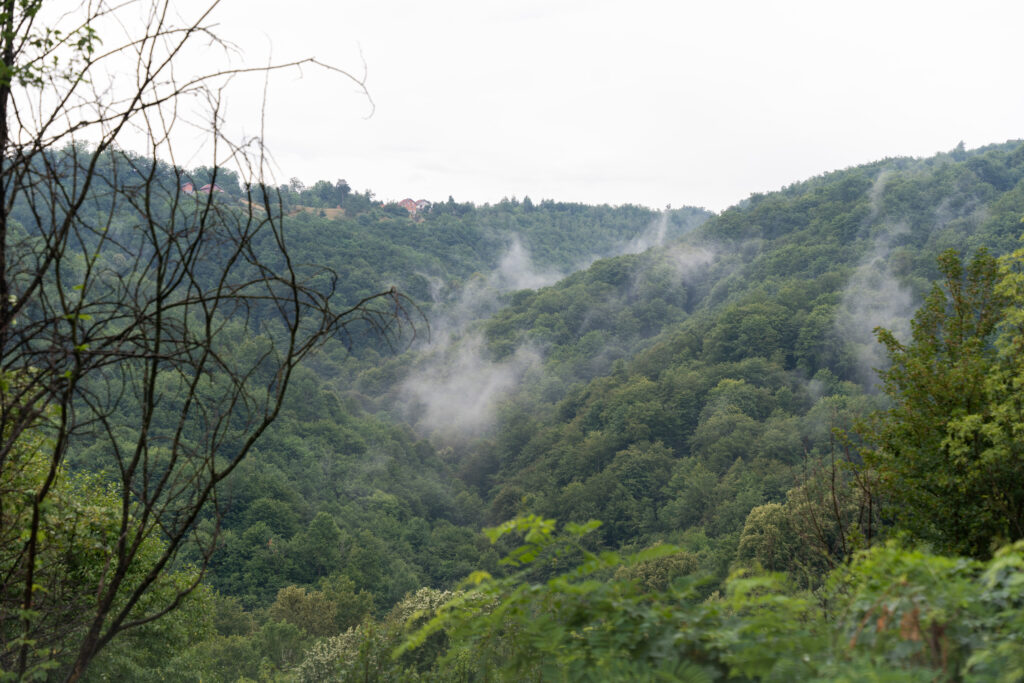
The town is surrounded by forests which acted as cover for a huge group of 10,000 Bosniak men and boys who fled the events of the genocide, trying to reach the free city of Tuzla more than 60 miles away. Just 3,000 people survived the perilous journey that has since become known as the ‘death march’.
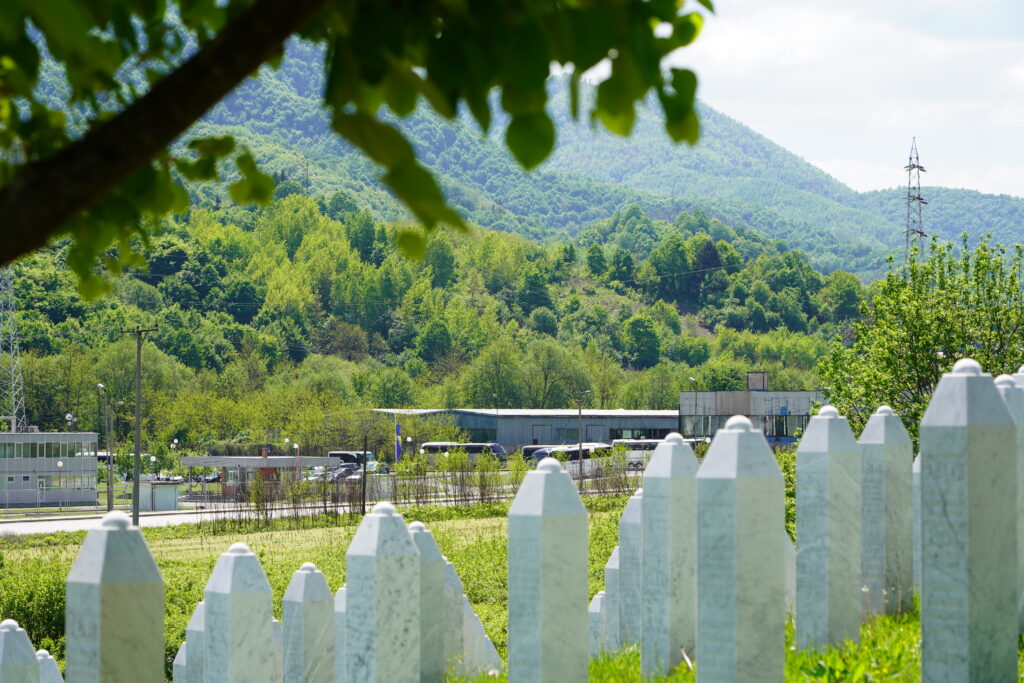
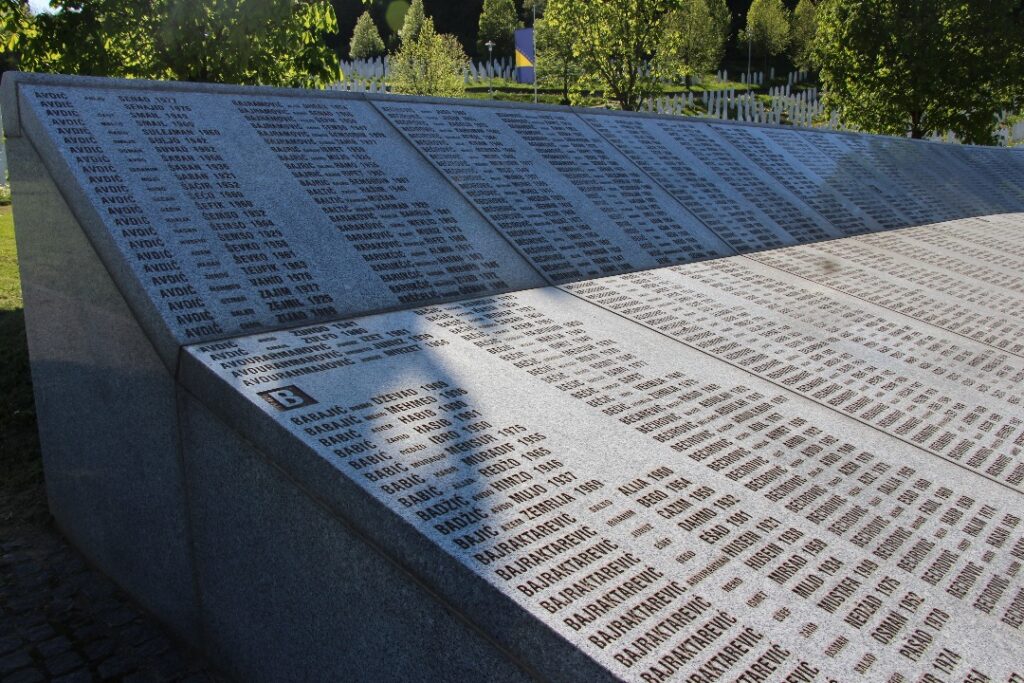
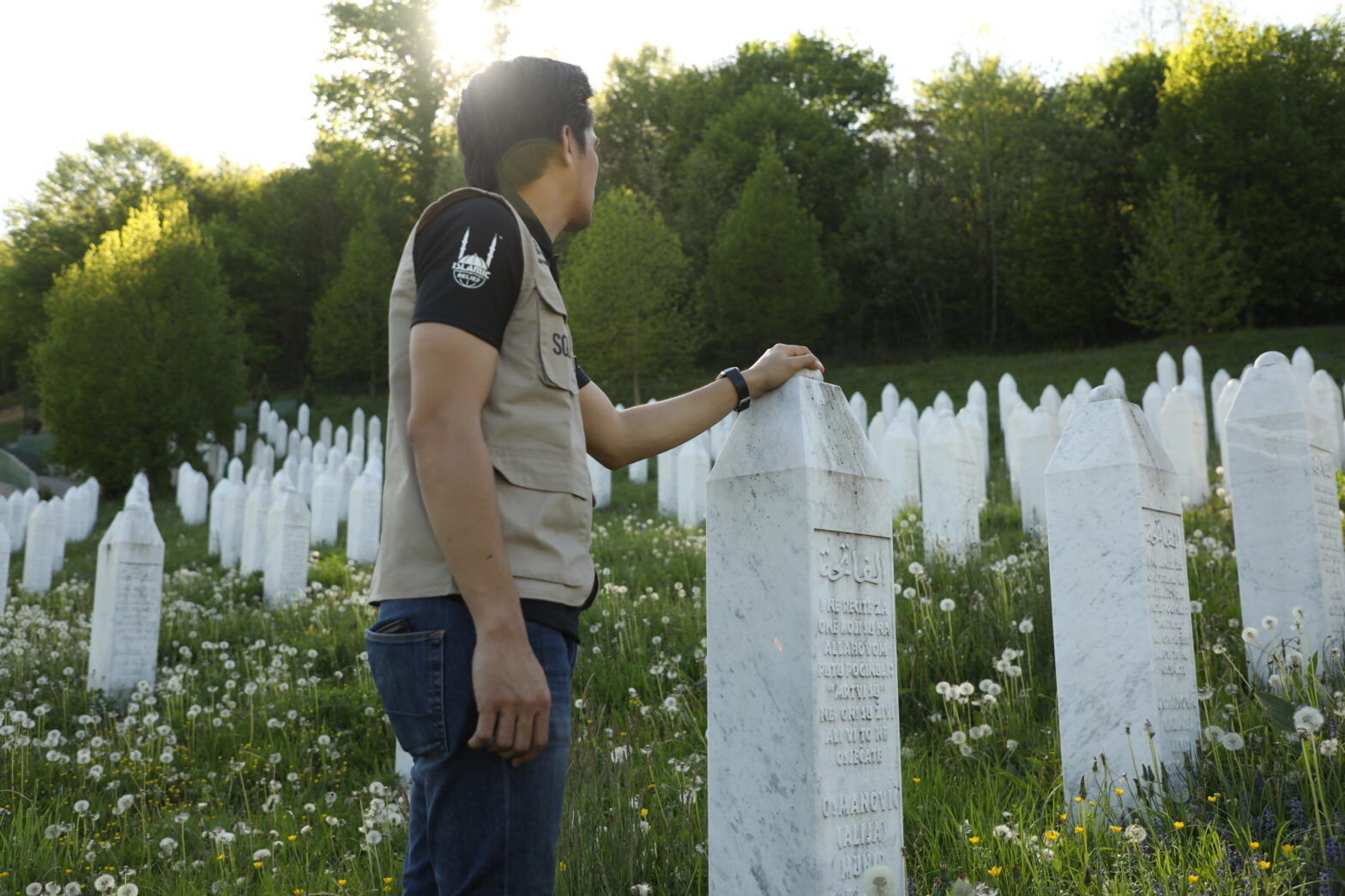
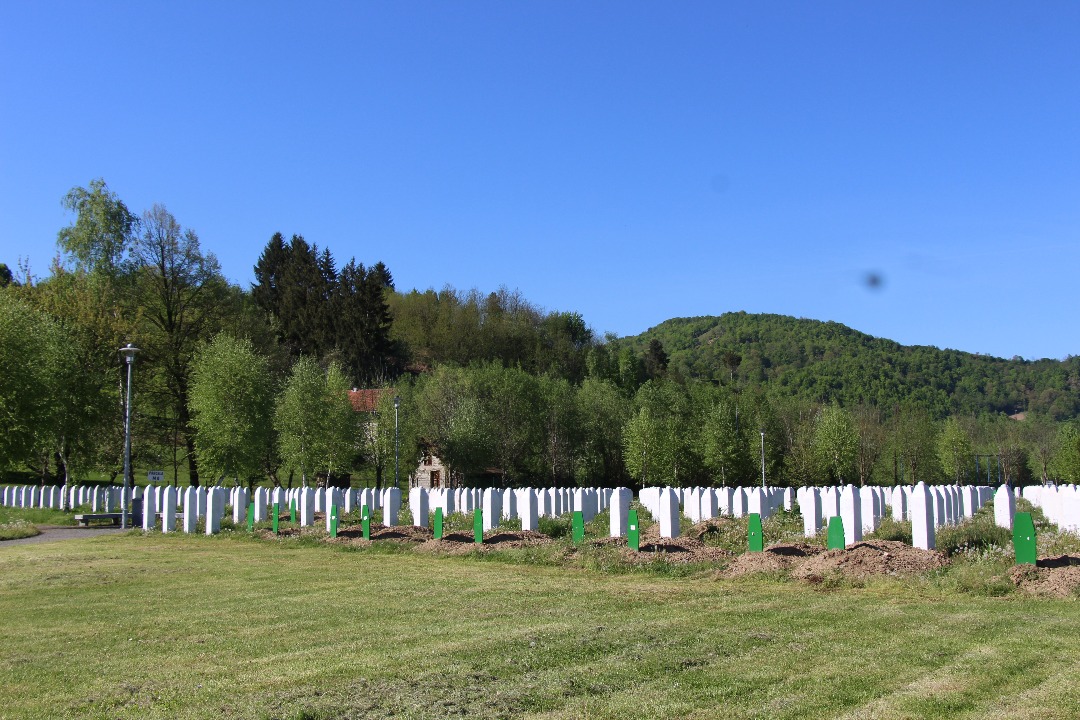
Located outside of Srebrenica is the Srebrenica Genocide Memorial which stands as a monument to the 8,732 victims of the genocide. The figure of those murdered is not final. There are spaces left in the centre as every year, new graves are unearthed and new victims found.
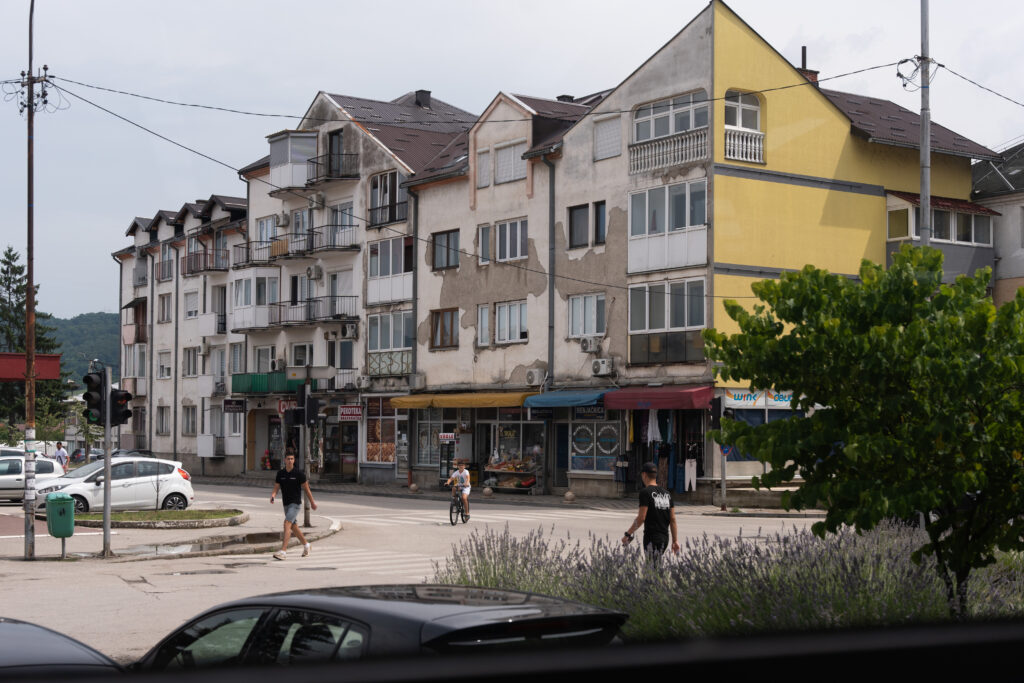
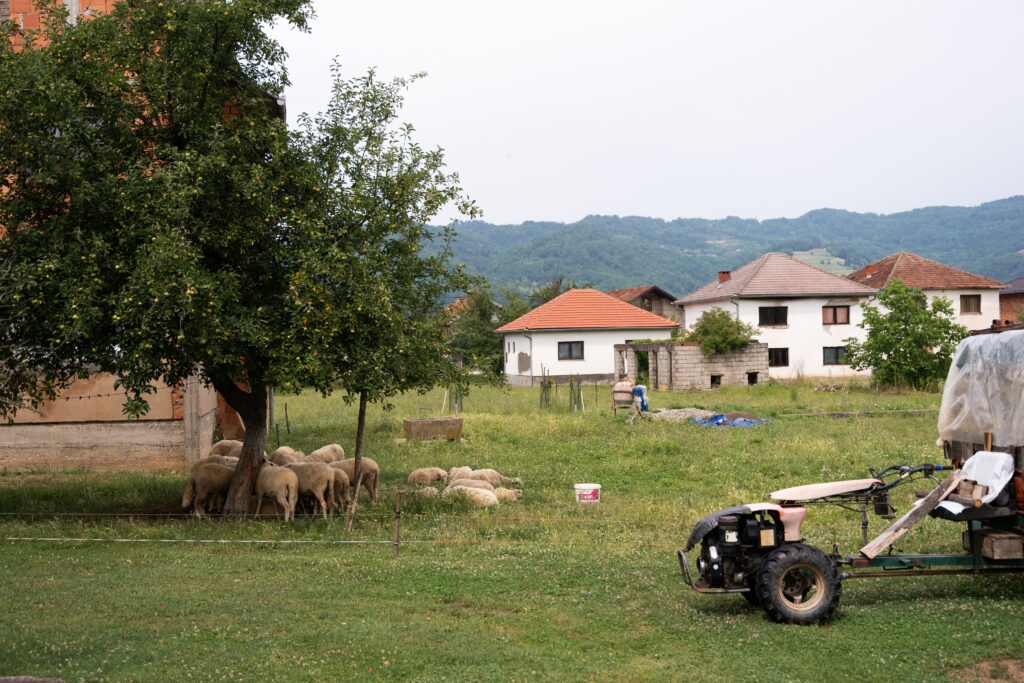
Many of the victims of the genocide came from towns like Bratunac. Before the war, Bosniak Muslims made up some 64% of the population. Now, in 2026, they make up just 34%.
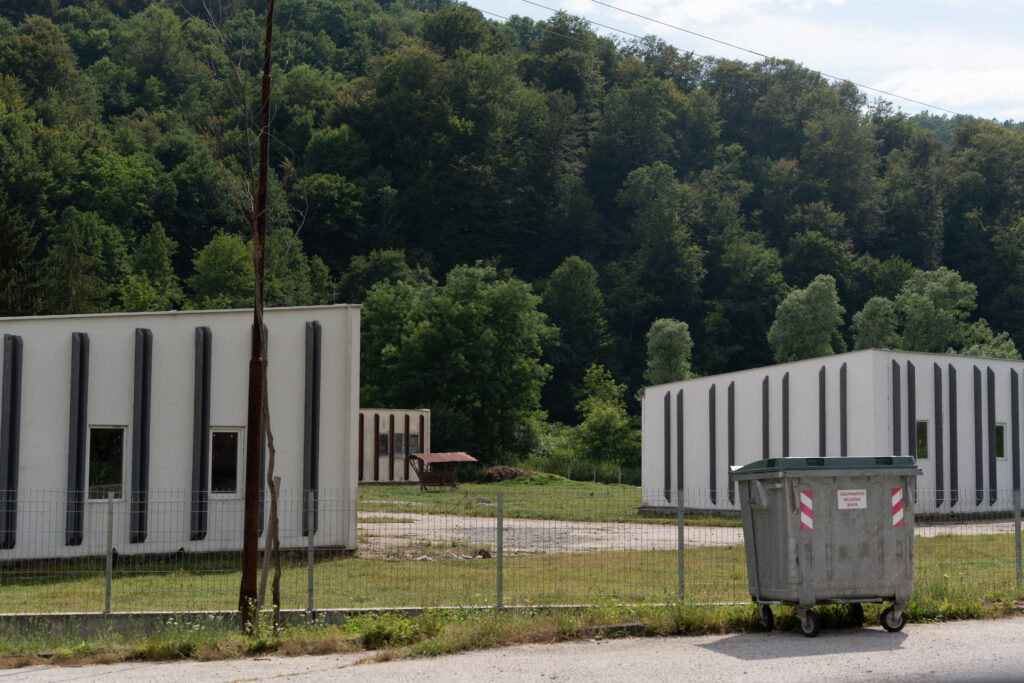
While it is known as the Srebrenica Genocide, the killings took place across eastern Bosnia. Republika Srpska forces transported Bosniak men and boys (aged from 12 to 77) out of Srebrenica by bus and took them for so-called ‘interrogations’.
Pictured is the Kravice warehouse, one of dozens of sites across eastern Bosnia where victims were murdered in the thousands. It is estimated that between 1,000 and 1,500 men were killed at Kravice.
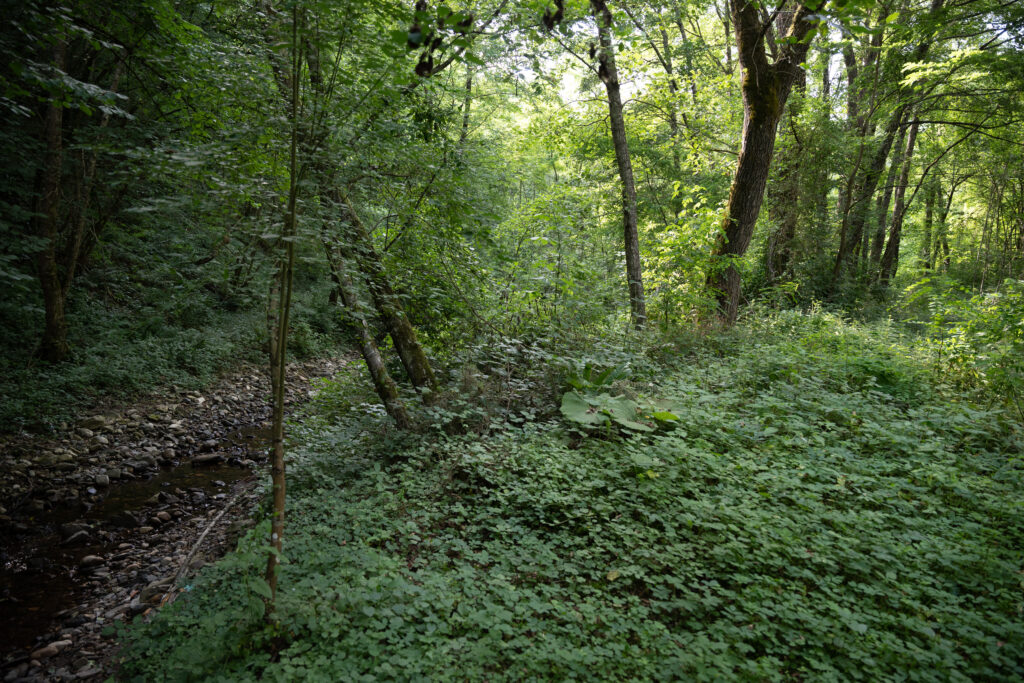
There are so many locations like Kravice across Bosnia and Herzegovina, they blend into the countryside. Locals pass by them every day, sometimes they even live next door to them.
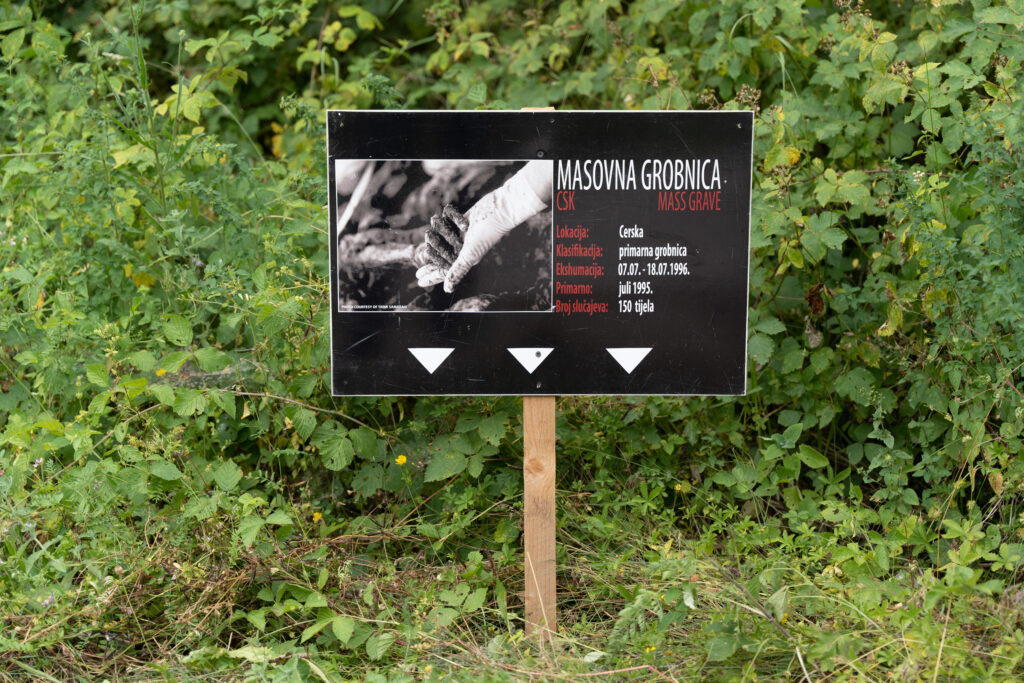
Mass graves are dotted across eastern Bosnia, often in the most unassuming locations. The Srebrenica Memorial Centre reports that remains of those murdered at Srebrenica have so far been found in 94 mass graves.
Pictured is the grave located at Cerska, 17 miles from Srebrenica. The grave was exhumed in 1995 and contained 150 remains of victims estimated to range from age 14 to 50 years at the time of their deaths.
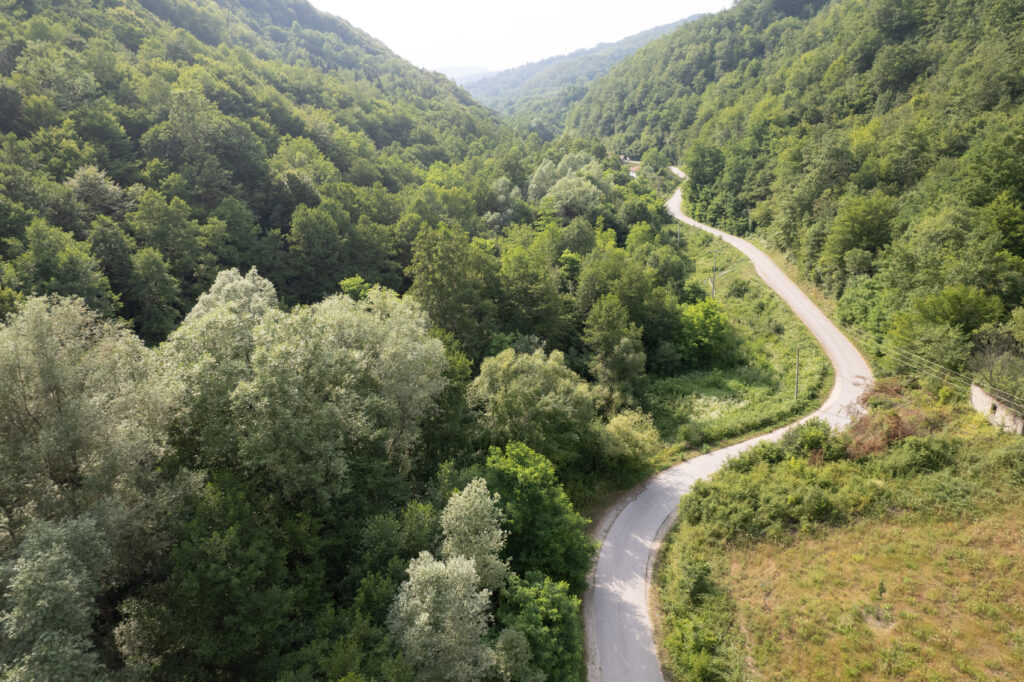
On the outskirts of the town of Vlasenica, another mass grave is hidden by forest.
Over a period of 8 years, 54 victims were found buried here. Among that number were 11 children aged from 4 to 12 years old.
Decades later, memories of the war remain unavoidable in Bosnia. There are reminders everywhere, the very land itself is scarred.
An entire generation of Bosnians only know their parents from photographs and home videos. Whether they lost fathers to the Srebrenica Genocide, or mothers, brothers and sisters in the conflict, many people live every day feeling the losses of war.
To learn more about the Srebrenica Genocide, the events of the Bosnian War and how Islamic Relief have stood with the Bosnian community for more than 30 years, you can read the full collection of stories here.