

BEIRUT, 28 April 2026 — Lebanon continues to face a worsening humanitarian situation as displacement remains widespread and essential services struggle to keep pace with growing needs across the country.
Despite limited return movements recorded since mid-April, displacement remains prolonged and unstable. Many families are unable to return home permanently and instead make short visits before being displaced again due to insecurity, lack of basic services, and continued safety concerns.
An estimated 1.2–1.3 million people (around 20% of the population) remain displaced nationwide. As of 23 April, approximately 121,225 people are residing in 642 collective shelters. While this reflects some fluctuations in displacement patterns, shelter conditions remain critical, with 630–660 shelters still operational and many exceeding capacity, particularly in Beirut, Mount Lebanon, the South, and Bekaa.
The humanitarian impact of the crisis continues to escalate. Since early March, more than 2,489 fatalities and 7,719 injuries have been reported. In addition, over 147 attacks on healthcare facilities have been recorded, resulting in casualties among healthcare workers. The health system has also been severely affected, with six hospitals closed, 15 damaged, and more than 55 primary healthcare centres (PHCCs) partially or fully non-functional.
Widespread destruction of civilian infrastructure has further deepened the crisis, with an estimated 37,674 housing units destroyed, leaving thousands of families without adequate shelter.
Humanitarian response efforts continue across affected areas; however, operations remain severely constrained. Access restrictions, fuel shortages, and funding gaps are significantly limiting the scale and speed of assistance delivery, hindering efforts to reach all those in need.
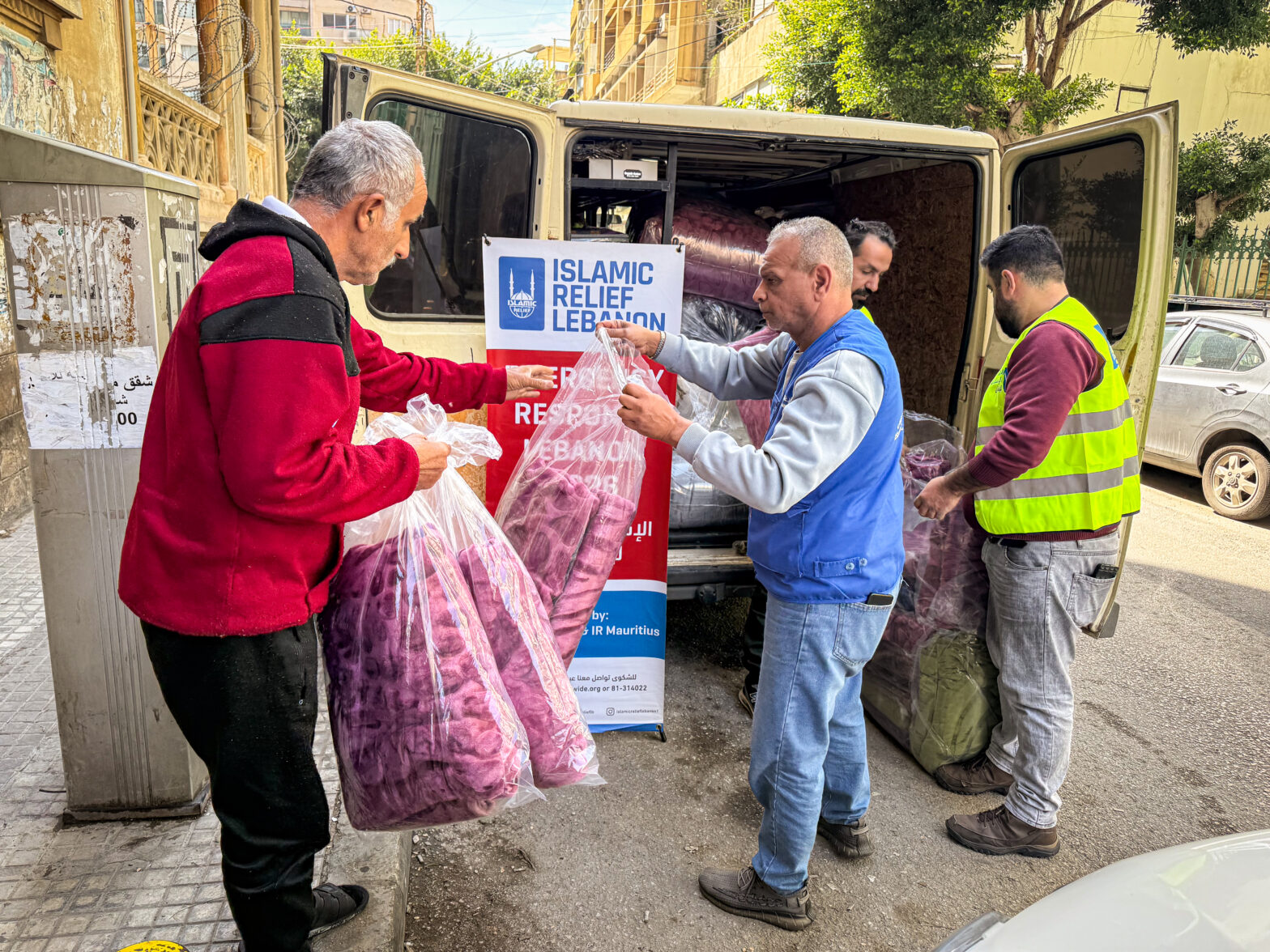
Despite these challenges, Islamic Relief continues to provide life-saving assistance to affected communities. To date, the organisation has supported emergency response efforts including the distribution of 500 food parcels, 3,238 ready-to-eat meals, 1,040 hot meals, 1,314 hygiene kits, 200 blankets, and over 9,000 gallons of clean water to displaced families.
These interventions aim to meet urgent basic needs such as food, water, shelter support, and hygiene, particularly for families in collective shelters and hard-to-reach areas.
Humanitarian organisations, including Islamic Relief, continue to call for urgent and sustained international support to address escalating needs and ensure affected families receive timely assistance, protection, and dignity.