

Access to clean water is essential for health, hygiene, and survival. Yet, for millions of people in Bangladesh, obtaining safe drinking water remains a daily challenge due to groundwater contamination, climate change, seasonal flooding, and inadequate water supply infrastructure.
Recognising the importance of clean water, Islamic Relief Malaysia launched the Facilitating Water Access in Northern Bangladesh (FWAB) project to improve access to safe and sustainable water sources for communities in Mymensingh and Modhupur Upazila, Tangail District.
Since its inception in 2020, the project has been implemented in phases, focusing not only on providing water facilities but also on empowering communities through maintenance training, hygiene education, and capacity-building programmes to ensure long-term sustainability.
Why is access to clean water still a challenge in Bangladesh?
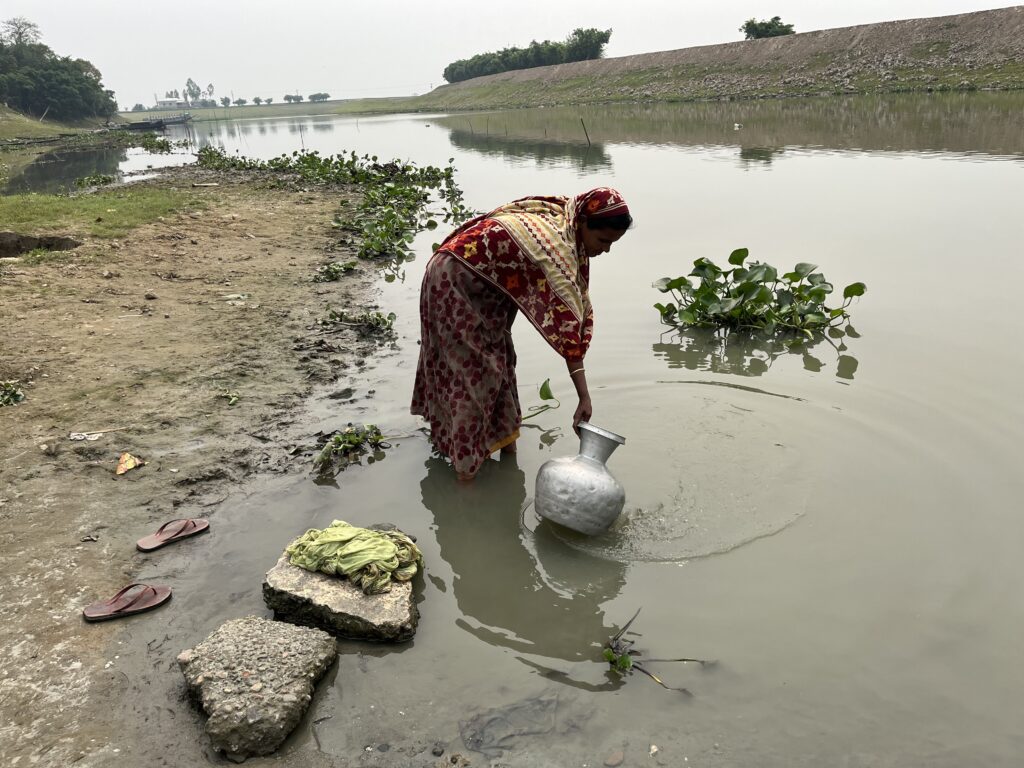
Although Bangladesh is home to an extensive network of rivers, many rural communities continue to struggle with access to safe drinking water.
Some of the major challenges include arsenic contamination in groundwater, bacterial contamination caused by inadequate sanitation systems, seasonal flooding that pollutes water sources, and the effects of climate change, which have led to increased salinity in certain areas.
According to UNICEF, only around 39.3% of Bangladesh’s population has access to safely managed drinking water services. This situation increases the risk of waterborne diseases and negatively affects public health, education, and overall community well-being.
For this reason, improving access to clean water remains a critical step towards enhancing the quality of life for vulnerable communities.
Facilitating Water Access in Northern Bangladesh (FWAB)
Between 2020 and 2025, Islamic Relief Malaysia implemented five phases of the FWAB project across several locations in Kuragacha, Aushnara, and Veribait in Mymensingh and Modhupur Upazila, Tangail District.
Throughout the project, Islamic Relief Malaysia successfully:
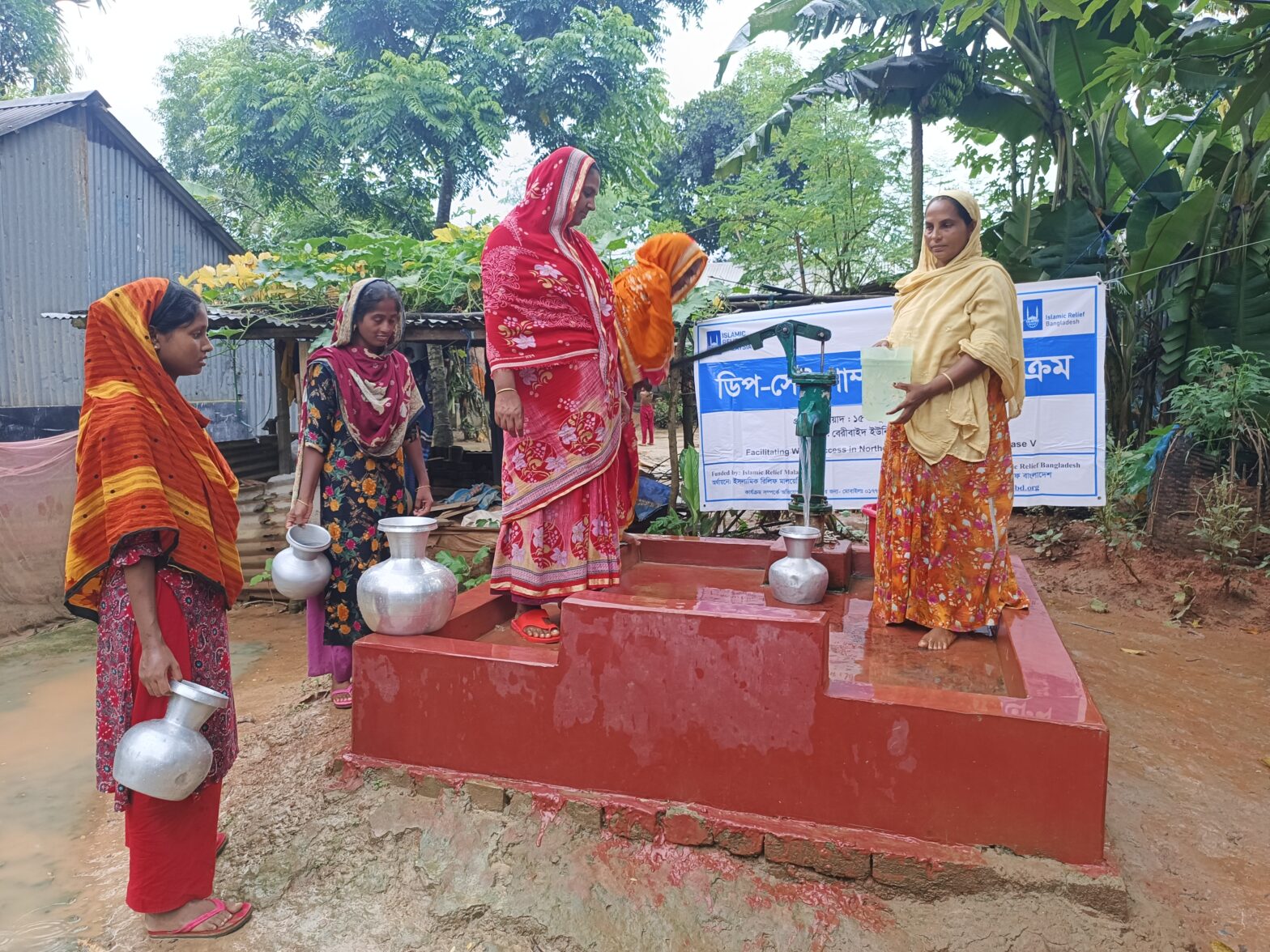
- Constructed 98 tube wells or deep set pumps
- Trained 102 local caretakers in the maintenance and repair of water facilities
- Conducted hygiene promotion and awareness programmes on the importance of clean water; and
- Reached 4,366 right holders
Over the five-year implementation period, the project evolved in response to the changing needs of local communities. In 2020, FWAB focused on installing tube wells while providing caretaker training and hygiene awareness programmes. The project expanded in 2022 with the installation of additional water facilities and continued maintenance training for local communities. By 2025, the project introduced Deep Set Pumps (DSPs) to improve access to safer water sources in areas where deeper groundwater extraction was required.
Impact on communities
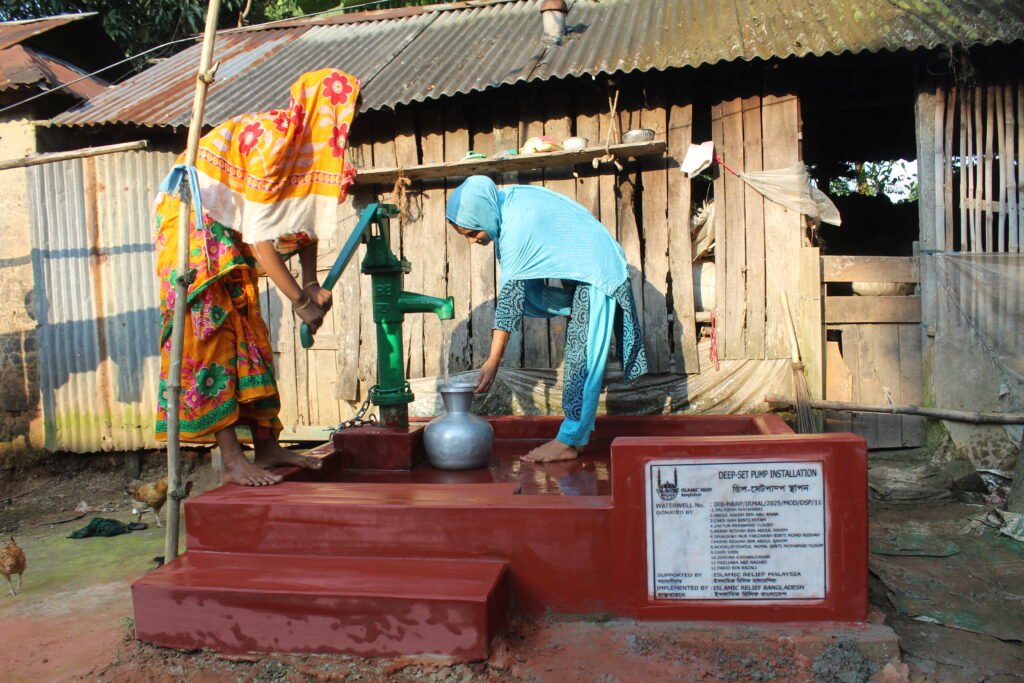
Access to clean water has significantly improved the lives of local communities. For many families, the facilities provided through FWAB have reduced their dependence on contaminated water sources while making it easier to obtain safe water for daily use.
At the same time, training local caretakers and strengthening community capacity have helped ensure that the water facilities are properly maintained, contributing to the long-term sustainability of the project.
Hygiene promotion activities have also increased community awareness of good hygiene practices, safe water use, and the prevention of waterborne diseases, ultimately contributing to healthier and more resilient communities.
Bringing hope through clean water
Access to clean water is about more than meeting basic drinking needs. It supports better health, improved hygiene, education, and overall well-being, enabling communities to build safer and more dignified lives.
Through the generous support of donors to the Dana Wakaf Sistem Air (DWAS) campaign, Islamic Relief Malaysia remains committed to expanding access to clean water for vulnerable communities. Every contribution not only helps provide safe water facilities but also represents a long-term investment in building a brighter future for thousands of families across Bangladesh.