

Aceh Flood Relief Restores Lives of 900 Families
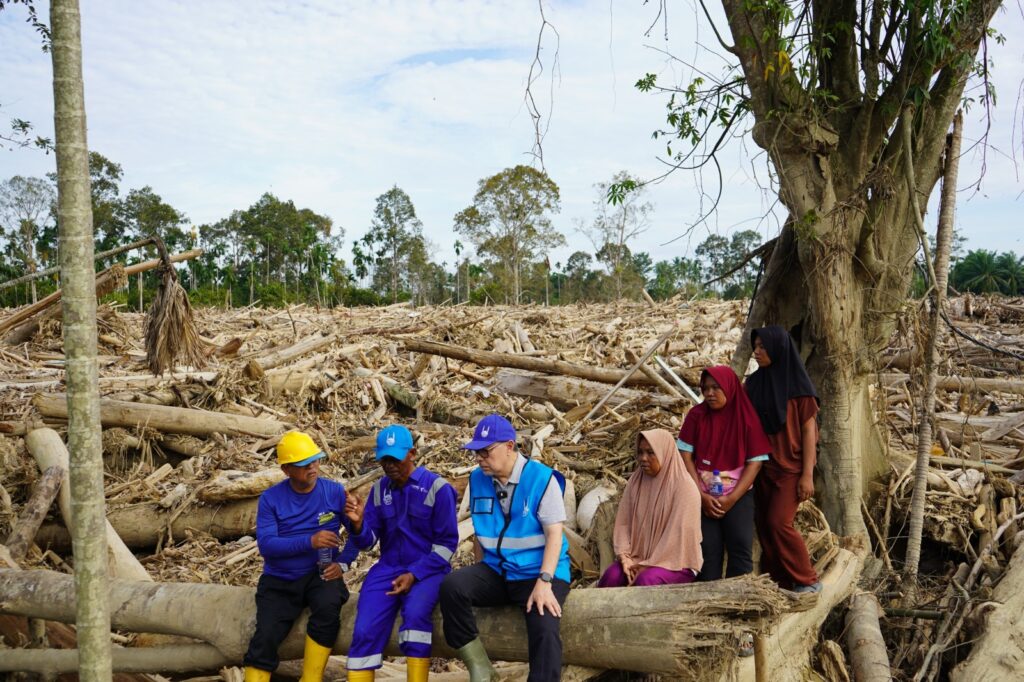
Severe floods and landslides that struck Aceh, Indonesia from late 2025 to early 2026 caused widespread destruction and affected thousands of people. Continuous heavy rainfall caused water levels to rise more than five metres in some areas, sweeping away homes, schools and community facilities.
Thousands of families were left homeless, while damaged roads and collapsed bridges disrupted rescue operations and humanitarian aid deliveries. In these difficult circumstances, many affected communities relied heavily on support from humanitarian organisations to survive and recover.
 Aceh Flood Crisis Affects Thousands of People
The disaster across several areas in Aceh had a devastating impact on local communities.
The main challenges faced by affected communities included:
- Homes, schools and community buildings destroyed by floods and landslides.
- Roads and bridges damaged, leaving many areas isolated.
- Limited access to food supplies and clean water.
- Sharp increases in food and essential item prices, with costs rising nearly three times higher in some areas.
- Increased waterborne diseases, including diarrhoea and skin infections, due to poor sanitation conditions.
- Vulnerable groups, including babies, children, pregnant women, breastfeeding mothers, older people and persons with disabilities, being among the most affected.
In agricultural areas, more than 107,000 hectares of rice fields were reportedly damaged, affecting livelihoods and food security for many families.
Islamic Relief’s Support for Aceh Flood Victims
To help reduce the suffering of affected communities, Islamic Relief Malaysia, in collaboration with Islamic Relief Indonesia, implemented the Aceh Flood Emergency Response (AFER) across three phases.
The response focused on emergency assistance, essential needs and the provision of temporary shelter for families affected by the disaster.
Throughout the project implementation, 900 families received various forms of assistance, including:
 1. Temporary Shelter
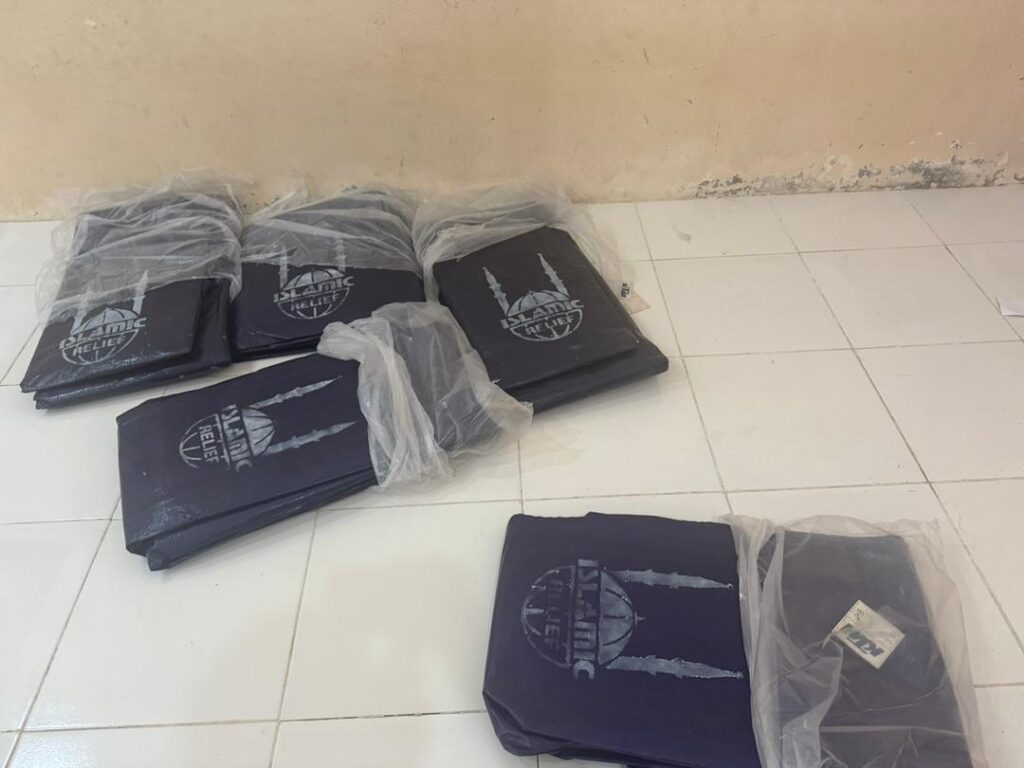
A total of 497 families received high-quality tarpaulins as temporary shelter solutions, while six temporary shelters were constructed for the most vulnerable families, including older people, families with young children and persons with disabilities.
As part of a more sustainable recovery approach, some shelters were built using wood materials recovered from flood debris, reflecting an innovative circular recovery approach.
2. Food Assistance
Islamic Relief distributed food assistance to affected families through several phases of emergency response.
The support provided included:
- Emergency food supplies
- 50 food packs
- 64 iftar packs
- Three cattle provided for community kitchens
These interventions helped families access nutritious meals while communities continued recovering from the impact of the floods.
3. Clean Water and Hygiene Kits
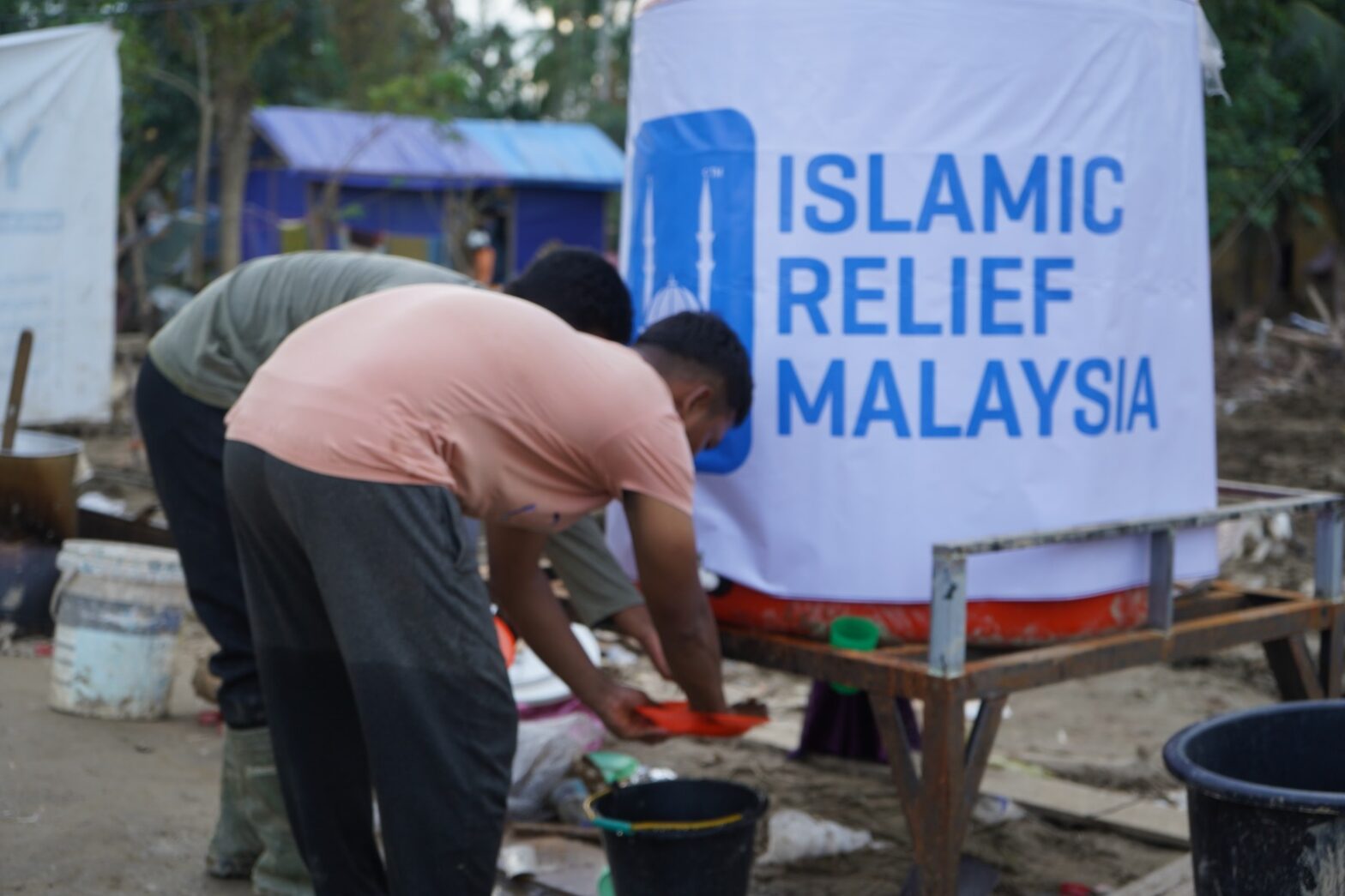
To reduce the risk of waterborne diseases, Islamic Relief distributed hygiene kits and installed three clean water tanks at strategic locations that were accessible to the community.
This initiative helped families maintain better health and safety while providing access to safe water for drinking and daily needs.
Due to severe damage to roads and transportation routes, Islamic Relief also received support from the Indonesian Navy and Indonesian Red Cross to deliver humanitarian supplies by sea.
This collaboration enabled essential assistance to reach isolated communities more quickly.
Impact of Assistance on Flood-Affected Communities 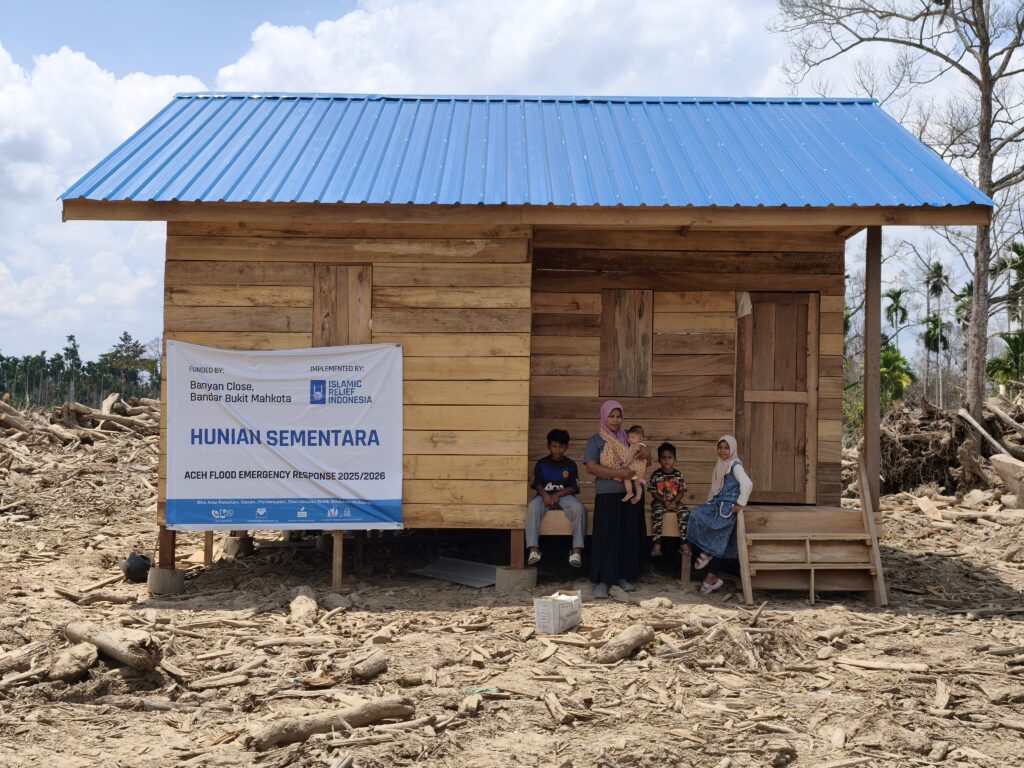
The implementation of the AFER project brought significant improvements to affected communities.
Key impacts included:
- Families gained access to safer temporary shelter.
- The risk of waterborne diseases was reduced through improved access to clean water.
- Communities received better food support through community kitchen initiatives.
- Local communities worked together to build temporary shelters for families in need.
- Emergency operations were delivered efficiently through pre-positioned relief supplies.
- No serious disease cases were recorded throughout the intervention period.
Beyond meeting immediate needs, this assistance helped restore dignity, safety and hope among affected families as they began rebuilding their lives after the disaster.
Extend Your Support Through MySedekah
Natural disasters can strike without warning and leave lasting impacts on vulnerable communities. Public support plays an important role in ensuring families receive life-saving assistance when they need it most.
Through the MySedekah campaign, you can help provide food, clean water, temporary shelter and essential supplies to communities affected by disasters around the world.
Every contribution can bring renewed hope to families facing the most challenging moments of their lives.