

Imagine a water well has just been completed. Water begins to flow, and the community starts using it for their daily needs.
But does the project end there?
Actually, it does not.
Providing a water source is only one step towards ensuring that communities have access to safe and sustainable water. Behind a seemingly simple well, there are many aspects that need to be considered to ensure its benefits continue long after construction is completed.
From ensuring water quality and maintaining the facility to providing communities with the knowledge and awareness they need and ensuring proper maintenance, all these elements play a role in making a clean water project truly impactful in the long term.
 Clean water is about more than providing a water source
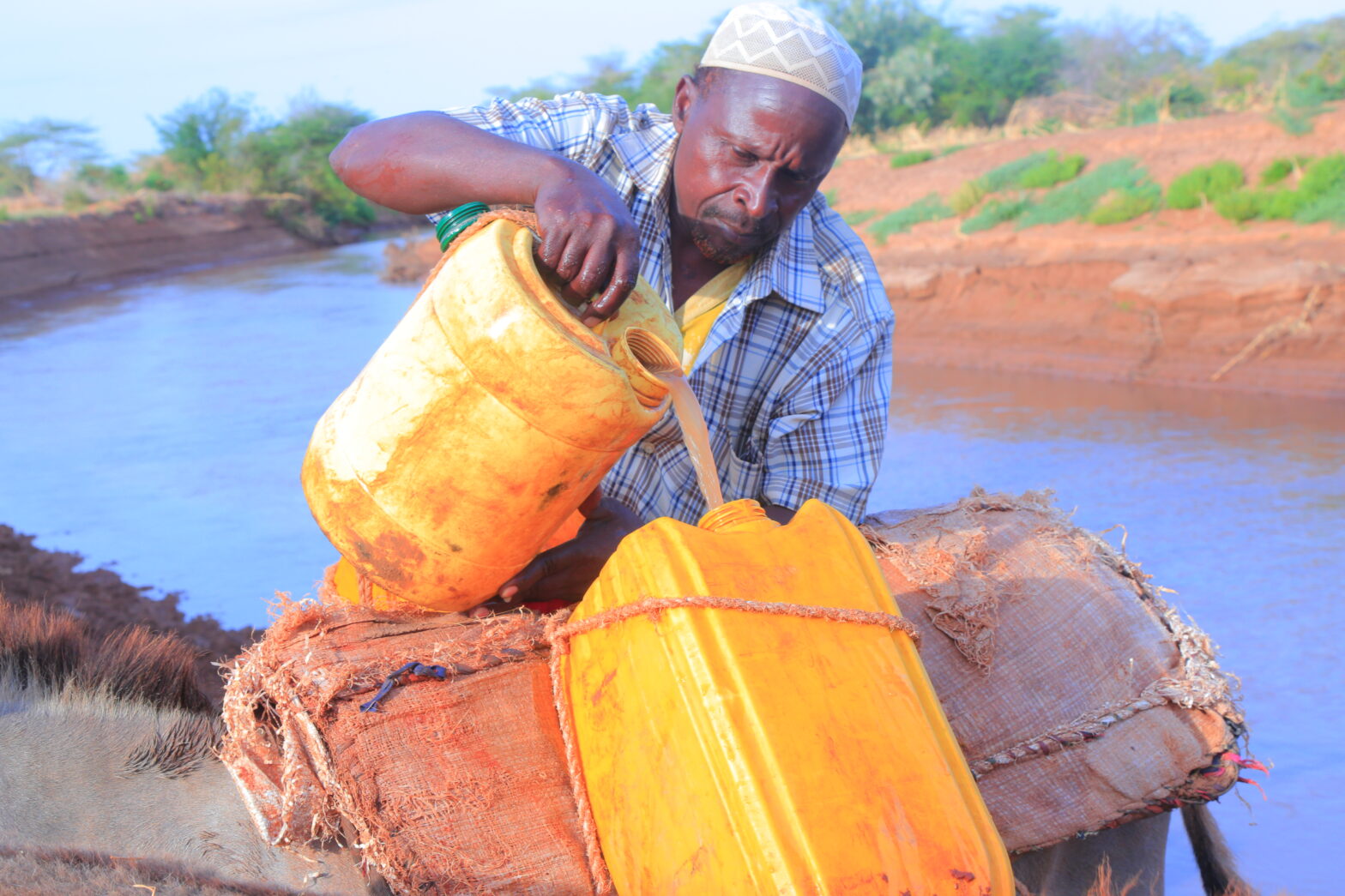
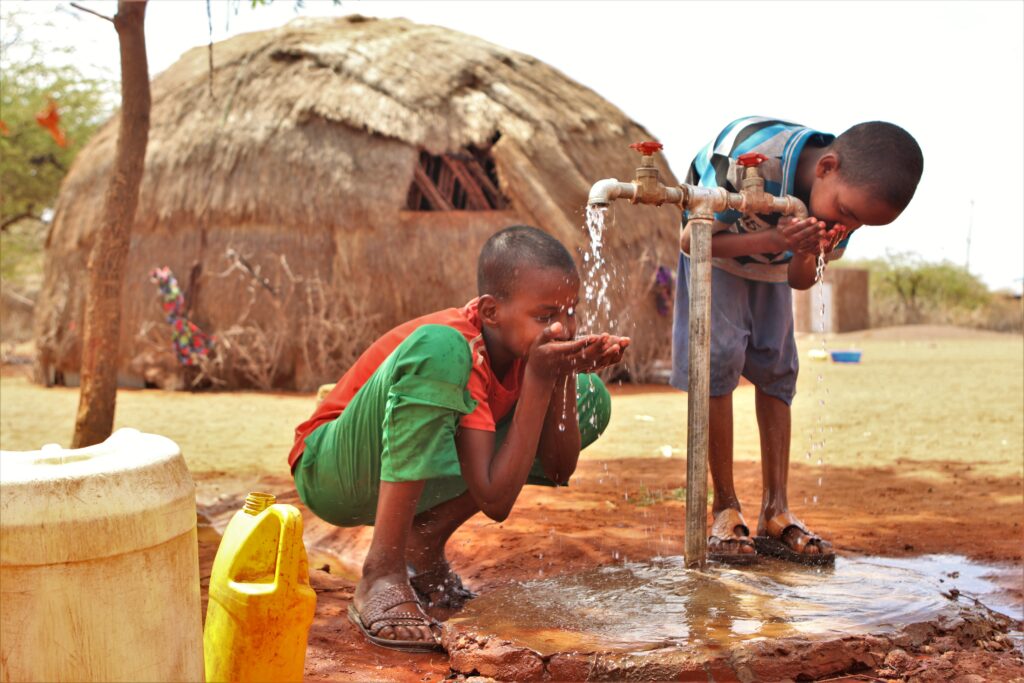
For communities facing water shortages, having a safe and accessible water source closer to home can transform their daily routines.
Water is needed not only for drinking, but also for cooking, washing clothes, maintaining personal hygiene and meeting household needs.
When water is difficult to access, family members may have to spend more time and energy collecting it. This can affect many aspects of their lives, including education, health and livelihoods.
For this reason, clean water projects should not be viewed simply as the construction of a physical structure. They are part of a broader effort to improve the well-being and resilience of communities.
- Ensuring the water is safe to use
One of the first priorities after establishing a water source is to ensure that the water is suitable and safe for the community to use.
Access to water alone is not enough if its quality cannot be guaranteed. Water sources need to be assessed and monitored to reduce the risk of contamination and give communities greater confidence in using them.
At the same time, the cleanliness of the surrounding area must also be maintained. Good hygiene practices help protect water sources from contamination and support better community health.
This is why efforts to improve access to clean water should go hand in hand with education on hygiene and safe water use.
- Helping communities learn how to care for their water source
A well may be built for community use, but its long-term benefits depend on how the facility is used and maintained.
Communities need to understand practices such as keeping the area around the water source clean, using the facility properly and knowing what to do if damage or other problems occur.
As part of a sustainable development approach, communities are not simply recipients of aid. They also play an important role in caring for and managing the facilities provided.
They are given appropriate training to operate and maintain the well, helping to ensure that the facility remains useful and accessible to the community.
When people have the knowledge and sense of responsibility to care for their water source, the facility has a better chance of continuing to benefit the community in the long term.
- Maintenance keeps the benefits flowing
What is the point of building a well if it can no longer be used when something goes wrong?
Like any other facility, water infrastructure requires care and maintenance. Even minor damage, if left unaddressed, can affect a community’s access to water.
Maintenance is therefore an important part of ensuring that a clean water project remains functional.
This may involve monitoring the condition of the facility, identifying problems early and ensuring that repairs can be carried out when necessary.
This is the difference between simply building a well and establishing a water source that can continue providing meaningful benefits over time.
- Communities are part of the solution
Sustainable aid is not simply about giving something to a community. It is also about ensuring that communities have the knowledge, capacity and opportunity to play a role in managing the resources they depend on.
Community involvement is important because local people understand the needs and challenges of their own communities best.
When communities are involved in caring for their water sources, it creates a greater sense of ownership of the facilities. This helps ensure that the water source continues to be used appropriately and that its benefits can reach more people.
This approach also supports efforts to empower communities so that they are not solely dependent on external assistance, but have the capacity to manage their own needs.
- The impact of a well goes beyond water
When we talk about water well projects, it is easy to think about their impact simply in terms of the amount of water they provide.
In reality, the impact can go much further.
When a water source is closer and easier to access, the time previously spent collecting or carrying water can be used for other activities.
For children, this time can be spent learning and attending school.
For women, the time saved can be spent with their families, working or engaging in income-generating activities.
For the wider community, better access to water can support improved hygiene, health and daily living conditions.
A well, therefore, does more than provide water.
It also provides time, opportunities and space for communities to build better lives.
- Water, health and a better quality of life
Safe water is one of the foundations of a healthy life.
It is essential for drinking, cooking and maintaining personal hygiene. Without access to safe water sources, communities can face greater challenges in maintaining cleanliness and protecting their health.
That is why efforts to improve access to clean water often go hand in hand with hygiene and sanitation education.
A seemingly small change, such as having a more accessible water source, can make a significant difference to a family’s daily life.
From washing hands to preparing food, clean water plays a role in almost every aspect of everyday life.
- From a single well to greater change
A well may seem like a simple facility.
But for communities that have long struggled to access water, it can become a starting point for greater change.
Access to water → time saved → improved hygiene → better health → greater opportunities to learn and work → more resilient communities.
This is why clean water projects need to be viewed in a broader context.
They are not simply about building wells or providing water facilities. They are about creating conditions that enable people to live safer, healthier and more dignified lives.
And the journey does not end when construction is completed.
It begins when the water starts flowing and continues as it benefits people’s lives, day after day.
What happens after a well is built?
So, what really happens after a well is built?
- The well is constructed.
- The water source is established and assessed.
- The community uses the facility and learns how to care for it.
- Maintenance is carried out to keep it functioning.
- The community benefits from improved access to water.
Most importantly, these benefits can hopefully continue to be felt, day after day.
Because the true purpose of a clean water project is not simply to build a well, but to ensure that water continues to benefit people.
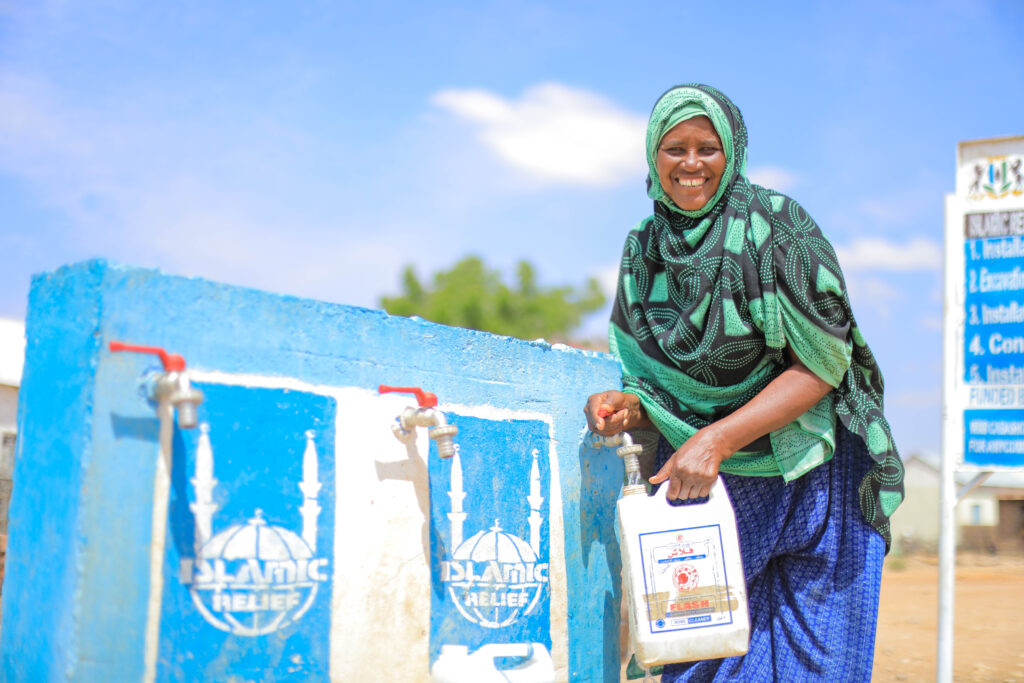 Make your contribution part of the change
Every contribution to a water project carries a meaning far beyond the amount given.
It can be part of an effort to provide a water source for a family. It can help reduce the time needed to collect water. It can support better hygiene, health and daily life for an entire community.
Through the Dana Wakaf Sistem Air (DWAS), Islamic Relief Malaysia provides an opportunity for Malaysians to support efforts to improve access to clean water for communities in need in Somalia and Bangladesh.
For many of us, water is just the turn of a tap away.
But for those who still struggle to access water, a reliable water source can bring meaningful change.
Make your contribution part of a source of life that keeps flowing. Support the Dana Wakaf Sistem Air (DWAS) now.